Re-Rooted: Artists Selected, Foundations in Place | CollabFund
An insight into the CollabFund project Re-Rooted: Liberating Colonial African Collections Through Indigenous Knowledge Systems by Eno Inyangete.
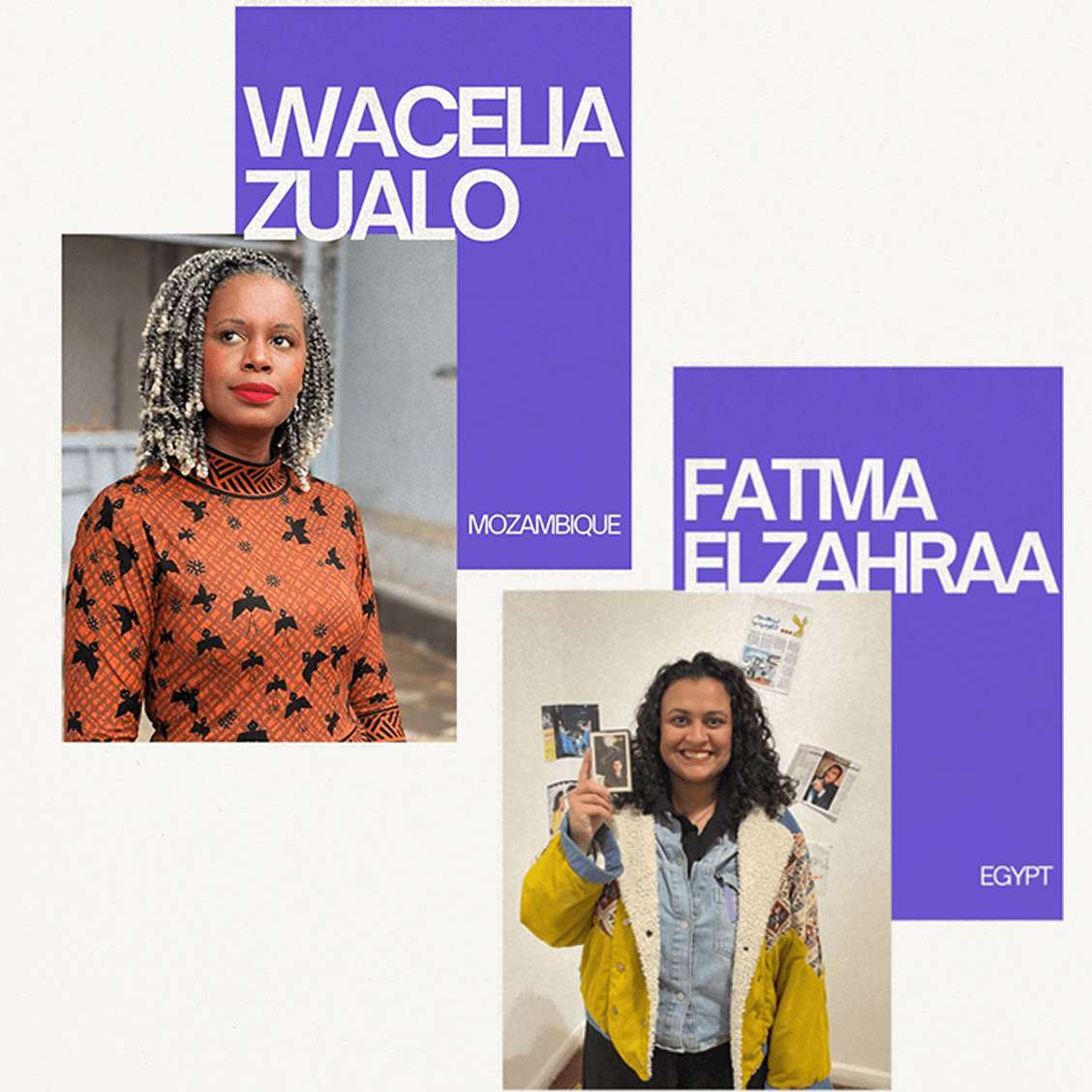
Re-Rooted: Liberating Colonial African Collections Through Indigenous Knowledge Systems has moved from planning into its first phase of implementation. April 2026 marked an important milestone with the selection of two artists, Wacelia Zualo (Mozambique) and Fatma Elzahraa (Egypt), following an open call.
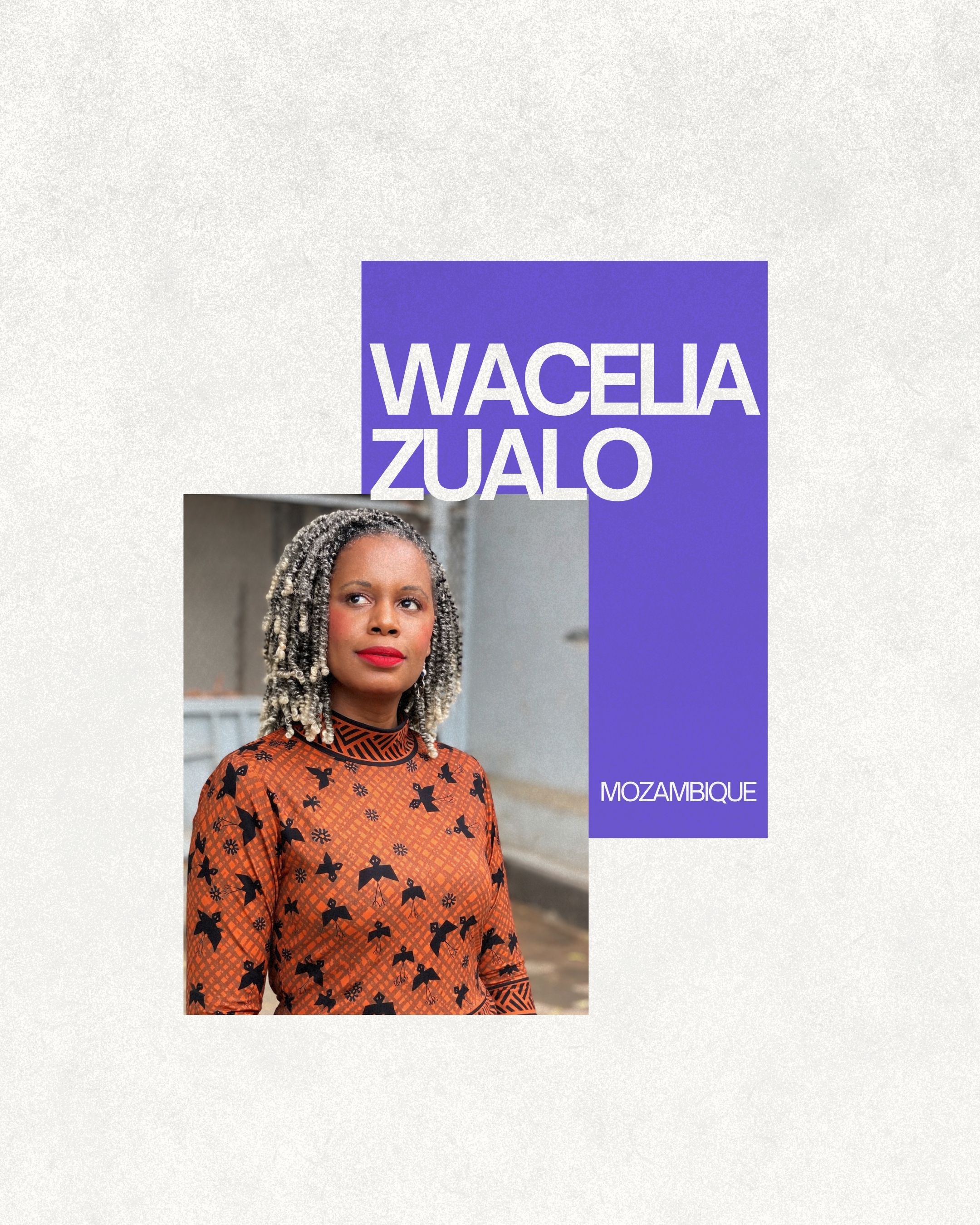
Wacelia Zualo is a textile designer, researcher and therapist whose work brings together material innovation, ancestral knowledge and craftsmanship. She is the founder of Woogui, a brand creating sustainable accessories from locally sourced materials such as banana fibre and recycled plastic. She is also the co-founder of Karingana.
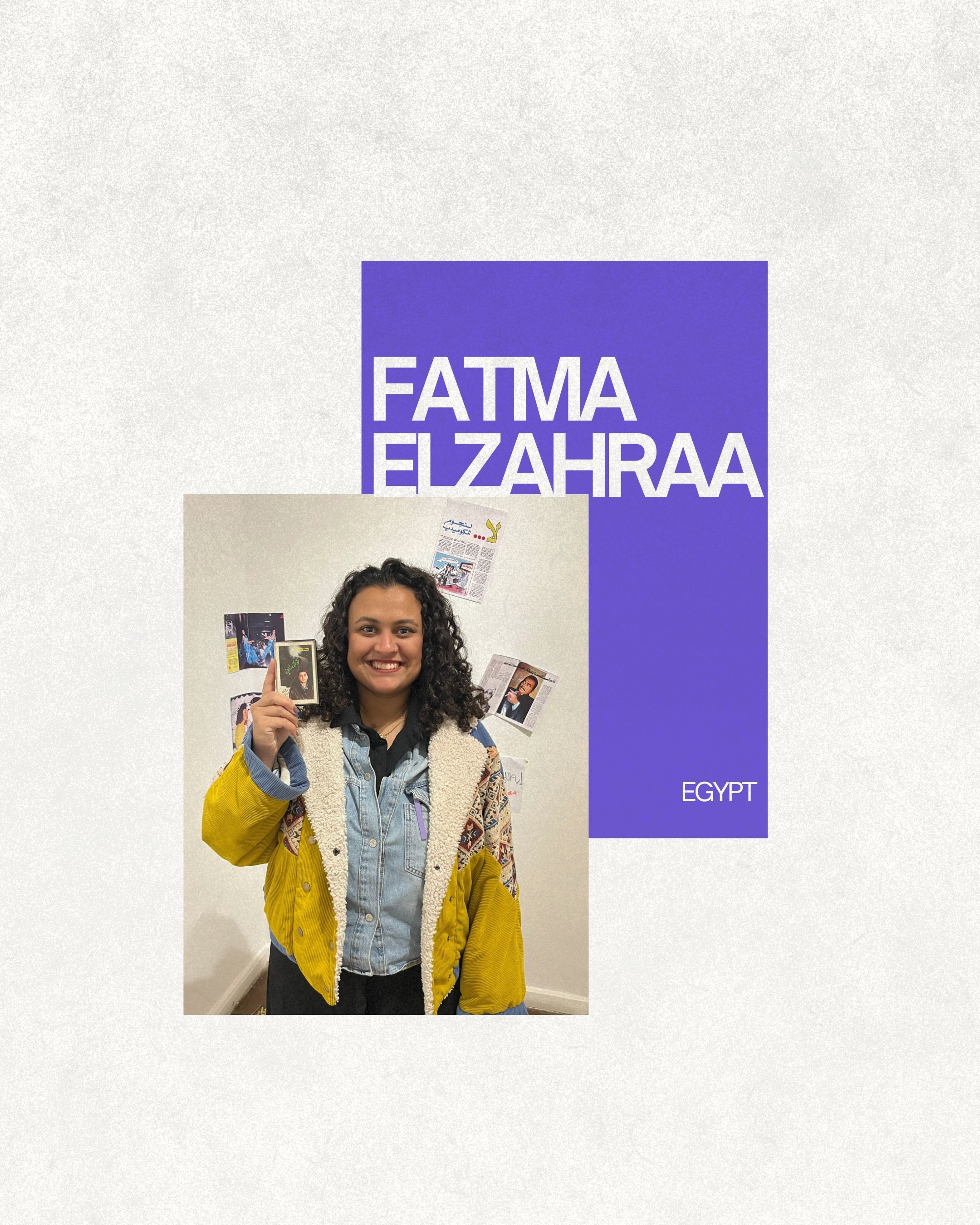
Fatma Elzahraa is a Cairo based contemporary artist working across performance, choreography, writing and curatorial practice. With a background in philosophy, her work is rooted in performance as both method and outcome, through which she develops narrative texts and movement-based pieces.
The artists will work in dialogue with project partners, museum staff, and community knowledge holders. Their residencies will contribute to new interpretive approaches, public-facing outputs and the development of a care-based toolkit for engaging African collections. As we begin working together, this moment also sets the direction for how the project will unfold. As Samba Yonga, Project lead of the Disrupting and Reorienting Restitution (DRR) collective reflects:
“We are delighted to welcome the selected artists into this process. Their work will help us think through how archives can be re-read, re-voiced and re-rooted through Indigenous and community-led methods of knowledge production.”
This perspective continues to guide how we approach both research and collaboration.
The project is grounded in a shared ethical approach shaped by Indigenous knowledge systems of care. This framework informs how decisions are made, particularly around collaboration, authorship and the use of institutional resources. In practice, this has meant developing ways of working that prioritise dialogue, shared responsibility and attentiveness to how knowledge is produced and held.
During April, the team worked across Zambia, the UK, Germany, Tanzania, Egypt and Mozambique to establish the project’s core infrastructure and prepare for the next phase. A digital-first approach has enabled regular exchange and coordination across contexts, while also shaping how research materials and processes are being developed. Particular attention is being given to ensuring that these systems remain responsive to the needs and perspectives of the artists and project partners, rather than replicating existing institutional models. At the same time, work has begun on residency planning and travel coordination. These processes have brought into focus some of the practical challenges of transcontinental collaboration, particularly in relation to mobility and access. The team is approaching these as part of the collaborative process itself, working closely with the artists to ensure that planning is shaped through ongoing dialogue.
As the project moves forward, decision-making around research directions and outputs is being developed collaboratively, with the aim of supporting shared authorship and accountability. This includes creating space for the artists to shape how their work is contextualised and presented. The coming months will build on this foundation through continued exchange and the start of in-person research, as the project begins to take form across its different sites.
The Author
Eno Inyangete
DRR Collective Member
TheMuseumsLab Alumna
The initiative TheMuseumsLab CollabFund is funded by the Kulturstiftung des Bundes (German Federal Cultural Foundation).

Related Articles
Building a Queer Digital Archive: First Steps | CollabFund
The Queer Digital Archive Project moves into its next phase, working with selected contributors, a designer, and museum partners to develop a digital space for queer histories, identities, and cultural narratives across Africa and the African diaspora.
Read more
Community Collaboration and Provenance Research in Tanzania | CollabFund
A video insight by Eliabu Mbonimpa on a field journey through Tanzania retraces the routes of Slovenian collector Stanko Grom. Through conversations with local communities, museum professionals, and artists, the project Tracing Colonialism opens new perspectives on the collection and its contemporary relevance.
Read more
Pangolins and Participation: Turning Museum Visitors into Exhibit Creators | CollabFund
The Co-MammalHub project recently kicked off at the Ditsong National Museum of Natural History in Pretoria, bringing together experts and the public to discuss the world’s most trafficked mammal.
Read more