Co-MammalHub: Artistic Approaches to Natural History Museum Spaces
Co-MammalHub (CMH) is a transcontinental collaboration that fosters critical thinking and public participation on matters concerning endangered animals.
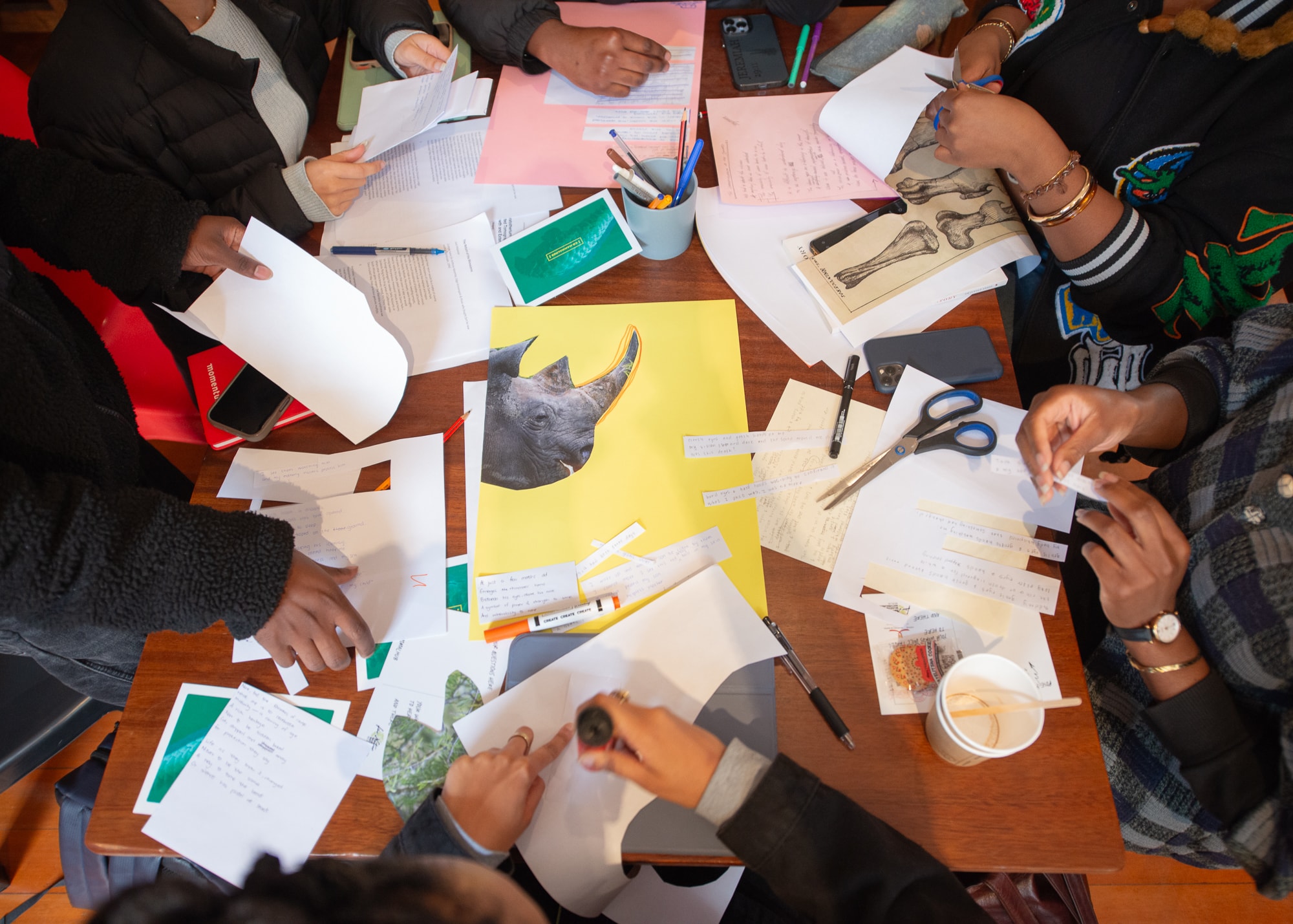
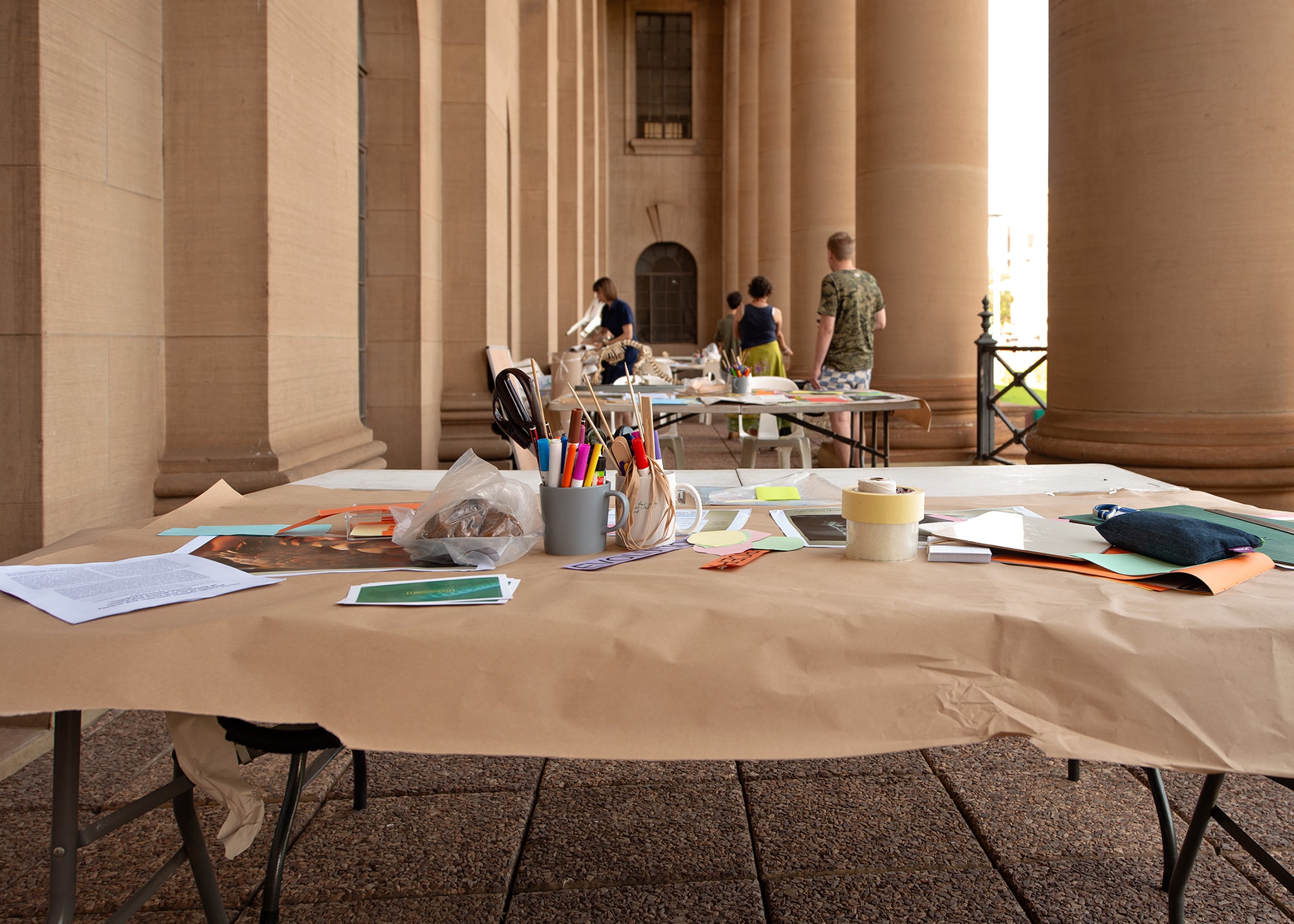
An innovative public engagement approach, supported by current arts research and storytelling, will invigorate three major natural history museums and collections in South Africa, Kenya and Germany as hubs for reimagining human-wildlife interactions. Public discussions and targeted, co-created artistic interventions in exhibition spaces and on museum social media platforms, will stimulate reflective discussions on contemporary wildlife, scientific, and conservation knowledge. CMH will focus on two critically endangered species, rhinoceros and pangolin, as nodes through which to investigate wildlife issues such as poaching, illegal trade, and the sixth mass extinction. This will facilitate critical thinking on animal objectification, colonial narratives, cultured nature, the role of indigenous conservation epistemologies, green colonialism and human versus animal rights. In a comparative approach, the experiences and outcomes in all three museums will be brought together and evaluated to reflect different expectations and approaches from diverse audiences and partners, and enable mutual learning.
Project Team
Alumni
Dr. Annie Antonites | Project lead, coordinator, researcher and facilitator
Anita Hermannstädter | Research and communication with museums/ contributors
Lydia Nafula | Researcher, curator and facilitator
Cooperation Partners
Brandon Kilbourne | Conductor of poetry workshops and facilitator
Dr. Nicola Grobler | Artist-researcher, facilitator and producer of art installation
Wycliffe Oloo Omondi | Researcher, curator and facilitator
Partner Museums and Involved Institutions
Ditsong National Museum of Natural History | Pretoria, South Africa
Nairobi National Museum | Nairobi, Kenya
Museum für Naturkunde Berlin | Berlin, Germany
University of Pretoria | Pretoria, South Africa
From Connection to Collaboration
Co-MammalHub was initiated by the Pretoria team to counter the stagnation of displays and public disconnect at the Ditsong National Museum of Natural History. An art-science method, focused on rhinos and pangolins as engagement nodes, was developed to shape the museum into a responsive entity that can engage diverse publics in reflective participation and active citizenry. We realised connecting points with the Centre for Humanities of Nature at the Museum für Naturkunde (MfN) Berlin, who hosted successful artistic interventions and related projects. From there we approached a former MfN scientist and poet to incorporate poetry as an artistic means to reflect upon humanity’s ties to the natural world. Connecting rhinos and pangolins to the performative arts in African traditional knowledge and storytelling led to the collaboration with and the Nairobi team. With our participation in the CollabFund initiative, we intend to remake natural history museums as spaces that connect the public to nature, conservation, and research networks, to provide locally relevant information and engage in collaborative knowledge production. The CMH collaboration, involving TheMuseumsLab alumni, participants and partner museums, repositions natural history museums as responsive entities that can engage diverse publics in reflective participation and co-creation of knowledge dissemination. Themes such as decolonising museums, deconstructing issues of green colonialism, human versus animal rights, and acknowledging indigenous conservation as well as ecological knowledge epistemologies are all themes that TheMuseumsLab programme has identified as important for transforming museum and heritage entities - aspects that we believe CMH is well positioned to address.
Updates and Highlights
Building Emotional Connections with Rhinos Through Poetry | CollabFund
A TheMuseumsLab CollabFund project using science, poetry, and co-creation to explore rhino conservation and human–animal relationships.
Young Voices Speak Up for Pangolins and Rhinos | CollabFund
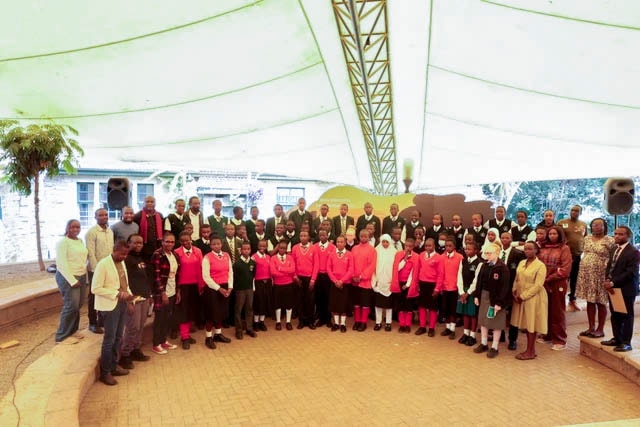
Co-MammalHub brought learners to Nairobi National Museum for a poetry competition exploring pangolin and rhino conservation through creative expression.