Beyond Museums: A Story of Trust, Stories, and Shared Stewardship
There is a saying that every journey changes us in some way. Sometimes the change is obvious, and sometimes it quietly grows until we return home and realize we are looking at the world through a different lens.
When I boarded my flight to Stockholm on 21 June 2026, I knew exactly why I was travelling. I was joining TheMuseumsLab European Residency to exchange professional experiences, explore new museum practices, and deepen my understanding of community engagement, digital heritage, and shared stewardship. That is exactly what happened.
The Residency delivered exactly what it promised: inspiring workshops, thought-provoking discussions, museum visits, and opportunities to exchange professional experiences.
What surprised me was that the learning never stopped when the sessions ended. Some of the most meaningful conversations continued over shared meals, during walks between museums, on the ferry, and in the quiet moments between one activity and the next.
This is the story of those moments. Looking back, I realise that the first chapter of this Residency began before I stepped into my first museum in Stockholm. It began at the airport, with a simple act of kindness that set the tone for everything that followed.
Dr. Peter Mc Elhinney was waiting for Faye Belsey and me with the kind of smile that immediately makes a foreign place feel less foreign. There was no rush, no formal introductions, only genuine kindness. Before taking us to our accommodation, he walked with us to the SL ticket office, helped us buy our transport cards, and patiently explained how the city worked.
Looking back, I realize that this simple moment reflected the philosophy of the entire Residency. It was never just about transportation. It was about making two Fellows feel comfortable enough to begin learning from the very first moment.
By the time we reached the hotel, Stockholm no longer felt unfamiliar. It already felt welcoming. The following morning, another lesson began before the workshops even started.
Dr. Peter introduced Faye and me, not simply to museum staff, but to people who would soon become colleagues and friends. Every conversation was filled with curiosity, generosity, and openness. No one made us feel like visitors standing at the edge of the room. Instead, we were invited into discussions, encouraged to ask questions, and welcomed as part of the team.
Coffee, tea, fresh pastries, and warm conversations welcomed us before the first presentation even began. It was a simple beginning, yet it reflected the atmosphere of the entire Residency. Before introducing projects or discussing museum collections, we introduced ourselves.
Around that table were museum professionals, directors, curators, technicians, researchers, marketing, and others from different backgrounds. Although we came from different countries, we all shared one thing in common: a desire to learn from one another.
That first gathering quickly turned into our introduction to the RJ Project, the collaborative research initiative that would accompany us throughout the Residency. Rather than beginning with museum objects, the discussion began with people. With relationships. With the stories that connect communities to their heritage.
One concept immediately captured my attention. The idea that heritage is not only about preserving collections, but also about acknowledging the many voices connected to them.
One of the quotations that remained with me throughout the week was:
"Knowledge carried by people is just as valuable as knowledge preserved in archives."
This simple sentence challenged one of the traditional assumptions many museums have held for decades. Objects can survive for centuries. But meanings survive only when communities continue to share them.
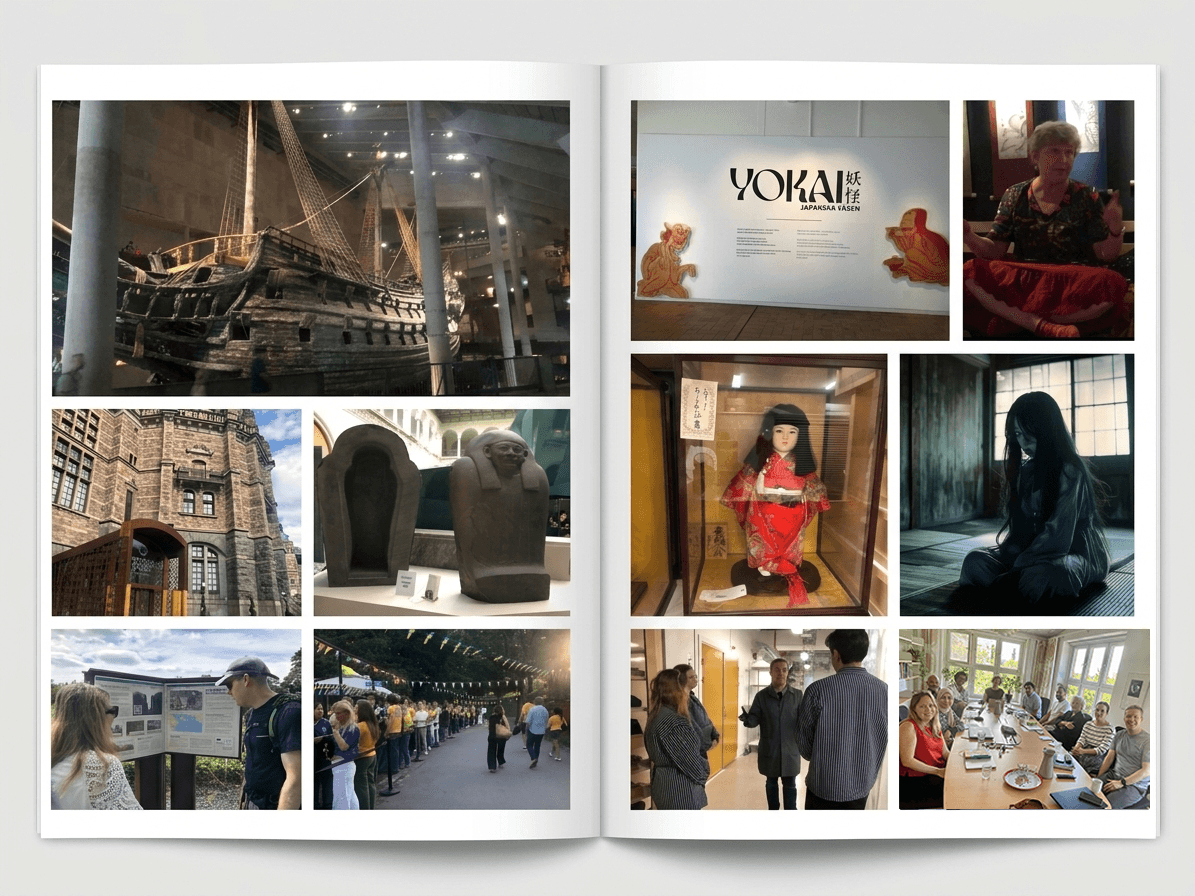
Dr. Peter invited us to visit our first exhibition at Etnografiska Museet. Its name was YOKAI.
At first, I expected an exhibition about Japanese mythical creatures. Instead, I found an exhibition about people, about fear, about imagination, and about the stories communities create to explain what they cannot see or understand.
Walking through the exhibition, I realised that every Yokai represented something larger than itself: a belief, A memory, and a warning. Cultural explanation of the unknown. One idea stayed with me throughout the visit: Stories themselves are heritage.
Long before they are written down, they travel from one generation to another, carrying memories, values, and identities. Standing there, I could not help asking myself:
How many untold stories still surround the collections in our own museums?
After our discussions on the RJ Project and our visit to the YOKAI exhibition, we gathered once again, this time around the lunch table. As the week unfolded, I came to realise that these shared meals were never simply breaks between activities. They were a natural extension of the conversations that had begun in the museum. Dr. Peter often reminded us that "sharing food shows respect and builds trust." It was a simple idea, yet one that reflected the spirit of the entire Residency. I immediately connected with it, as it resonates deeply with our culture in Egypt, where sharing a meal is one of the strongest expressions of hospitality, respect, and belonging. Many meaningful conversations began around that table, making every lunch and dinner as valuable as the workshops themselves.
That afternoon, Faye and I introduced ourselves through short presentations about our professional journeys, our museums, and the work we do every day. I shared my role at the Egyptian Museum in Cairo, the responsibilities I undertake as a curator, my research interests, and the diverse museum projects I have the privilege to contribute to. Listening to Faye's presentation was equally inspiring. Although we work in different institutions and cultural contexts, our conversation revealed how many professional values and aspirations we shared, particularly our commitment to making museums more engaging, relevant, and connected to the communities they serve.
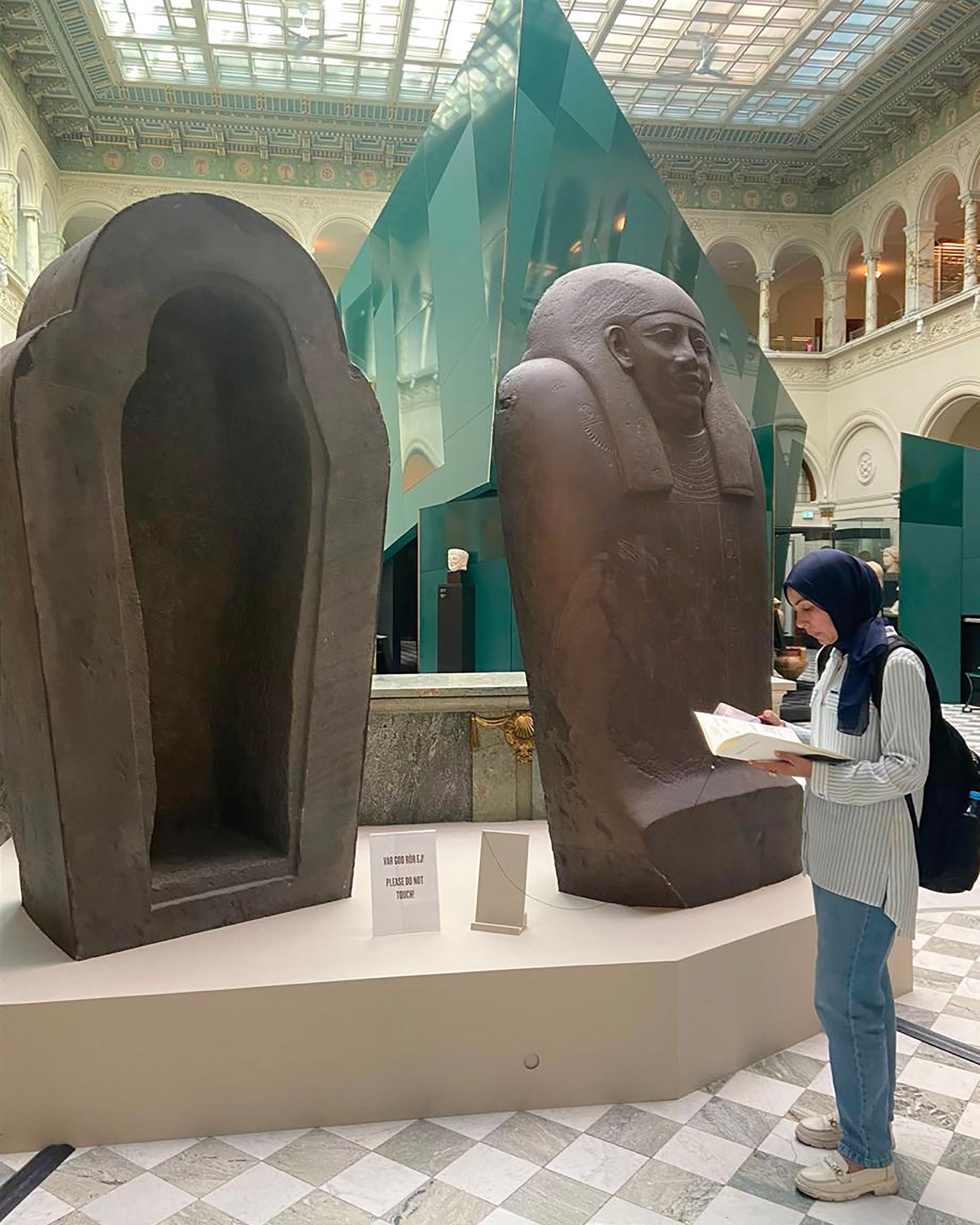
The following morning, we visited Medelhavsmuseet (The Museum of Mediterranean and Near Eastern Antiquities), where one ancient Egyptian coffin introduced us to one of the Residency's most moving interpretations. Through Between Us, Only Rupture, created by Sara Salama, Taperet's story was no longer told by a curator. Instead, the family spoke for themselves. A mother searched for her son. A son longed for his mother. A family, fragmented as their objects had become. The project was not simply about a dispersed collection. It was about the fragmentation of relationships, archaeological context, memory, and belonging. Rather than asking only where the objects are today, it asked a far more human question: What happens when a family's story is divided across museums?
One sentence remained with me: "Between us, only Rupture."
It reminded me that interpretation has the power to reconnect stories, even when objects remain physically apart. As Sara beautifully demonstrated, the project did not restore the coffin; it restored the relationships that had been broken, shifting the conversation from legal ownership to human belonging.
Our journey continued at Östasiatiska Museet, where we explored how museum narratives can be created with communities rather than for them. The exhibition was developed over more than years through collaboration with artists, researchers, and community members, reflecting multiple perspectives instead of a single institutional voice.
Two questions defined the entire approach:
"What should we say?"
"What should we not say?"
These simple questions challenged the traditional authority of museums, replacing one-way interpretation with dialogue, trust, and shared responsibility. We also learned that not everyone wishes to participate, and respecting that choice is equally important.
The museum extended this philosophy beyond its collections by embracing living culture through activities such as cooking, dance, yoga, meditation, children's outreach, and community events. It was a powerful reminder that museums are not only places where heritage is preserved, but also spaces where culture continues to be practiced, shared, and reinterpreted.
One of the most memorable days of the Residency took us beyond the museum itself. As we travelled together by ferry to one of Stockholm's islands, the conversations naturally shifted from exhibitions to the wider relationship between museums, landscapes, and communities. Learning was no longer confined to meeting rooms or gallery spaces. It happened while walking through nature, exchanging ideas, and reflecting on how cultural heritage is deeply connected to the places and people who shape it.
That day reminded me that museums are only one part of a much larger cultural landscape. Heritage continues to live in communities, traditions, and everyday experiences. Sometimes, the most meaningful discussions happen not in front of an object, but while sharing the journey between places.
By the following morning, our focus shifted from museum narratives to the work behind the collections. It was a reminder that every object on display is supported by years of research, conservation, and collaboration that visitors rarely have the chance to see.
The day began behind the scenes, where we observed a Restoration researcher carefully taking a tiny textile sample for scientific analysis. It was a simple procedure, yet it opened a much broader discussion about conservation, research, and the responsibility museums carry when studying collections.
Throughout the morning, one message became increasingly clear: preserving heritage is not only about protecting original materials, but also about understanding the knowledge, traditions, and cultural values connected to them. As one discussion reminded us:
"We are taught that we have to preserve the original material."
Yet different communities may value continuity of tradition as much as the object itself, challenging us to rethink what conservation truly means.
The afternoon introduced us to the practical meaning of Shared Stewardship. Rather than defining it as a theory, Dr. Peter explained it by drawing on a project from his previous work at the Smithsonian's National Museum of the American Indian. Dr. Peter illustrated what Shared Stewardship looks like in practice. He shared the story of a ceremonial mask that had long been displayed according to museum conservation standards. When members of the source community saw it, however, they simply said:
"We would never show this mask looking like this."
For the museum, preserving the original material had been the priority. For the community, the hair was not a missing decorative element; it was an essential part of the mask's identity and living cultural meaning. Listening to those voices changed the museum's approach. The original hair was carefully preserved, while an artist from the community created new hair so the mask could be displayed in a way that respected both its physical integrity and its cultural significance.
At that moment, Shared Stewardship became more than a concept. It showed how museums and communities can make decisions together. It was no longer the museum speaking for the community. It was the museum working with the community to decide how its heritage should be cared for and represented.
Some friendships are built through long conversations. Others are built through shared adventures.
Throughout the Residency, Faye and I discovered that every journey across Stockholm became part of our story. We shared meals, exchanged ideas, explored museums together, and somehow turned the city's public transport into our own daily adventure. Searching for the correct metro exit to reach the right bus stop, running to catch a departing bus, and celebrating every successful connection became small moments that strengthened our friendship as much as the workshops themselves.
That afternoon was no different. After catching the bus, we suddenly realised we had only moments to reach the ferry that would take us to the Vasa Museum and Nordiska Museet. Without saying a word, we simply looked at each other and started running, laughing all the way, determined not to miss the boat.
Looking back, I realise those moments were never really about buses or ferries. They were about the friendships that quietly grew between destinations, making every journey just as meaningful as the places we came to visit. Dr. Peter joined us later, and together we explored the rest of the day. As we walked through the city, Stockholm was transformed by another kind of celebration. Streets were filled with Swedish flags, cheerful crowds, and supporters proudly wearing their national colours as they gathered to cheer for Sweden during the FIFA World Cup. The city itself seemed to be telling its own story, one of unity, pride, and shared joy.
Looking back, I realise that these were not simply moments between museum visits. They became lasting memories, the kind of stories we would return to and remember with a smile, proving that the most meaningful journeys are remembered not only for the places we visited, but also for the people who shared them with us.
From shared stewardship, our journey naturally moved into another equally important conversation: how digital technologies can deepen our understanding of heritage without ever replacing the stories it holds. Through examples such as photogrammetry, RTI, and other digital imaging techniques, we discovered that each tool reveals a different layer of information, from documenting an object's precise form to uncovering surface details invisible to the naked eye.
These technologies support conservation, expand research opportunities, and make collections more accessible to both specialists and the public.
Yet the most important lesson was not about the technology itself. It was about its purpose.
"Technology is not the goal. It is a tool."
That simple statement captured the philosophy of digital interpretation. Technology should never become the centre of the visitor's experience. Instead, it should deepen understanding, reveal hidden stories, strengthen research, and create meaningful connections between people and heritage. As someone working with digital interpretation, I left the session with an even stronger conviction that innovation has value only when it serves the story, not when it competes with it.
That afternoon, the conversation about storytelling moved beyond museum galleries to the Storytelling Festival at Etnografiska Museet, one of the moments I had been looking forward to the most.
Each storyteller transformed a simple space into an entire world. Some stories carried laughter; others reflected identity, memory, displacement, and resilience. Watching those performances reminded me that before museums collected objects, humanity collected stories. Long before catalogues, labels, or technology existed, stories were already preserving memory, knowledge, and identity.
Looking back, I realise that every Residency eventually comes to an end, but its impact does not. We all return home carrying something different, not only new knowledge or professional experience, but also friendships, conversations, and memories that continue to shape us long after the journey is over. As museum professionals, we also travel as ambassadors of our countries. Every conversation, every act of kindness, every shared meal, and every story we exchange becomes part of the image we leave behind. We carry our cultures with us, and in return, we bring home new perspectives, new ideas, and memories that become stories we will share with our families, colleagues, and future generations.
Perhaps that was the greatest lesson I brought back from Stockholm. Museums preserve objects. Research helps us understand them. Digital technologies reveal new perspectives. Stories give them meaning, and shared stewardship reminds us that heritage is never created alone; it is built through listening, trust, and relationships.
By the end of the Residency, I realised that every workshop, every museum visit, every shared meal, and every conversation had been quietly leading us to the same understanding: museums may care for collections, but it is people who give them life.
The Author
Dr. Samar El Khamisy
Curator and Archaeologist
Egyptian Museum – Ministry of Tourism & Antiquities
TheMuseumsLab Fellow 2026
Related Articles
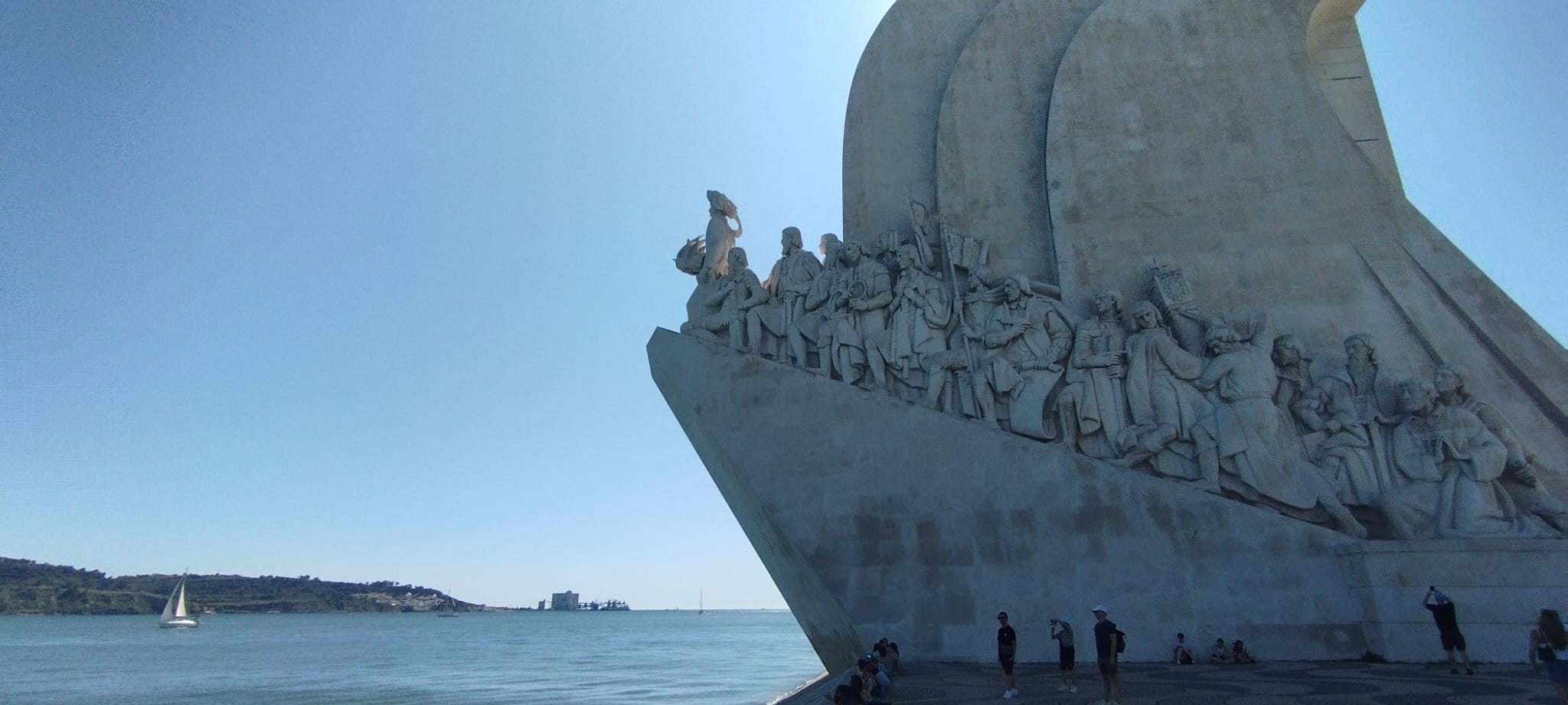
Listening to Lisbon: Reflections from a Museum Residency by Kacper Dziekan
In June 2025, Lisbon became both setting and guide during a short residency connected to the Museum of Lisbon. This article offers a travel-diary glimpse into that week: a personal sequence of places, encounters, and moments shaped by curiosity, movement, and the experience of seeing Lisbon from within its museum.
Read more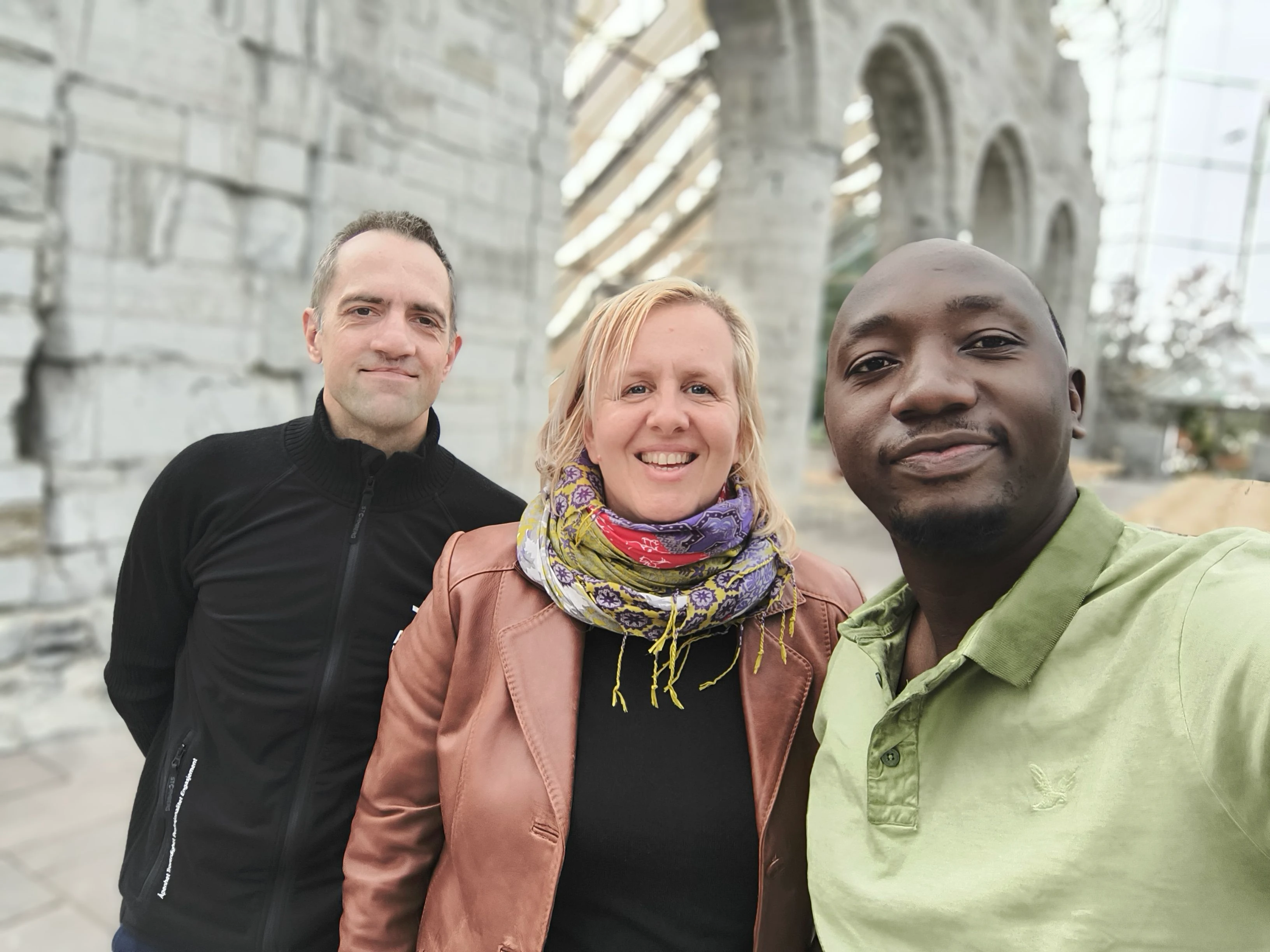
Residency Insights: Connecting Norway, Hungary and Uganda
Follow the experience of two TheMuseumsLab Fellows during their Residency at the Glomdal Museum in Norway, captured in a joint reflection with their host.
Read more