Listening to Lisbon: Reflections from a Museum Residency by Kacper Dziekan
Kacper Dziekan (Alum)In June 2025, Lisbon became both setting and guide during a short residency connected to the Museum of Lisbon. Moving between its five sites and a few other corners of the city, days unfolded through walks, observations, and unexpected connections. Museums opened onto streets, streets led back to objects, and the city revealed itself in fragments rather than narratives. This post offers a travel-diary glimpse into that week: a personal sequence of places, encounters, and moments shaped by curiosity, movement, and the experience of seeing Lisbon from within its museum.
Listening to Lisbon: Reflections from a Museum Residency by Kacper Dziekan
Every city has its story. Every city is unique in its own way. Lisbon is definitely no exception. The capital of Portugal is extraordinarily rich in history, culture, music, food, and wine. Bustling with activity, colorful and loud, it feels constantly alive. Its iconic tiles make Lisbon instantly recognizable. Yet this culture and history also have a darker side: one shaped by Portuguese colonialism and its long shadow. Some traces of this problematic legacy are clearly visible in public space; others remain hidden beneath the surface. A week-long residency at the Museum of Lisbon offered a rare opportunity to experience these layers side by side.
June is a wonderful time to be in Lisbon. Although the heat can become almost unbearable, the weather is still inviting, and the festive atmosphere makes you feel instantly welcome. June is when the city fills with celebrations for the Festas de Lisboa (Popular Saints Festival). Streets overflow with food, music, and joy — a vibrant expression of local identity and belonging.
Local identity, however, is never fixed. It constantly reproduces itself, taking on new forms and meanings. The Museum of Lisbon embraces this ongoing process as part of its mission, critically engaging with the city’s past and present through its five sites and a wide range of activities: exhibitions, talks, educational programs, and cultural events. The long history of Lisbon is reflected in the museum’s broad scope — from the ancient Roman theatre to the legacy of Saint Anthony, from aristocratic palaces to everyday urban life. The museum even curated a temporary exhibition on eroticism and religiosity in Portuguese confectionery. Different sexualized sweets baked and sold by the nuns - Rather unusual and very compelling!
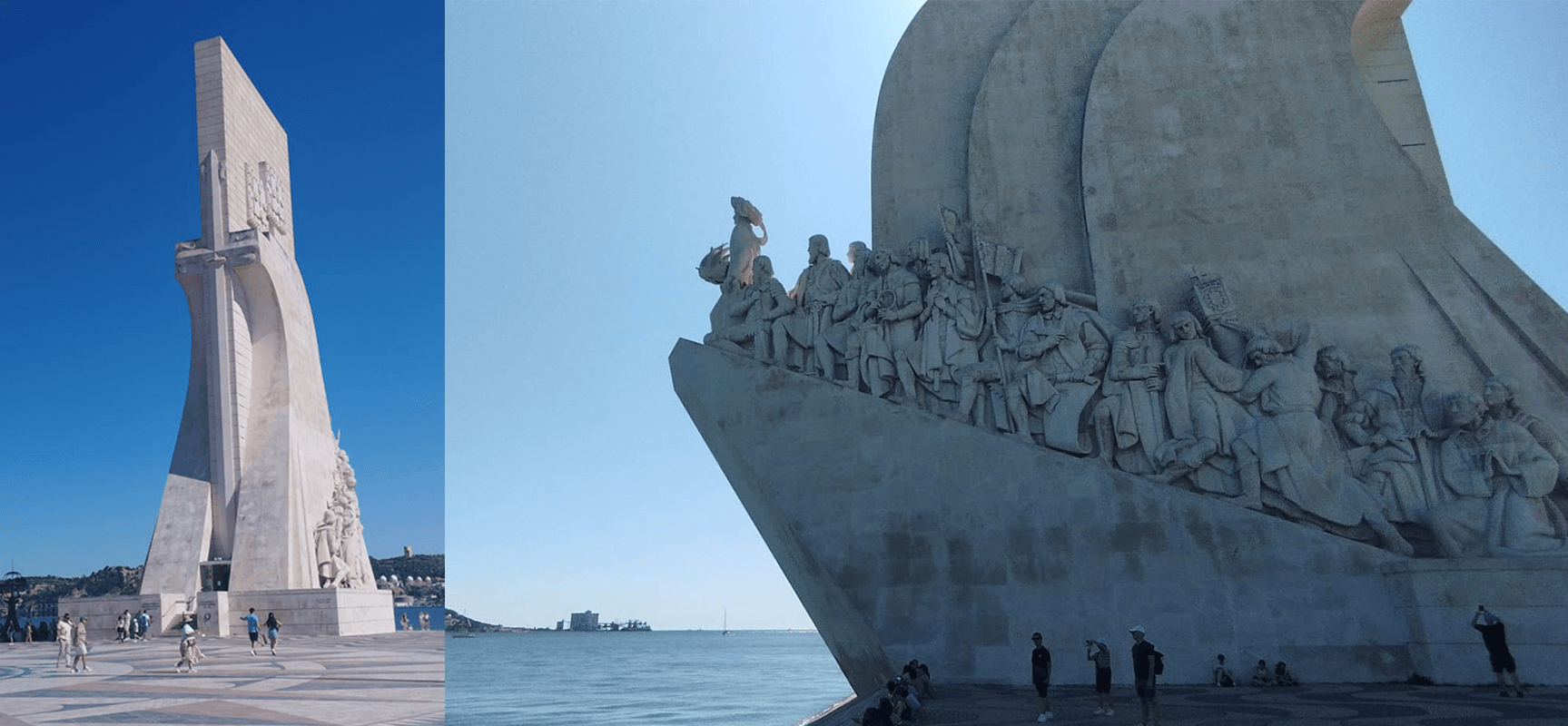
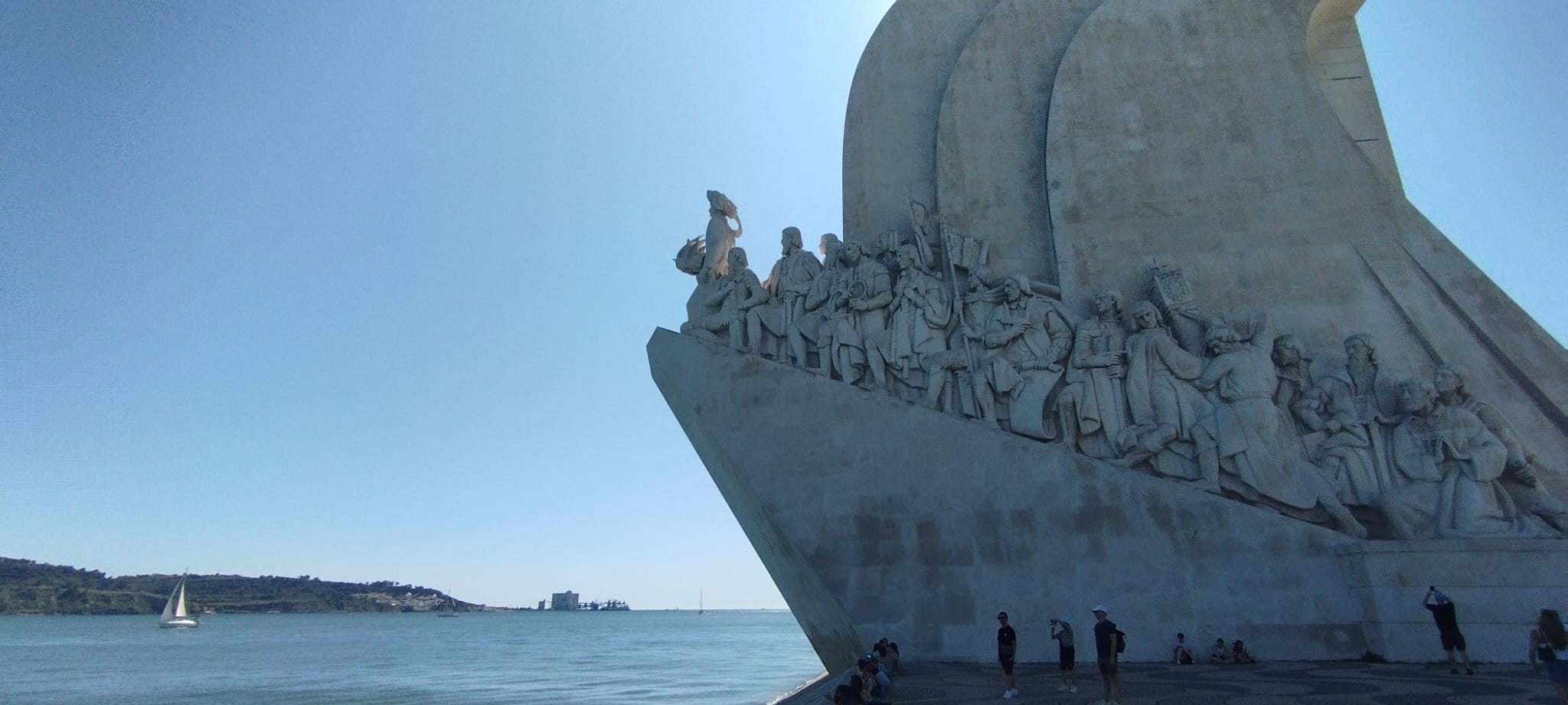
→ Monument to the Discoveries (Padrão dos Descobrimentos)
Together, these sites tell the complex story of a city shaped by the ocean. The sea brought Lisbon — and Portugal — power, wealth, and prestige, but it also fueled colonial ambitions and played a central role in Portugal’s involvement in the transatlantic slave trade. Today, as in decades past, locals and tourists alike admire one of Lisbon’s most prominent landmarks: the Monument of the Discoveries. Commissioned in 1939 by the authoritarian regime of António de Oliveira Salazar, it was designed to celebrate the supposed glory of the explorers and the empire they helped build.
You won’t find many explicit references to slavery in Lisbon. Yet the city, in its current form, would not exist without enslaved people. Who built the grand buildings of the historic center? Where did the immense wealth behind them come from? These questions largely remain unanswered in public space. During my residency, I was fortunate to take part in a walking tour organized by the Museum of Lisbon’s team — one of their regular initiatives aimed at shedding light on overlooked histories and giving voice to those who were silenced for centuries.
Beyond the museum itself, I also visited other cultural and academic institutions in the city, meeting staff and engaging in conversations with their teams. There seems to be a growing awareness within Portugal’s academic and museum sectors of the long-lasting repercussions of colonialism, alongside a genuine willingness to confront the challenges these legacies pose today. The exhibition: Deconstructing Colonialism, Decolonising the Imaginary held in the National Museum of Ethnology serves as a good example.
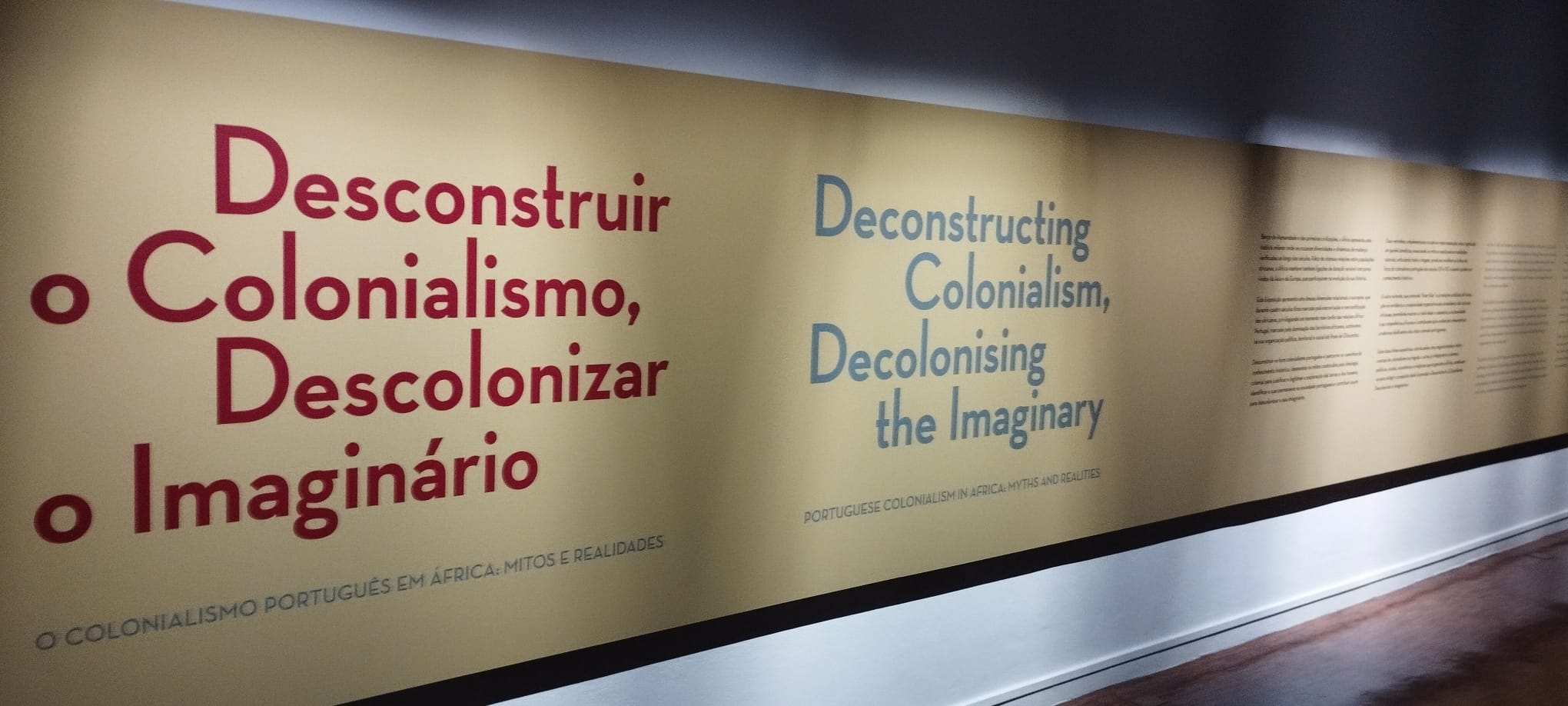
→ Opening gallery of the exhibition: "Deconstructing Colonialism, Decolonising the Imaginary" held in National Museum of Ethnology
Lisbon’s landscape is marked by many such difficult sites and moments. One that I found particularly disturbing emerged during a visit to the Botanical Garden. The day was extraordinarily hot, and the shade provided by the trees felt like a small blessing. Wandering through the garden, enjoying its calm and greenery, offered a much-needed pause from the intensity of my days — both literally and figuratively. That sense of comfort vanished when my guide explained the garden’s darker past. In 1940, it served as one of the sites of the Exhibition of the Portuguese World (Exposição do Mundo Português), one of the infamous so-called “human zoos.” During the late 19th and early 20th centuries, European powers presented people of non-European origin as spectacles, offering their citizens a deeply dehumanizing form of entertainment. In this case, Salazar sought to boast about the supposed greatness of the “Portuguese world,” fully embracing colonial and racist ideology. The fact that this took place in 1940 makes it even more unsettling. While much of the world was engulfed in the horrors of World War II — and my home country of Poland was being devastated by Nazi-German and Soviet occupation — the Portuguese dictator staged this fantasy at the expense of peoples who had already endured centuries of exploitation.
This episode is now being critically re-examined, with a dedicated exhibition in preparation. A temporary exhibition on African Lisbon, curated by the Museum of Lisbon’s team, is also forthcoming. I hope to return and see yet another example of their thoughtful and necessary work.
The Author
Kacper Dziekan
Researcher (postcolonialism, borderlands, memory studies, cultural history) / Project manager (culture, museums, history, non-formal education)
Concordia University (Canada) / Institute of Public Affairs (Poland)
TheMuseumsLab Alumnus 2025
Related Articles
Alumna Pauline Chiripanhura on TheMuseumsLab 2024
Pauline reflects on her experiences at TheMuseumsLab 2024, from visiting heritage sites in Ghana and Wales to engaging with African and European peers on decolonisation, restitution, and sustainable heritage practices.
Read more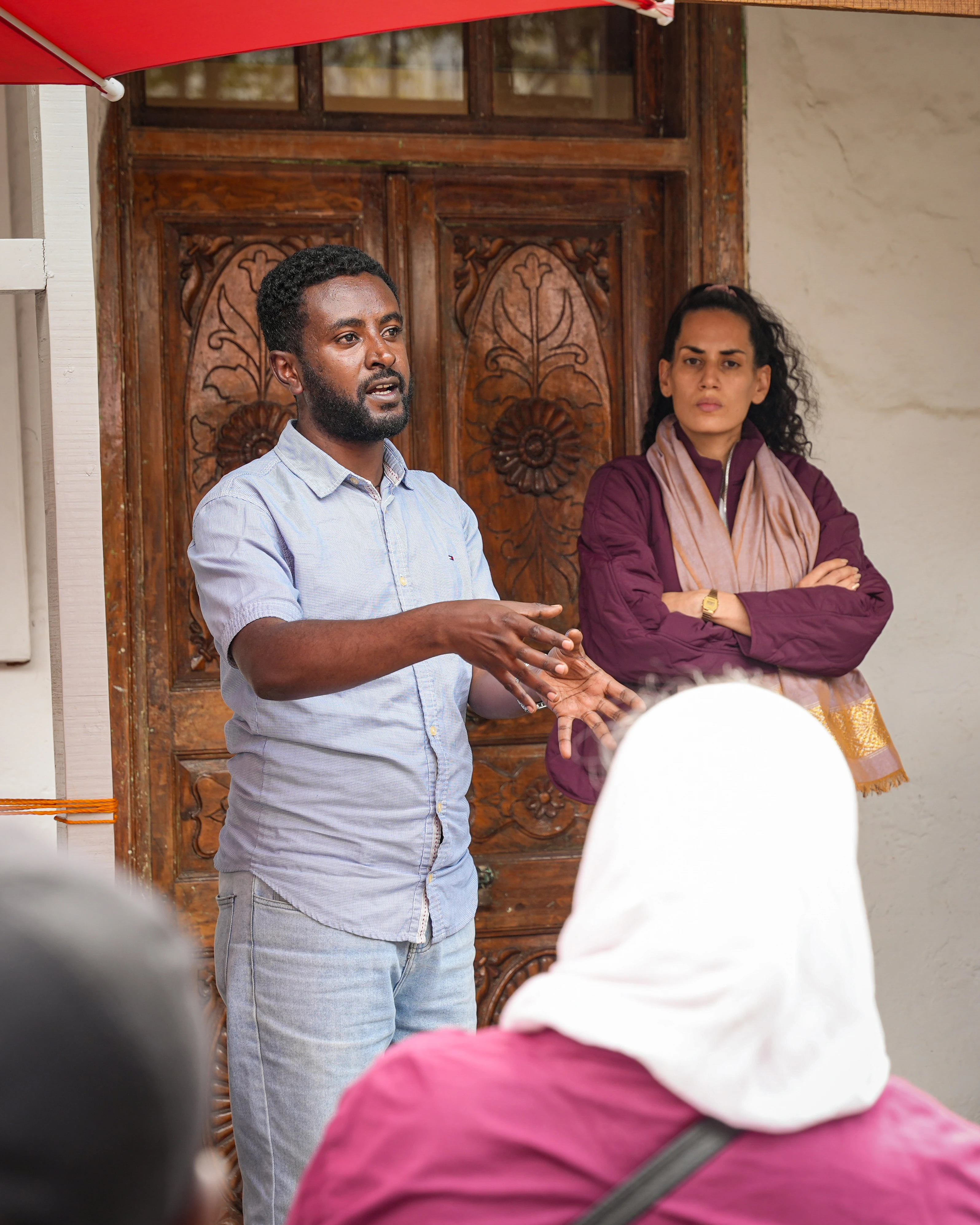
TheMuseumsLab 2025: A Reflection by Co-Curator Abel Assefa
The 2025 programme brought together fellows, experts, institutions from Africa and Europe. Co-curator Abel Assefa reflects on the programme’s highlights, with a special focus on Module 3 in Addis Ababa, where participants visited museums, archives, art spaces, and historic sites, engaging in dialogue on heritage, leadership, and collaboration.
Read more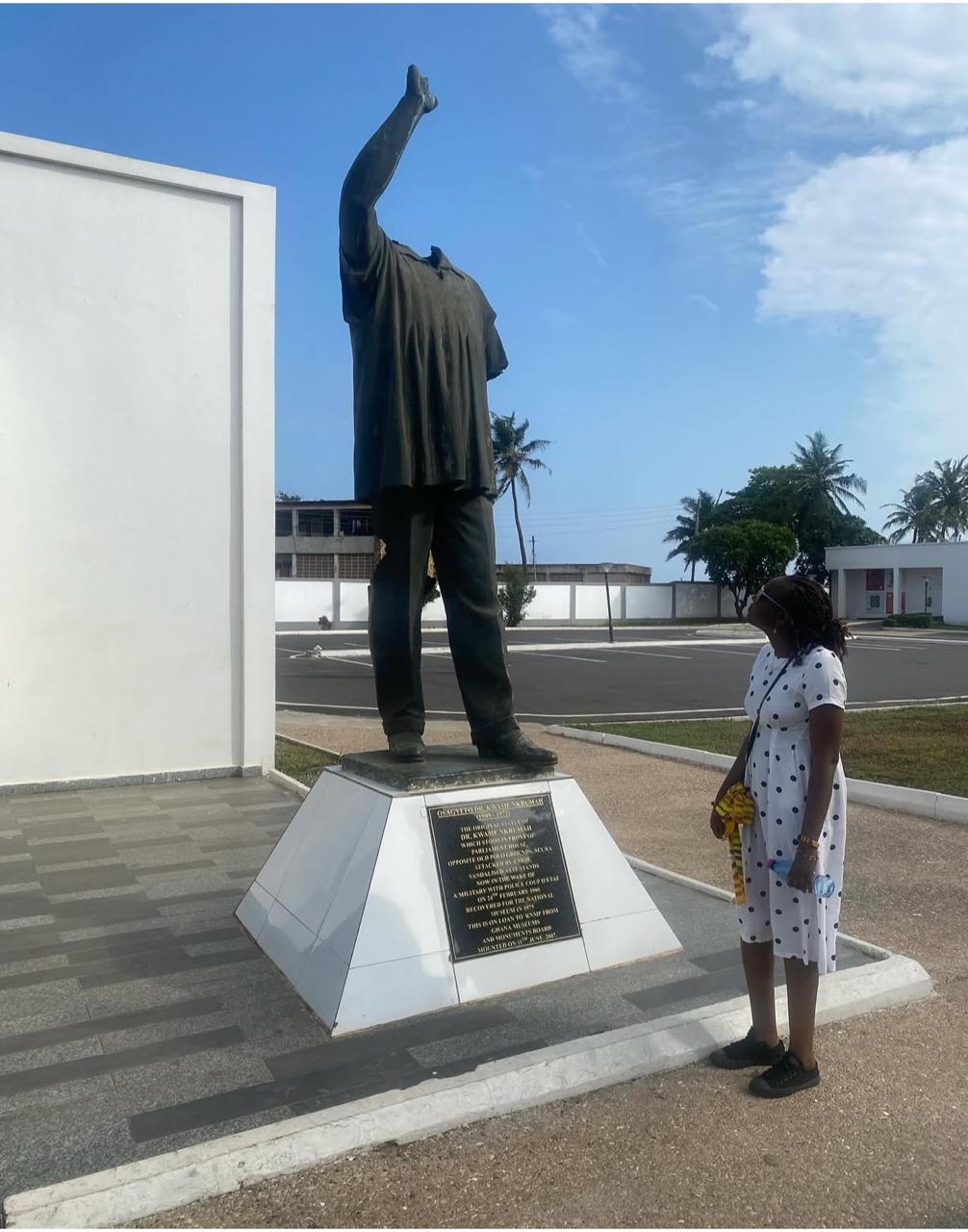
Between Communities, Collections, and Memory: Reflections from TheMuseumsLab 2025 by Monicah Nkina Sairo
A reflection that navigates the 'layered lives' of objects, the necessity of slow, negotiated community co-creation, and the resilience found in living history. It is a story not of finding final answers, but of learning to ask better questions about our shared responsibility to the past and the future of museums globally.
Read more