Between Communities, Collections, and Memory: Reflections from TheMuseumsLab 2025 by Monicah Nkina Sairo
From the "Earth Nest" in Berlin to the dungeons of Elmina Castle, my journey with TheMuseumsLab was a transformative exploration of heritage, power, and the ethics of care. Coming from Kenya, I engaged in critical dialogues across Africa and Europe that challenged traditional curatorial authority. This reflection navigates the "layered lives" of objects, the necessity of slow, negotiated community co-creation, and the resilience found in living history. It is a story not of finding final answers, but of learning to ask better questions about our shared responsibility to the past and the future of museums globally.
Between Communities, Collections, and Memory: Reflections from TheMuseumsLab 2025 by Monicah Nkina Sairo
Participating in TheMuseumsLab was far more than a professional milestone. It was a deeply reflective and transformative journey that reshaped how I understand heritage and my own practice as a researcher. Coming from Kenya, where my work bridges grassroots communities and institutional spaces, the programme offered a rare third space. It allowed me to step outside the familiar rhythms of my daily work and engage in sustained, meaningful dialogue with colleagues from across Africa and Europe.
My experience was marked by intellectual generosity and a shared commitment to critical self-questioning. The Lab created a space where curatorial, academic, community-based, and artistic traditions could meet on equal ground. Rather than offering ready-made answers, the programme encouraged us to sit with discomfort and ask harder questions about power, representation, ethics of care, and our collective responsibility within the museum sector.
Our journey began in Berlin with a profound encounter at the Decolonial Memorial Earth Nest. This bronze nest, suspended above twelve vessels containing soil from different lands, functioned as a powerful provocation. Standing before it, I was compelled to confront questions of extraction and return. Why store the earth? What does it mean to memorialize the ground beneath our feet? The work underscored that for a memorial to truly live, it must function as a community-centered space of memory rather than a silent, static symbol.
These questions followed me into Ghana, where each day expanded my understanding of resilience and lived heritage. At the Ghana Museums and Monuments Board, we met a deeply committed and dynamic team of curators whose energy challenged the idea of museums as dusty repositories of the past. Instead, they revealed museums as vibrant, living spaces where culture continues to evolve. Learning about Ghana’s diverse histories, particularly the legacy of the Asante Kingdom, showed how history here is not simply remembered but actively lived.
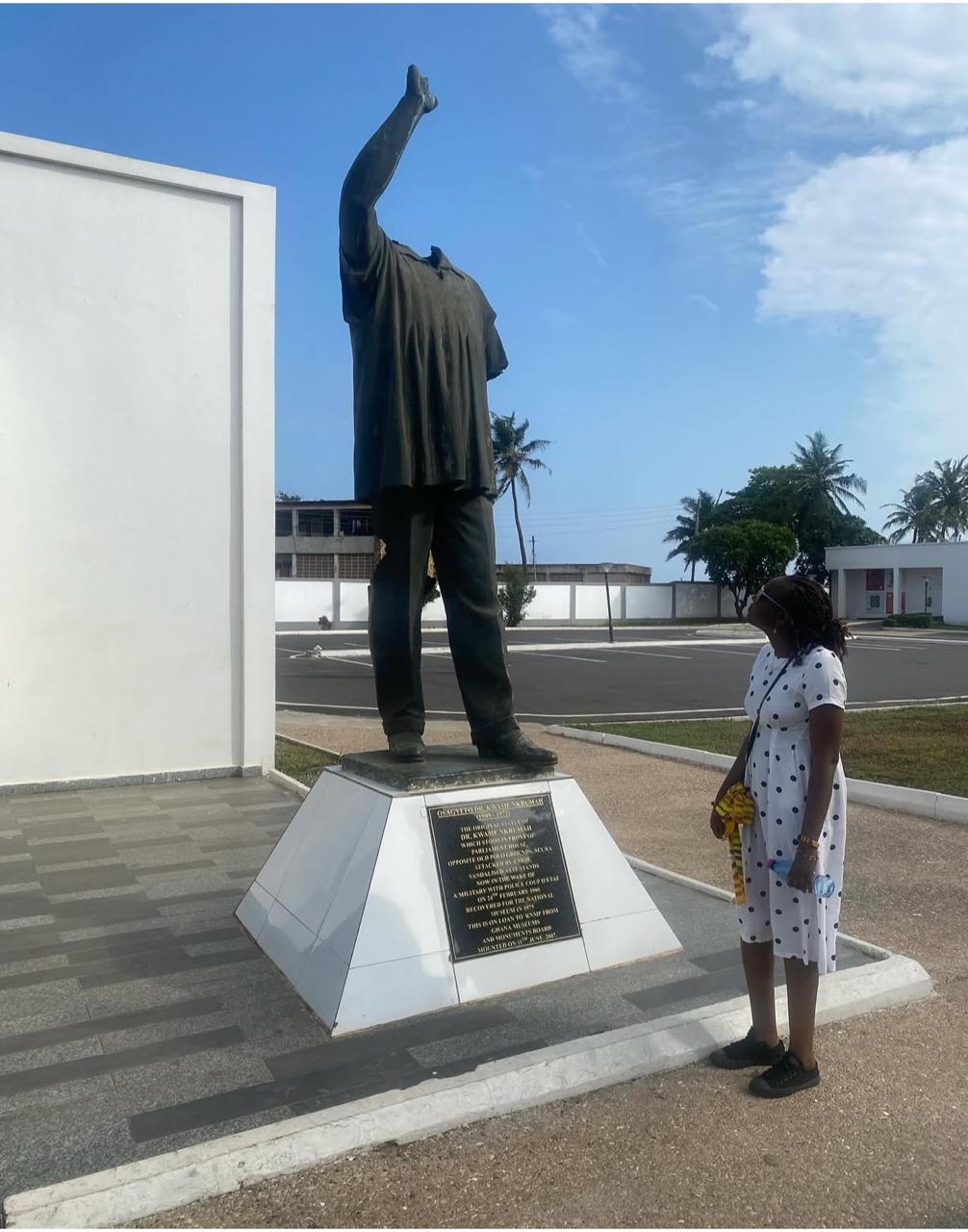
One of the most grounding moments of the residency was our visit to the Kwame Nkrumah Memorial Park. Few figures command such pan-African reverence, yet walking through the memorial offered an intimate glimpse into the man behind the myth. Seeing his personal library and his contested PhD thesis reminded me that even the most monumental leaders are human, shaped by doubt, struggle, and resistance.
→ At the Dr. Kwame Nkrumah Memorial Park in Accra, I stand before the statue of Ghana’s first president during TheMuseumsLab African residency. The statue’s missing head was lost during demonstrations in which protesters looted and demolished the original monument. Today, the headless figure and raised arm stand as a powerful reminder of how political memory is contested, damaged, and reassembled, and how even monumental leaders remain part of ongoing historical struggle.
This process of humanizing history continued at the University of Ghana, where discussions on colonialism and restitution pushed us to think beyond physical objects toward questions of narrative, authority, and institutional structure. An exhibition on Akan Gold Weights and Islamic geometric brass works illustrated this beautifully. These were not merely tools of trade but knowledge-bearing objects that encoded proverbs, social values, and cultural memory into material form.
Nothing prepared me for the emotional weight of Cape Coast and Elmina Castles. Standing in the dungeons and before the Door of No Return, the scale of colonial violence and dehumanization was overwhelming. It was a necessary confrontation and a reminder of our responsibility as heritage practitioners to resist sanitizing painful histories.
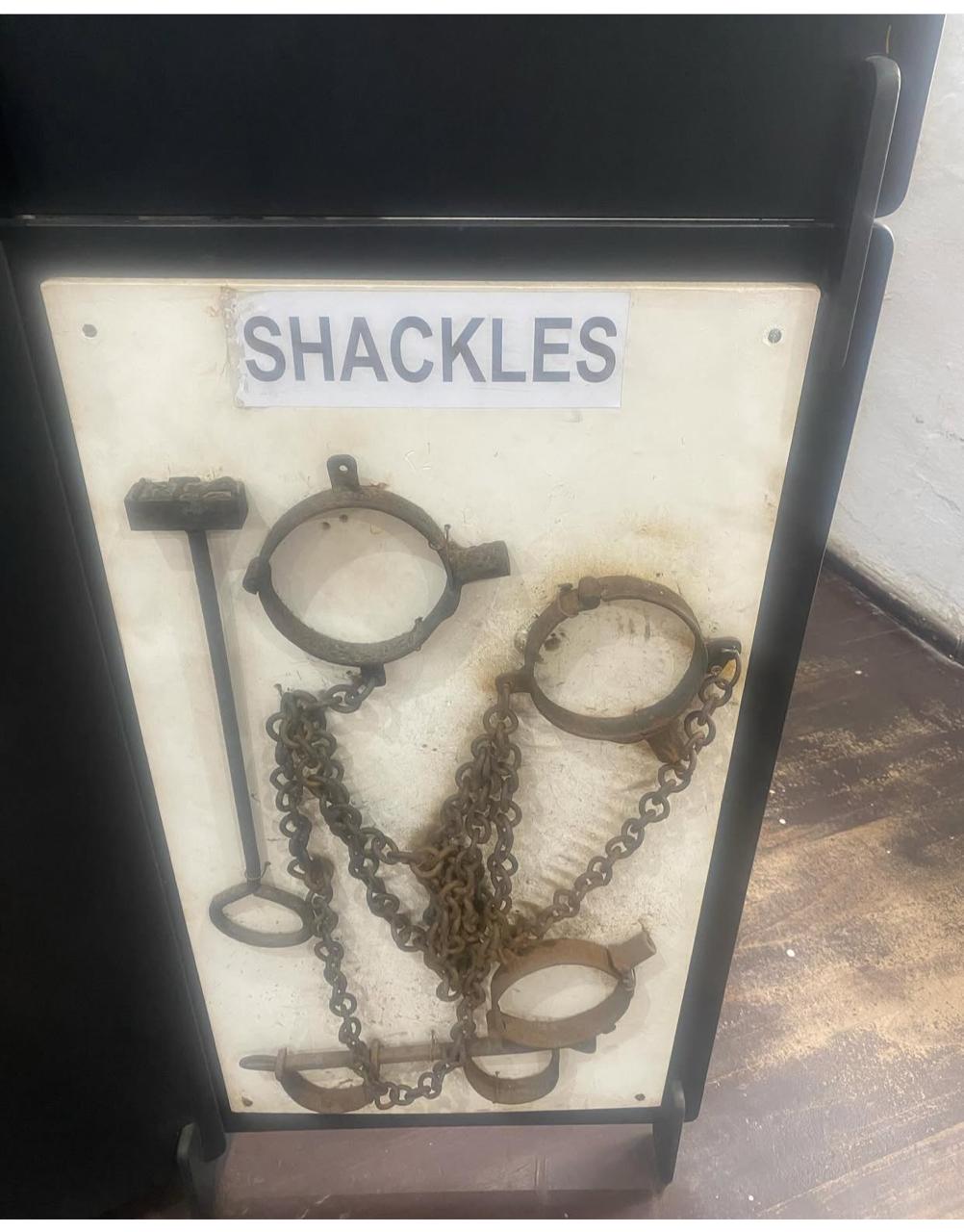
→ Shackles once used to restrain enslaved Africans—material evidence of oppression, violence, and denied freedom.
Yet even within this landscape of trauma, we encountered endurance and life. Beyond the castle walls, the bustling Elmina fish market pulsed with energy, labour, and negotiation, largely driven by women. The contrast between the silence of the dungeons and the vitality of the market was striking. It reaffirmed my belief that heritage does not reside only in monuments, but in the everyday lives of people who continue to live with history.
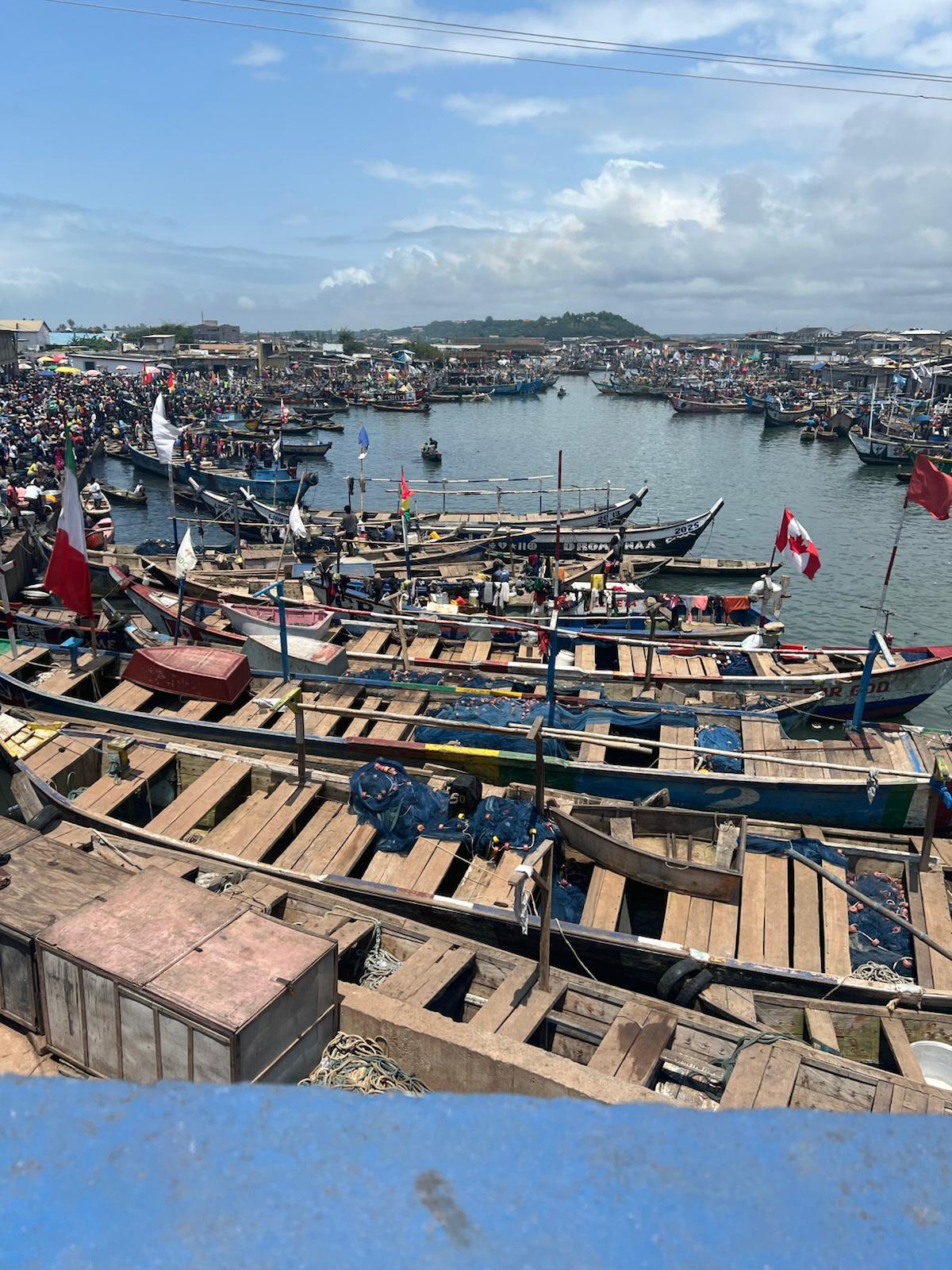
→ A view of the bustling Elmina fish market adjacent to the castle. This image captures the powerful contrast between the historic site of the dungeons and the vibrant, living energy of the local community today.
I am deeply grateful to TheMuseumsLab and the Ghanaian team, especially Belinda, for grounding these experiences in care and storytelling. The Anansi stories we shared reminded us that narrative is how we carry even the most difficult histories.
I return to Kenya with a renewed commitment to participatory and community-centered heritage practice. I am better equipped to advocate for shared authority, a process that is often slow and complex but ultimately more ethical and sustainable.
TheMuseumsLab did not give me final answers. Instead, it offered better questions, stronger companions, and a deeper sense of purpose. It affirmed that questions emerging from African contexts are not peripheral but central to the global future of museums. We walk on paths shaped by those who endured immense hardship, and it is our responsibility to ensure those paths lead toward a more just, thoughtful, and humane future.
The Author
Monicah Nkina Sairo
Research Scientist
National Museums of Kenya
TheMuseumsLab Alumna 2025
Related Articles
Reflections on a Transformative Journey by Alumna Onyinye Nwokeocha
Onyinye reflects on her experience at TheMuseumsLab 2024, visiting museums and heritage sites in Germany, Namibia, and Ghana. Through lectures, field visits, and cross-cultural collaboration, she explores how museums can serve as platforms for storytelling, advocacy, and healing, and how these insights influence her professional practice.
Read more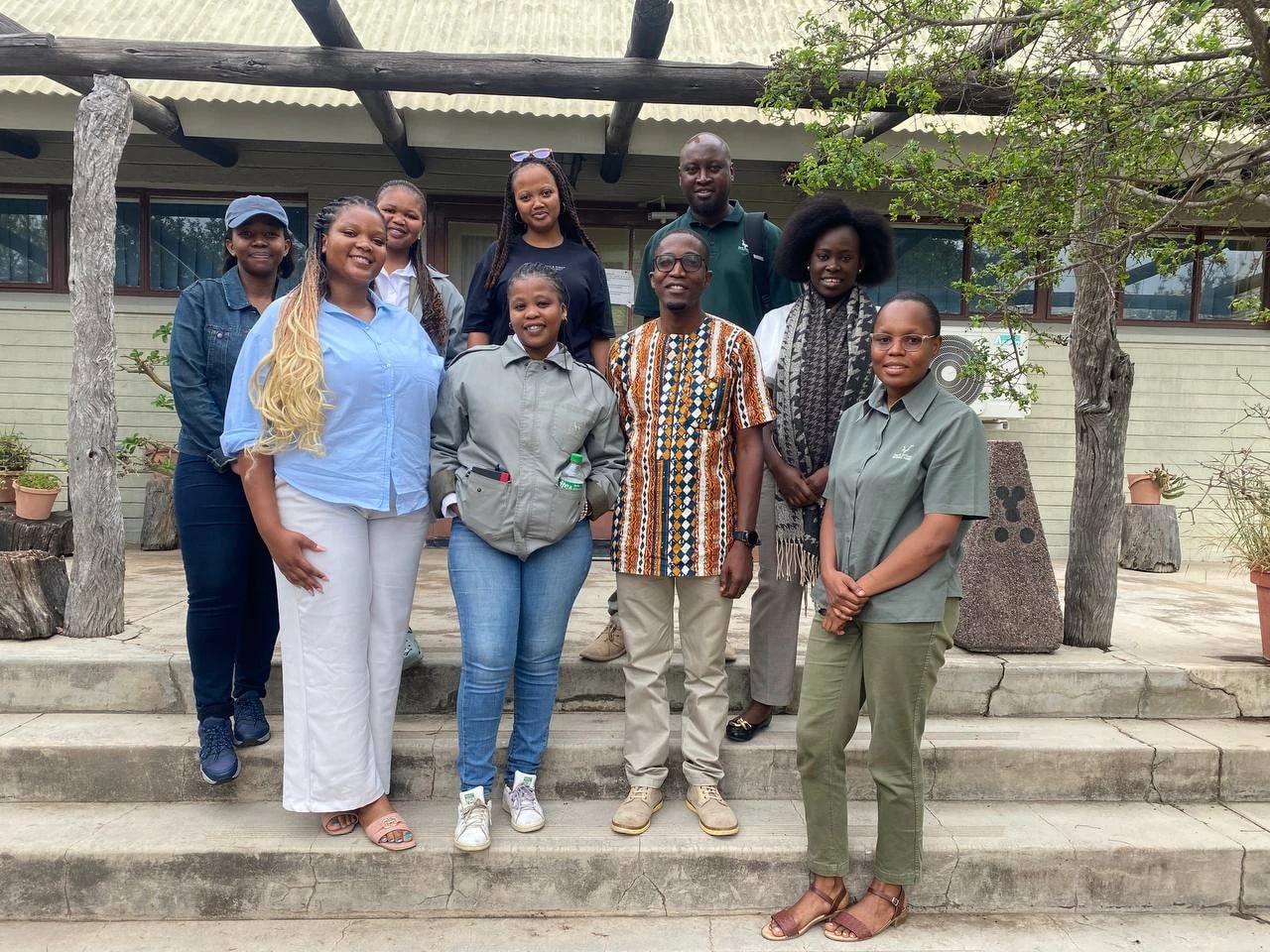
Reflections on TheMuseumsLab 2024 by Alumnus Daniel Kumah
Follow Daniel’s transformative journey through TheMuseumsLab 2024, from Berlin’s Humboldt Forum to South Africa’s Mapungubwe.
Read more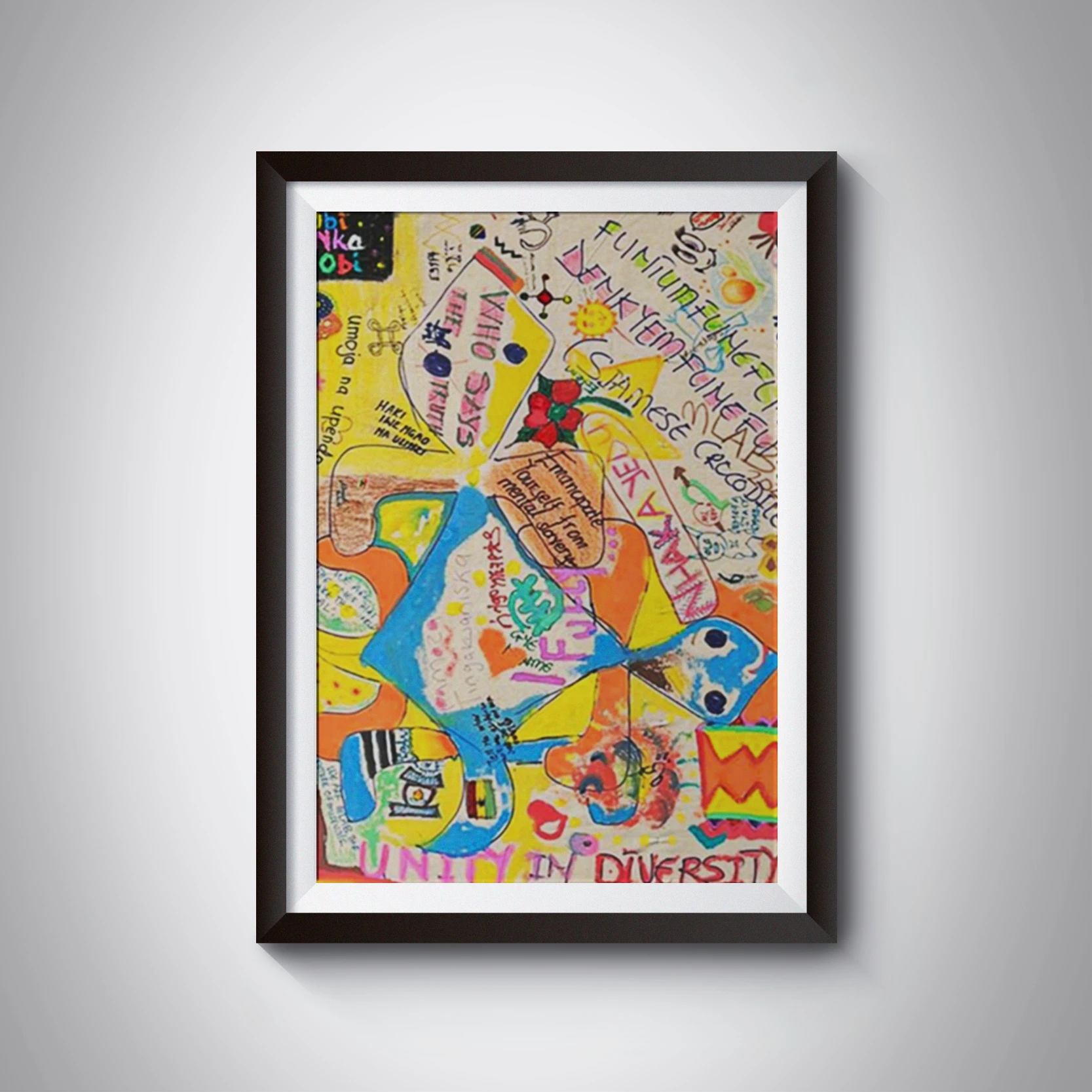
Reimagining Museums: A Journey through Ghana’s Cultural Heart
Hosted by the Ghana Museums and Monuments Board, the final module of TheMuseumsLab 2024 brought Fellows to key heritage sites across Ghana, creating space for exchange on restitution, community engagement, and the future of museum practice. Explore more in this written and video reflection produced by the Ghana Museums and Monuments Board.
Read more