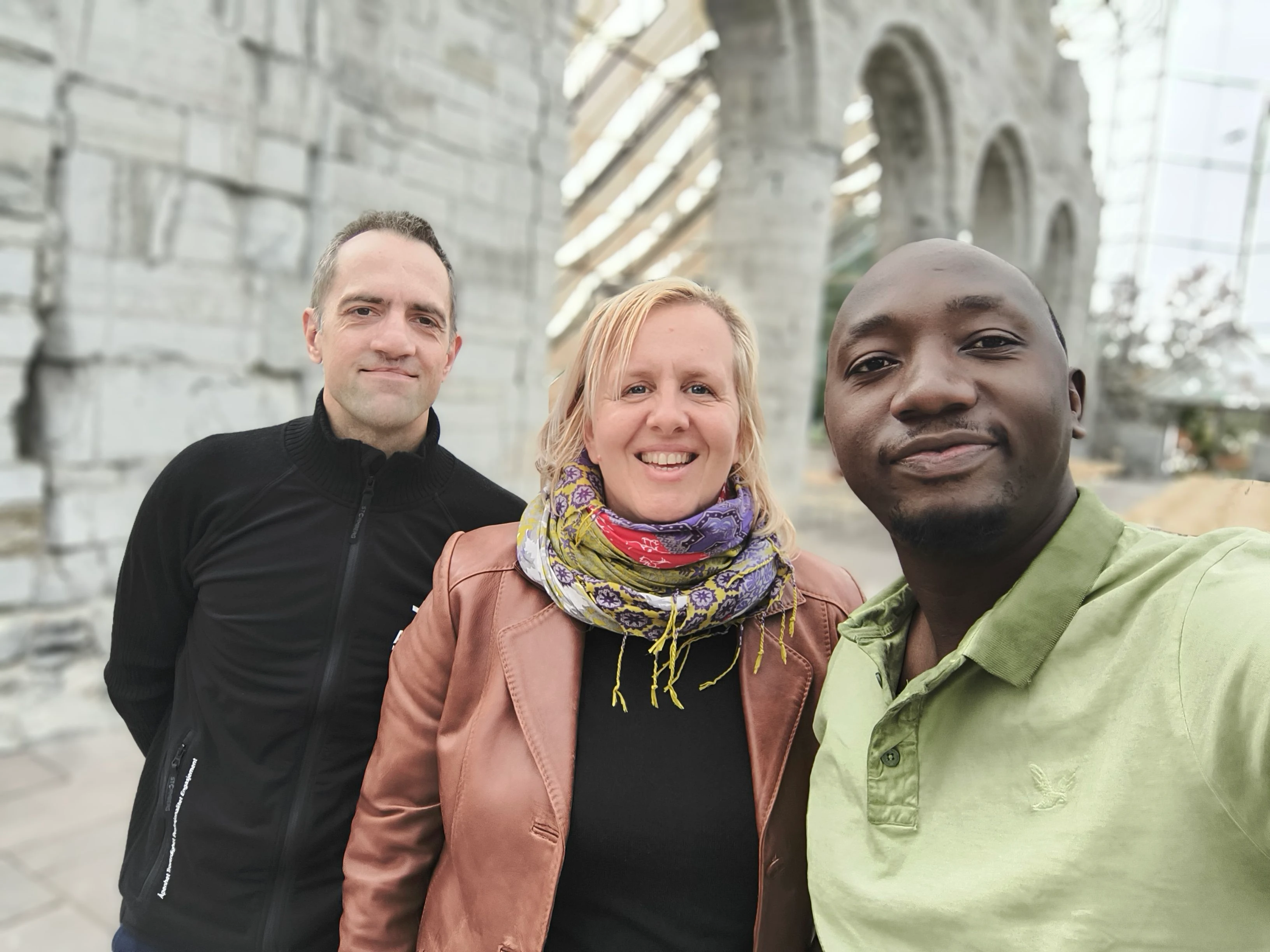
Residency Insights: Connecting Norway, Hungary and Uganda
About the Authors
Annamária Szu, Project Professional Leader, Hungarian Open Air Museum
Aliguma Ahabyona Akiiki, Programme/Communications Coordinator, The Cross-Cultural Foundation of Uganda
Sigurd Solhaug Nielsen, Research Coordinator, The Glomdal museum / Anno Museum, Norway
TheMuseumsLab has brought us together, three professionals from different countries, different types of institutions and different institutional and working cultures. As part of the programme, two fellows, Aliguma from the Cross-Cultural Foundation of Uganda and Annamária (aka Panni) from the Hungarian Open Air Museum, completed a one-week residential experience at the Glomdal Museum in Norway, supported by Sigurd, where they immersed themselves in the country's rich cultural heritage reflected in the museums sector.
Norway's Rich Heritage Experience
After a one week program with the 50 fellows in Berlin, Aliguma and Panni visited various museums, including the Anno Museum, exhibitions at the Glomdal Museum, the Forest Museum, Railway Museum, and the ancient cathedral ruins in Hamar. They interacted with museum and heritage executives exploring the country's diverse cultural landscape and discussing the future museums in the country.
Working together
The residency programme was developed in continuous consultation of the three of us. One of the highlights of the joint programmes was the seminar day, which was based on the common interests of the three of us. This involved several consultations to review the most significant and interesting activities of our work and our organisation, and then to identify common points. We selected a few themes, from which we chose the topic of Engaging communities and outreach as the main leitmotif for the seminar.
The event was not just about the three of us presenting along the theme. Svein Ørsnes from the Namibia Association of Norway presented his decades of work. Thomas Mårud and Kristine Lundsbakken from the Glomdal Museum presented the work of composer and performer Vidar Sandbeck, accompanied by a live music concert. The artists Jassem Hindi and Mia Habib talked about their performances and its experiences in Norway, and presented their latest book. And Maja Musum from Randsfjordmuseet outlined the possibilities and criticisms of humorous hacks in open-air museums.
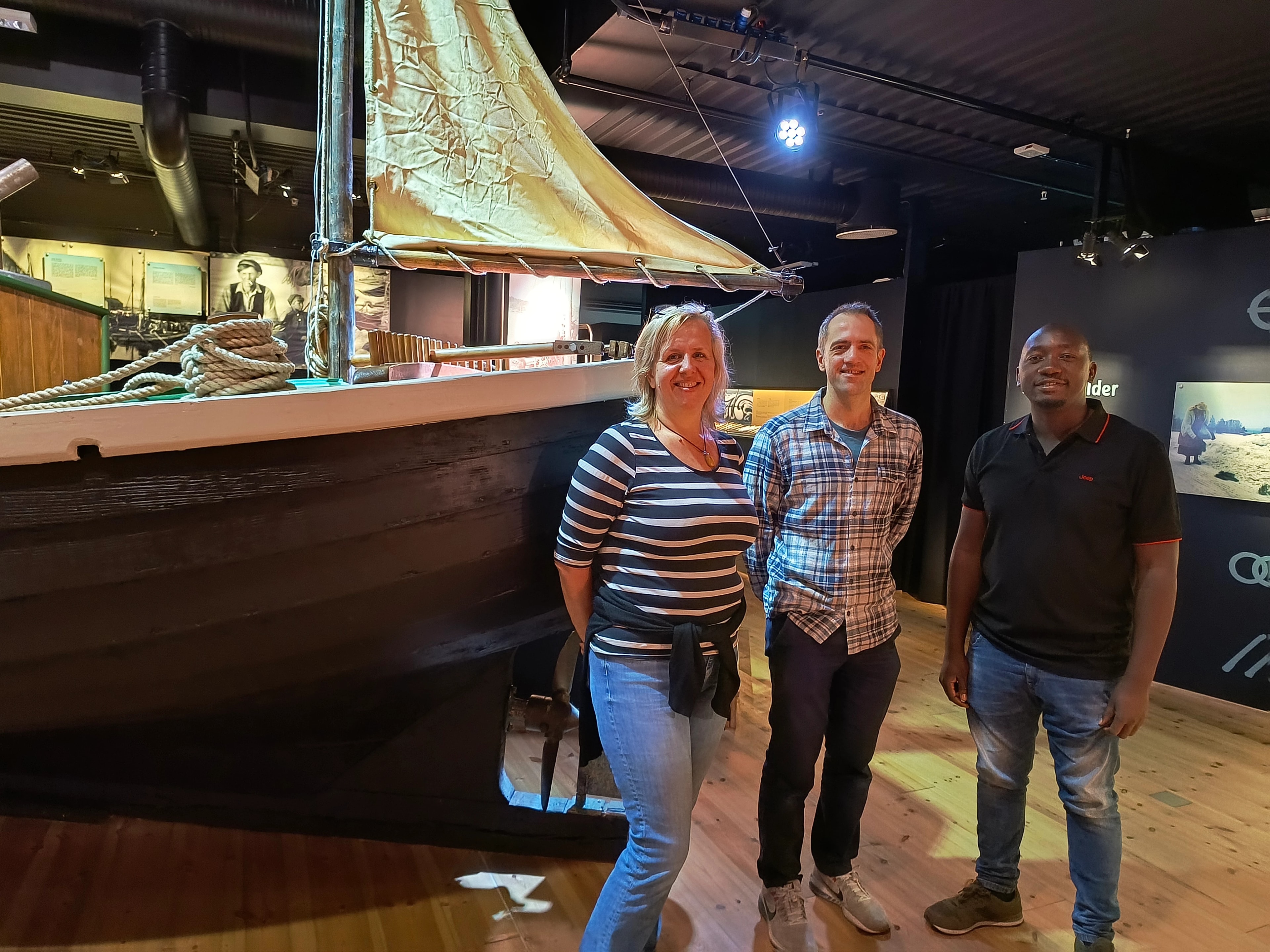
Key Takeaways: Uganda-Norway-Hungary Connections
Aliguma’s takeaways: “Two critical issues emerged during the visit, highlighting the potential for cross-continental collaboration and knowledge sharing. Firstly, the conservation of natural resources, particularly the management of wolves in Norway, raised parallels with Uganda's efforts to protect chimpanzees. The Forest Museum's educational exhibition on wolves served as an exemplary model for behavior change and myth-busting, inspiring me to develop similar initiatives in Uganda.
Secondly, the Railway Museum in Hamar provided a unique opportunity for me to learn about the restoration of historic wagons and the involvement of youth in contemporary museum practices. This exposed me to innovative approaches to engaging younger audiences and creating more vibrant exhibitions.”
Thoughts from Panni: “The exhibition about the wolves was significant because of its democratic approach to the subject. While in Hungary the main task of culture is to strengthen national identity, in Norway democracy and democratic processes are the main guiding principle of cultural activities. Both the exhibition and the educational programme are about the freedom of expression, the importance of expressing opinions and the acceptance of different opinions, in relation to a topic that is currently dividing a part of society. Inspired by this very exhibition, the Railway Museum made me wonder whether we can question a museum's authentic and popular programmes if they have a negative impact on the environment, even if it is a consciously reduced initiative? Which is more important: maintaining authenticity or protecting the environment? The exhibition 'Latjo Drom' about the Travellers and Romani people in Norway of the Glomdal Museum was a important place to visit, as it serves as a model for my work. Even though it has been open for 20 years and its approach and interpretation have remained unchanged, the relevance of the theme is undeniable. It was particularly interesting to talk to the Executive Director of the Anno Museum and to learn about a unique way of running an institution, which inspired me to come up with new project ideas. The seminar was one of the highlights of the professional programme, both professionally and personally."
Sigurd, facilitator for Anno museum: "For a diverse institution like ours, we are incredibly honoured to be chosen as a host institution by DAAD. For us it is an opportunity to tailor a programme that, on the one hand, shows some examples of our work, not necessarily as a best practice, but to receive input on how it is perceived by museum professionals from totally different cultural contexts. Anno museum have many efforts under the labels of cultural diversity and sustainability, but these are difficult issues to grapple with in museums, and you are never perfect. A museum claiming excellence in cultural diversity, has either missed some major points, or failed to fathom the complexity of museum communication.
For Anno museum, TheMuseumsLab is rather an opportunity to learn and grow, both for host and visiting fellows, to enhance each others ‘global awareness’. International exchange teaches us the importance of perspective, and that our way of thinking about and playing a role in our society, may not be the right way in other parts of the world. One solution in one context is not necessarily applicable in another. In other words, the MuseumsLab helps us to exercise and refine those skills involved in exercising ‘global awareness’, and, which basically deals with a very important mindset, crucial to any museum professional.’ After all, whether we think about museums historically or in a contemporary sense, no museum should be perceived as detached from the larger world."
Call for Funding and Capacity Building
The residency phase yielded valuable insights for both the fellows and the hosting museum institution. Key reflections highlighted the need for funding and capacity building. Both Europe and Africa face a significant shortage of museum and heritage professionals and funding, jeopardizing the future of the museum sector. Onboarding volunteers and trainees can help bridge this gap.
Cross-continental collaboration initiatives like TheMuseumsLab can facilitate the exchange of perspectives, expertise, and best practices, ultimately strengthening the global museum community and heritage sector in general.
Relevance is an important issue and in this context the concept of continuous change should be highlighted. "A Finished Museum is a Dead Museum, and a Dead Museum is a Useless Museum."1 G.B. Goode's line of thought can be reinterpreted: a changing museum is a living museum, and a living museum is a useful museum. Since our ‘environment’ is constantly changing as well, there is no stopping, because if we do, we also lose our relevance. This is linked to reaching children and young people, because the future is in their hands. It is therefore of utmost importance to remain relevant also to young people.
The residency programme has the undeniable merit of creating professional and personal connections. And only it's up to us how we proceed with the first steps.
Related Articles
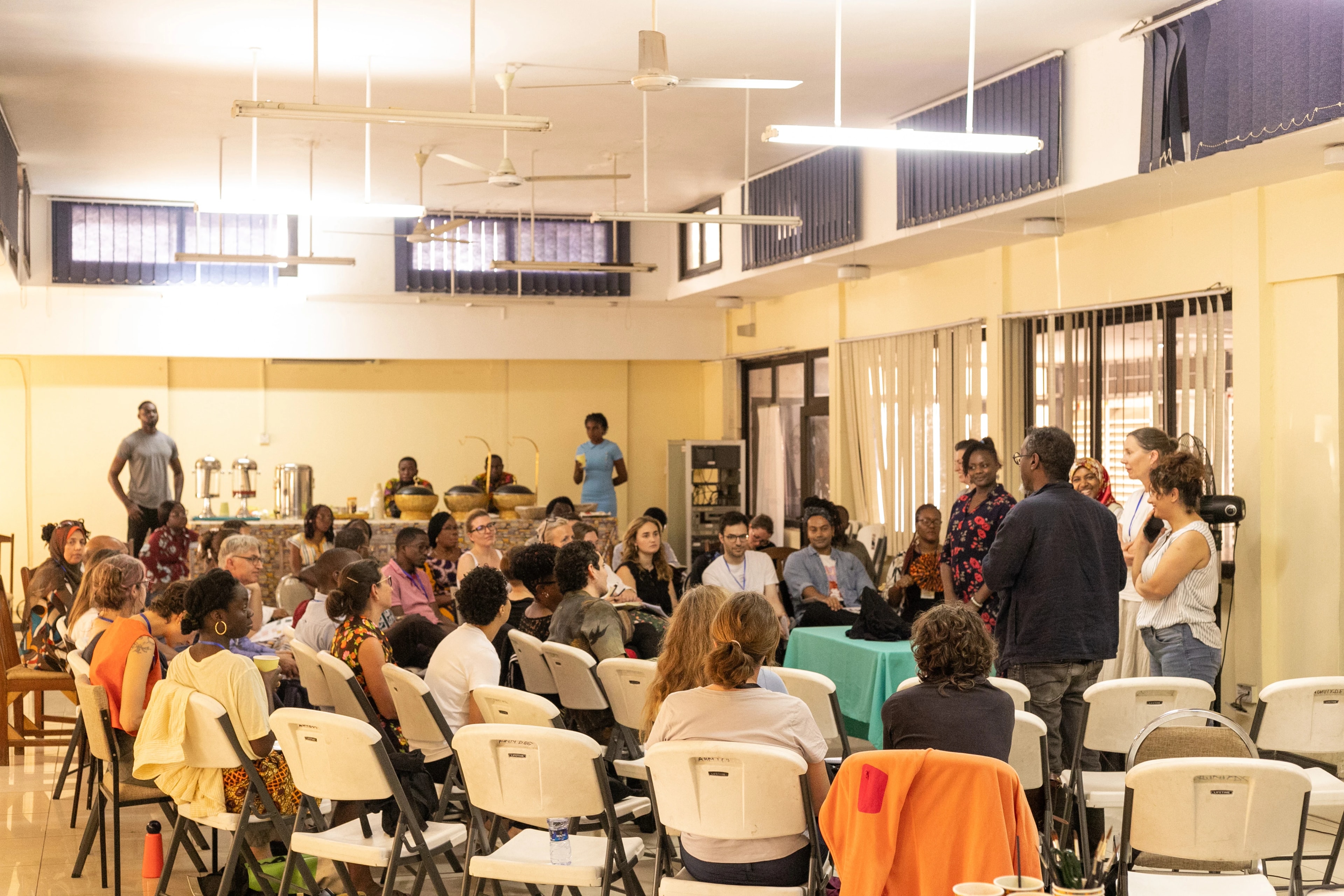
Alumna Pauline Chiripanhura on TheMuseumsLab 2024
Pauline reflects on her experiences at TheMuseumsLab 2024, from visiting heritage sites in Ghana and Wales to engaging with African and European peers on decolonisation, restitution, and sustainable heritage practices.
Read more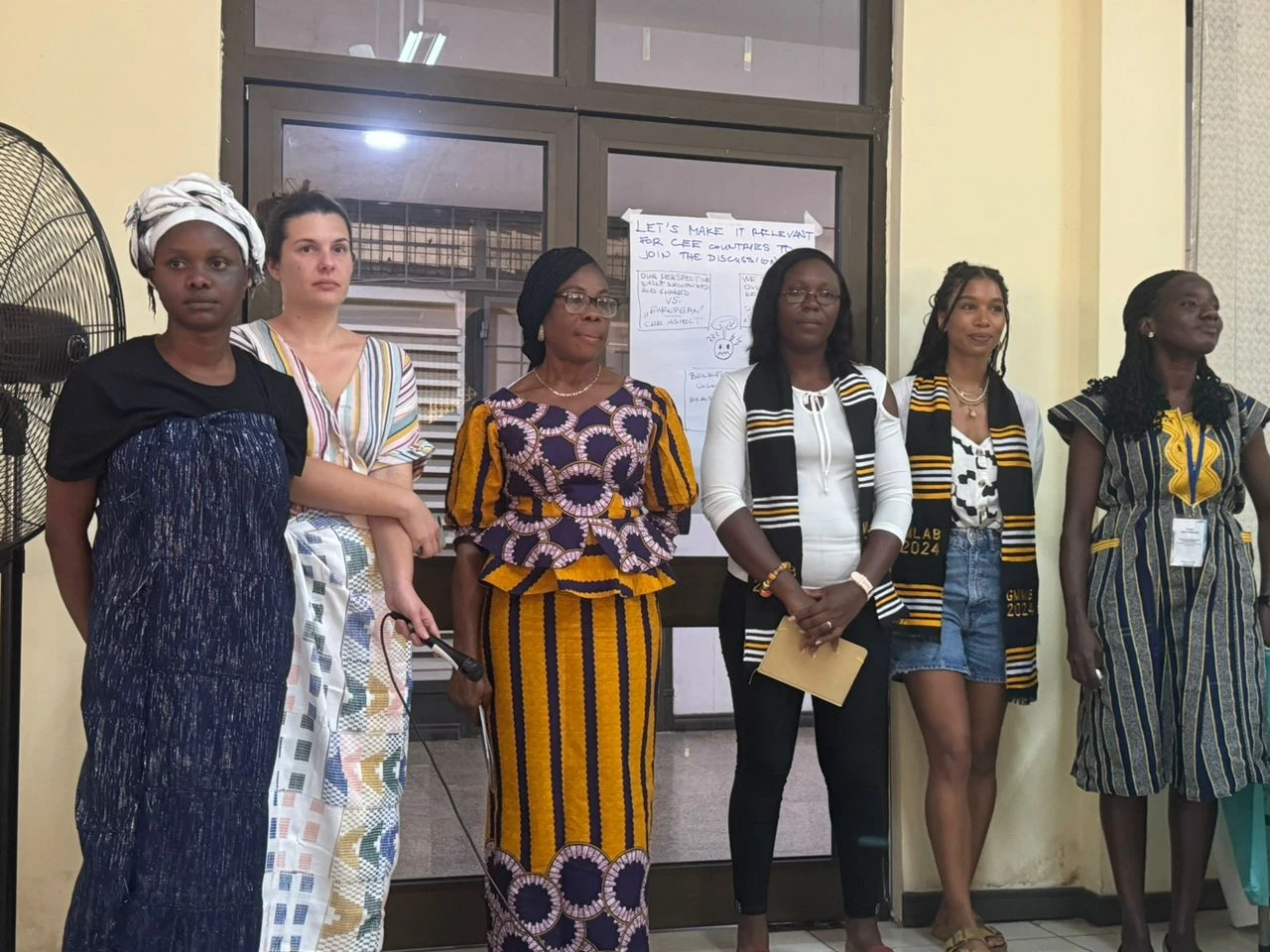
Reflections on a Transformative Journey by Alumna Onyinye Nwokeocha
Onyinye reflects on her experience at TheMuseumsLab 2024, visiting museums and heritage sites in Germany, Namibia, and Ghana. Through lectures, field visits, and cross-cultural collaboration, she explores how museums can serve as platforms for storytelling, advocacy, and healing, and how these insights influence her professional practice.
Read more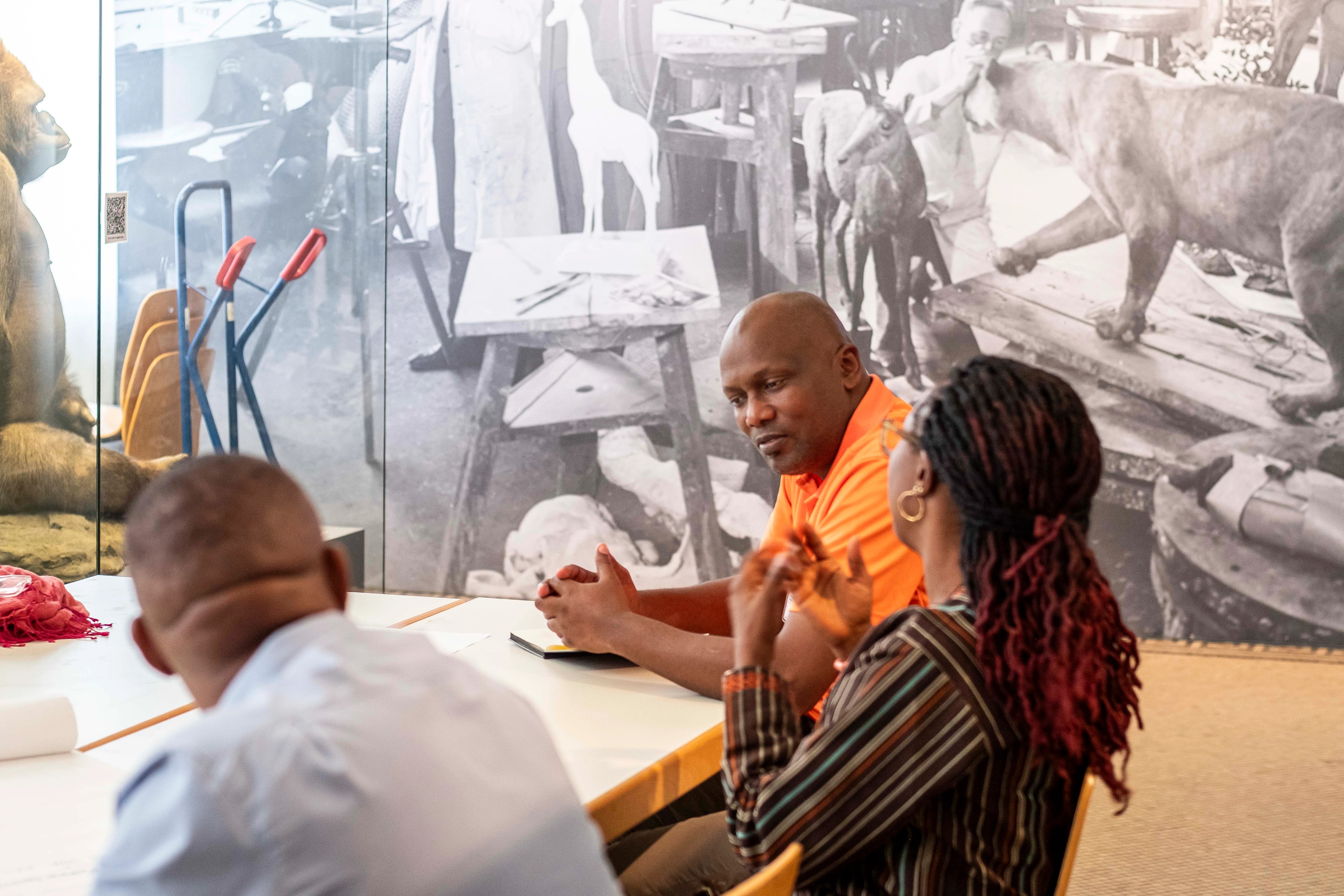
The Joint Declaration of TheMuseumsLab Partner Museums Network
At its 5-year anniversary, TheMuseumsLab network of African and European partners signed a powerful joint declaration, committing to transform museums into inclusive spaces of dialogue, reflection, and connection. Discover how this milestone is reshaping the future of cultural collaboration.
Read more