Poetry, Conservation and Youth Action | CollabFund
What is it like when the forest is torn?
When logging and greed leave a kingdom forlorn
Your home is a memory stripped into a land
Crushed by the weight of a grasping hand
Excerpt from: What does it mean? Co-created by S. Oteki, D. Macharia & M. Mbugua
An insight into the CollabFund project Co-MammalHub by Lydia Nafula & Dr. Annie Antonites.
On 3-4 August 2026, the Co-MammalHub (CMH) team hosted a two-day poetry workshop and co-create session for young people at the Nairobi National Museum (NNM) in Kenya. Bringing together youth, museum professionals, artists and educators, the programme created a unique space for participants to explore the stories of rhinos and pangolins through science, creativity and critical reflection.
The workshop opened with a presentation by National Museums of Kenya (NMK) mammalogist, Dr Simon Musila, who introduced the group to mammals before focusing on two of Africa's most threatened species: rhinos and pangolins. Dr Musila explained the biology, distribution and conservation status of both animals, highlighting the threats they face from poaching, habitat loss and illegal wildlife trade. He concluded by discussing practical ways in which people can contribute to their conservation. The presentation sparked lively discussion, with participants asking thoughtful questions such as whether black and white rhinos can interbreed, which species faces the greatest risk of extinction, and why pangolin scales are so highly sought after.
The scientific discussion was followed by a poetry workshop facilitated by CMH team member Brandon Kilbourne. To set the tone, Brandon shared rhino-themed poems before encouraging participants to create their own poetic responses. Working individually and later in groups, the group produced powerful pieces that explored what it might feel like to be a rhino living under the constant threat of poaching.
Brandon challenged participants to consider perspectives that are often absent from scientific narratives and museum displays. Poetry, he suggested, can give voice to non-human experiences and help us imagine what animals might "say" about their own lives. Participants were encouraged to reflect on questions such as: What does it mean to be a rhino? What is it like to lose your horn because of human greed? What does it feel like to have little control over your future and wellbeing? Which stories remain untold in museum exhibitions, and who has the authority to tell them?
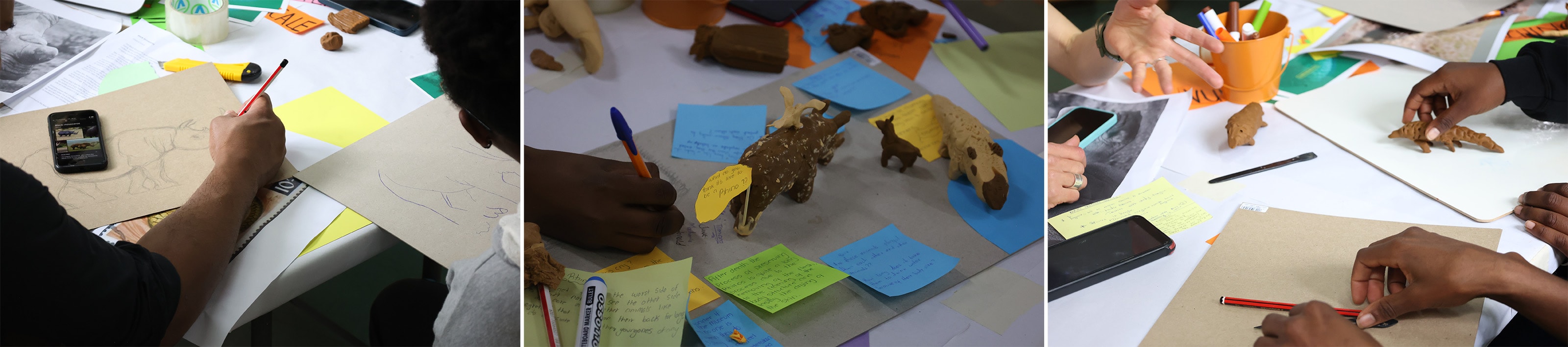
The creative momentum continued during the co-create workshop facilitated by Nicola Grobler and Annie Antonites. Participants made models and sketches of pangolins and rhinos while sharing their thoughts and reflections on note cards. These comments were pinned to a large pangolin silhouette made from Kenyan kisutu fabric, creating a collaborative artwork that captured diverse perspectives on the animals and their conservation challenges. Youths also shared ideas on CMH postcards and participated in interactive activities focused on empathy, conservation and museum representation.
Many of the reflections revealed an engagement with questions of agency and care. The group considered how it might feel to be removed from one's home and placed on display for others to observe. They reflected on issues such as controlled breeding programmes for rhinos, noting that the animals themselves have no voice in decisions that affect their lives. Others discussed how personal encounters with animals often inspire curiosity and deeper questioning, while also suggesting new topics that could be explored in museum displays. Questions ranged from how pangolins communicate during times of danger to how rhinos adapt when they lose their horns.
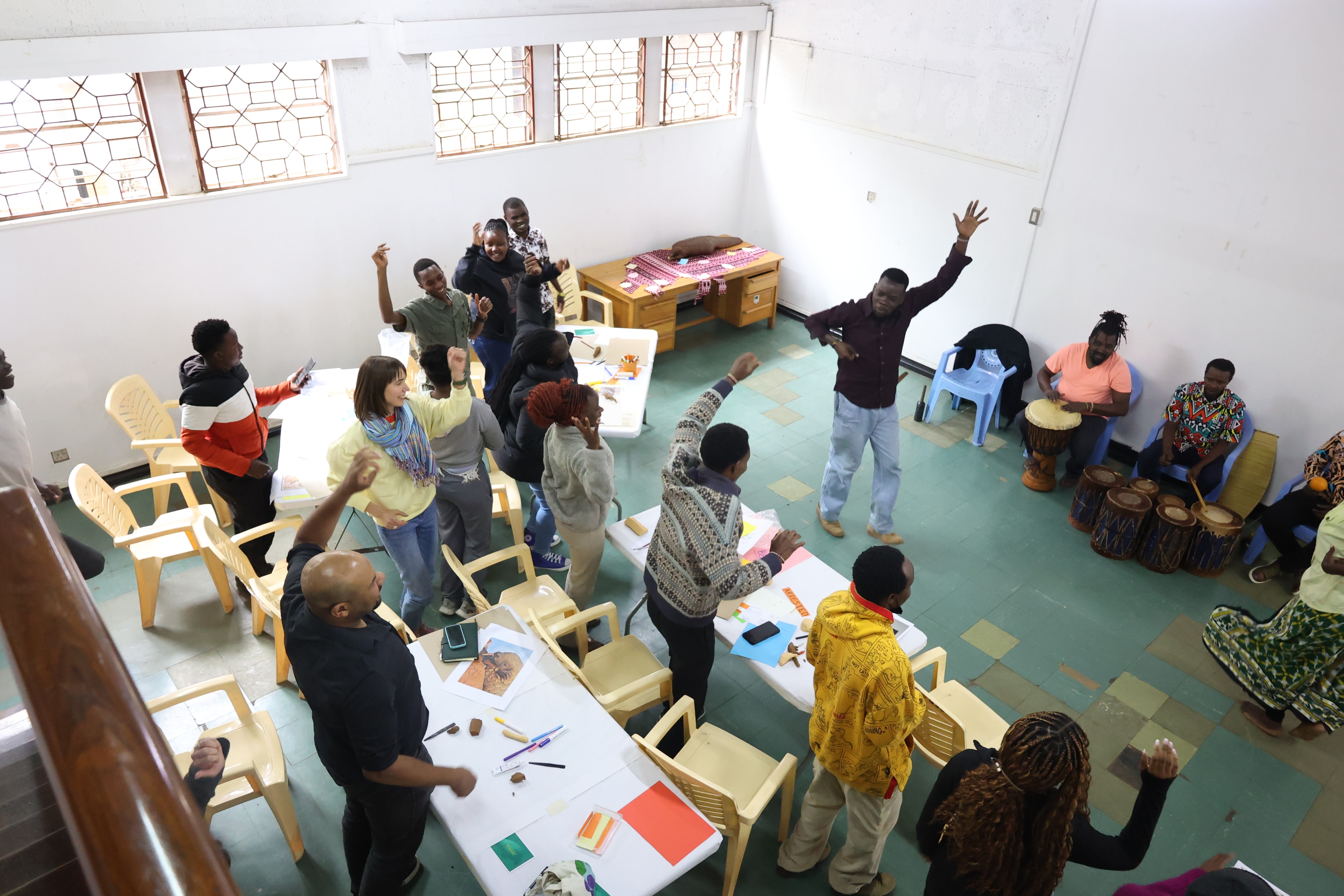
The day also featured an interactive storytelling session by Zamaleo ACT, whose Sigana storytelling approach blends African performance traditions including narrative storytelling, riddles, chants, songs, movement and audience participation. Through singing and rhythmic participation, the session encouraged imagination and reflection on the animal world.
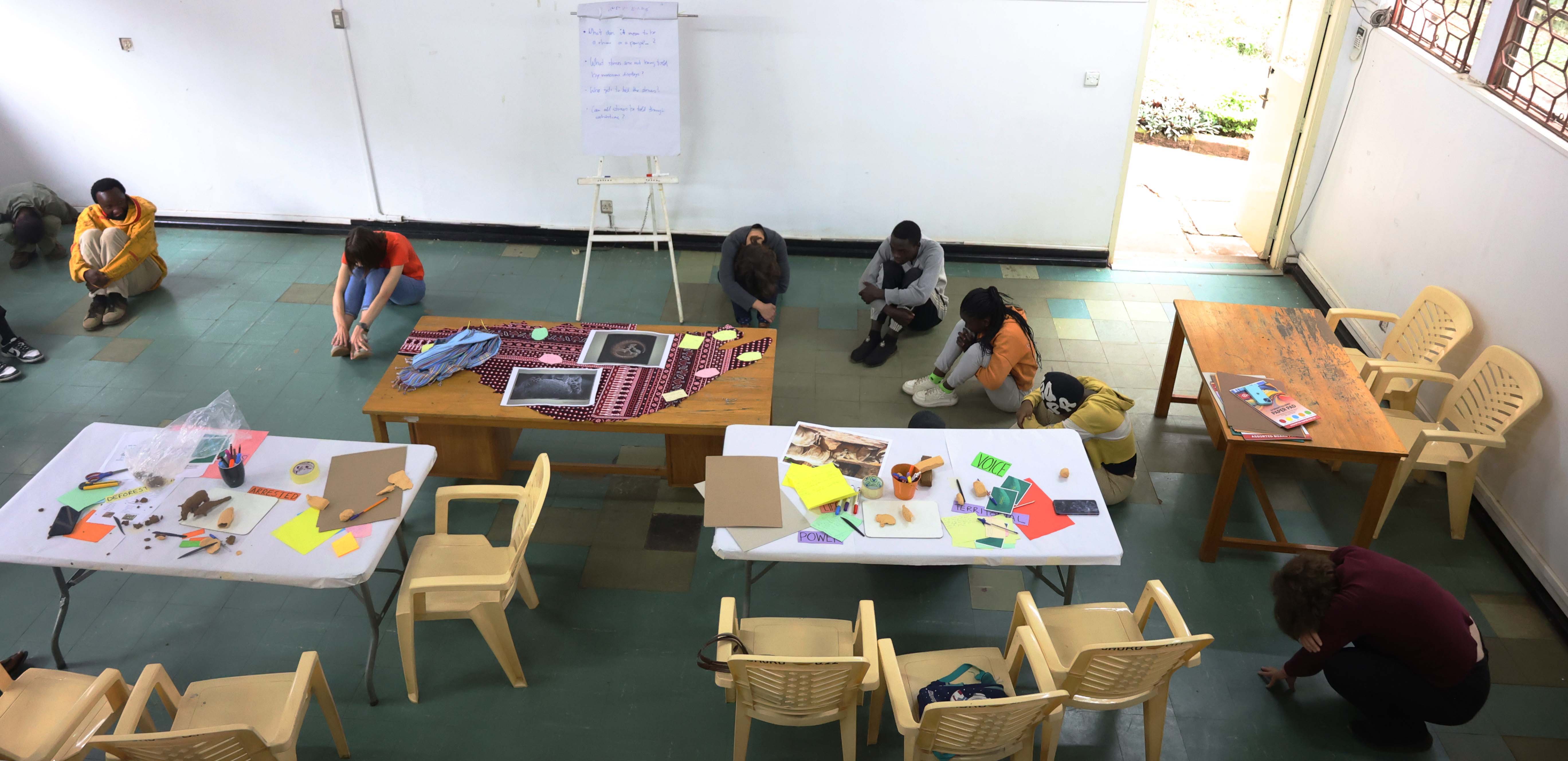
The CMH workshops concluded with an energetic performance by young people from the Mukuru Rescue Centre, featuring dance and juggling. Participants then toured the NNM’s exhibitions, where they encountered displays featuring both rhinos and pangolins. One particularly powerful moment was the opportunity to reflect on the preserved remains of Sudan, the last male northern white rhino, whose story served as a reminder of the consequences of species decline and the urgency of conservation efforts.
Reflection
A small group of young people between the ages of 18 and 24 participated in the workshops. Half were students from universities and colleges across Kenya undertaking a three-month attachment programme at the NNM, while the other half came from the Mukuru Rescue Centre, an organisation that supports vulnerable children and youth through education, mentorship and rehabilitation programmes. Staff members from various departments of the museum also joined the activities.
The workshops were interactive and provided opportunities for participants to express themselves through poetry, drawing, model-making and discussion. In the process, they learned more about the challenges facing rhinos and pangolins while exploring the role they can play, both individually and collectively, in shaping new conservation narratives within museums and their communities.
Working collaboratively, participants developed display concepts and shared their ideas with the wider group. Incorporating young voices, particularly those from outside museum spaces, offered fresh perspectives on exhibition design and interpretation. The process highlighted the importance of creating opportunities for broader public participation in deciding which stories museums should tell and how they should be presented. These insights will contribute to CMH's ongoing work, including plans for a new pangolin display at the NNM.
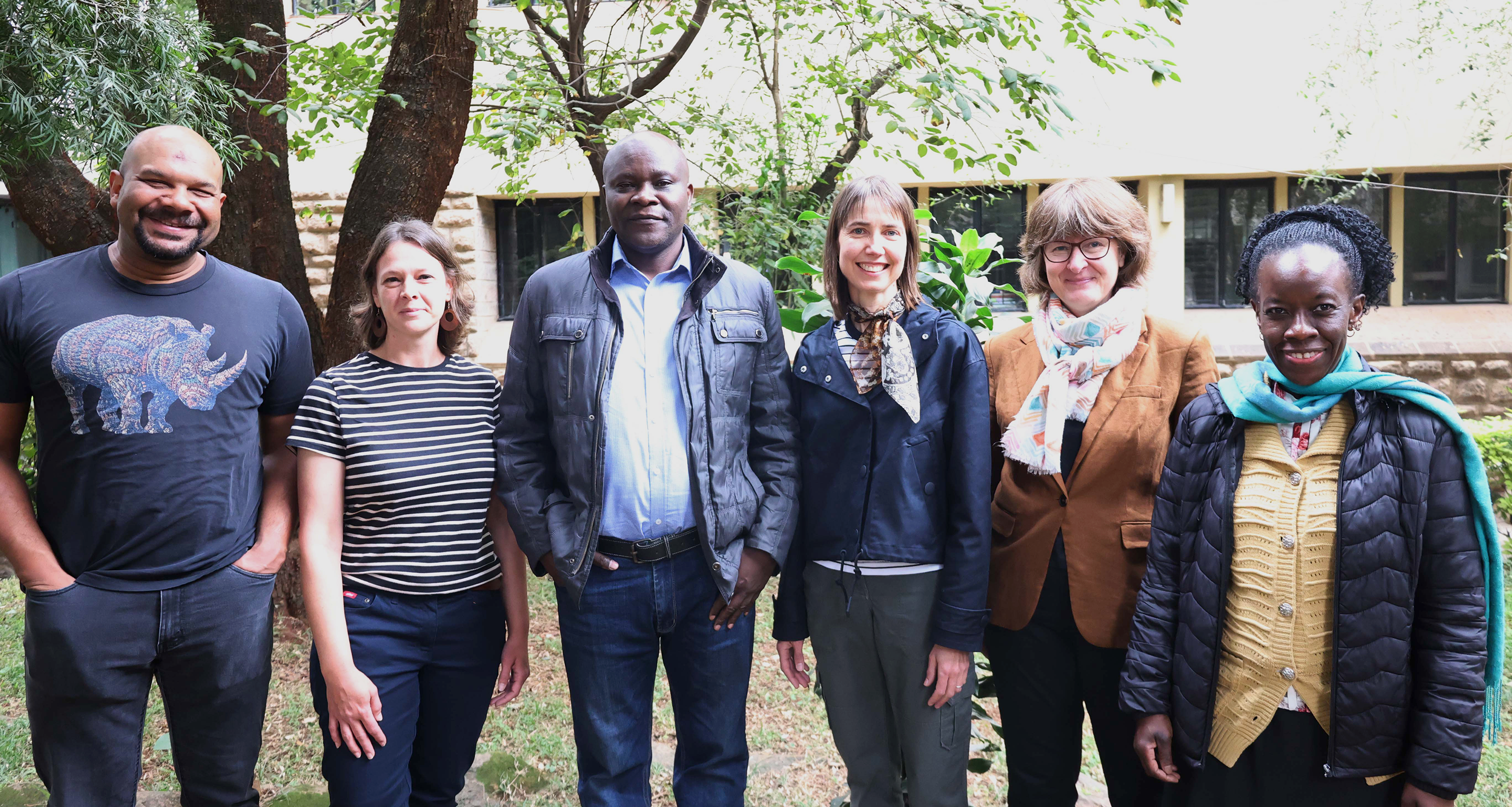
The workshop also marked the first occasion on which the entire CMH team was able to meet in person and participate together in project activities. This proved invaluable for strengthening relationships and reinforcing the collaborative ethos of the project. During their visit, team members explored the mammal collections, including pangolin specimens, and visited the Palaeontology Department to view rhino fossils. These encounters underscored the deep and enduring presence of both species within Africa's natural history.
Co-MammalHub – Next Activities
Whilst in Nairobi, the team further developed the CMH installation piece, a travel bag that symbolises the project's collaborative and transnational nature. The installation has been displayed temporarily at the Museum für Naturkunde Berlin and the Ditsong National Museum of Natural History in Pretoria and will also feature in the forthcoming TheMuseumsLab CollabFund joint publication. Through these activities, CMH continues to demonstrate how creativity, collaboration and community engagement can enrich conservation dialogue and museum practice.
The Authors
Lydia Nafula
Researcher, Curator and Facilitator
National Museums of Kenya
TheMuseumsLab Alumna
Dr. Annie Antonites
Project lead, coordinator, researcher and facilitator
TheMuseumsLab Alumna
The initiative TheMuseumsLab CollabFund is funded by the Kulturstiftung des Bundes (German Federal Cultural Foundation).

Related Articles
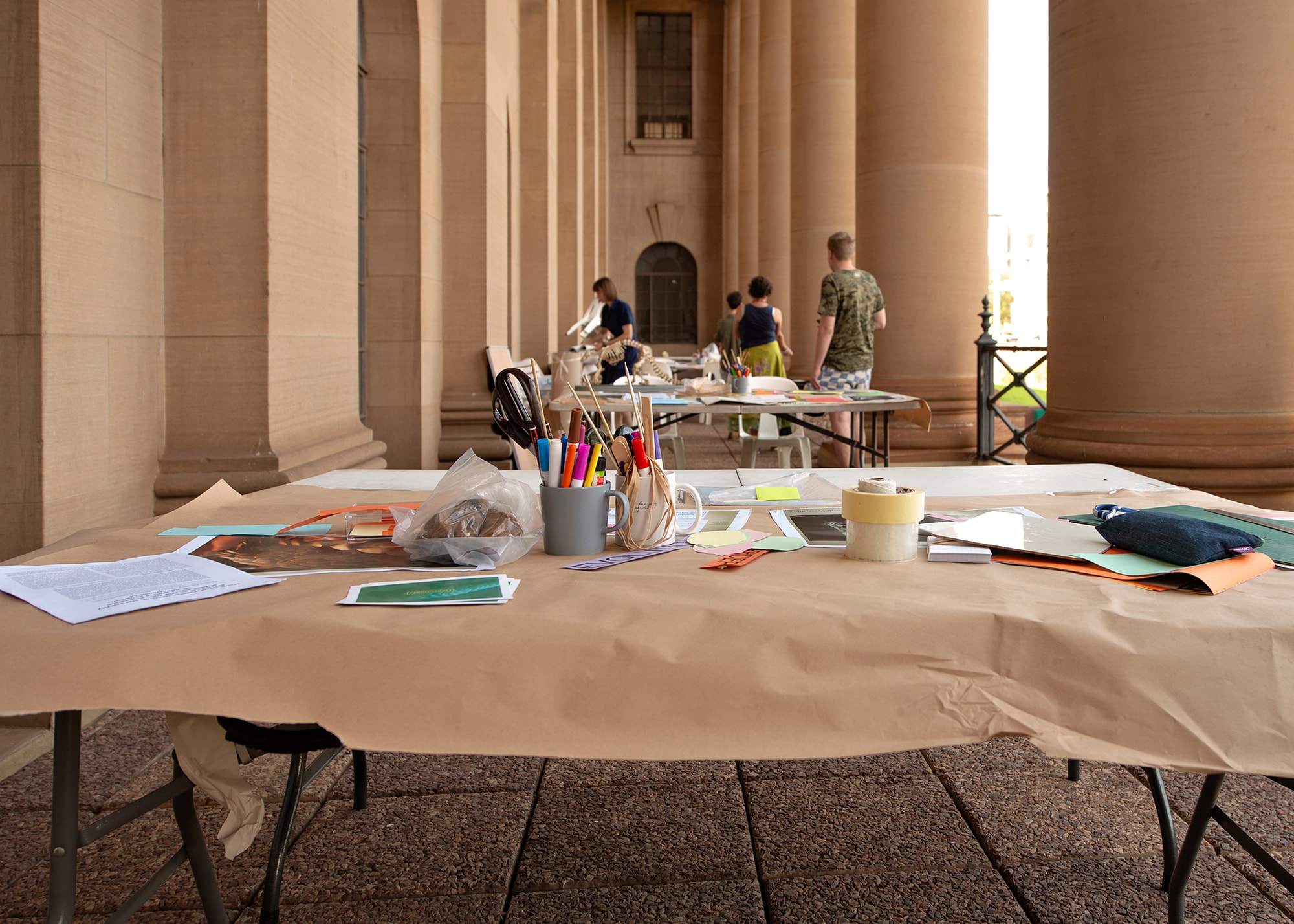
Pangolins and Participation: Turning Museum Visitors into Exhibit Creators | CollabFund
The Co-MammalHub project recently kicked off at the Ditsong National Museum of Natural History in Pretoria, bringing together experts and the public to discuss the world’s most trafficked mammal.
Read more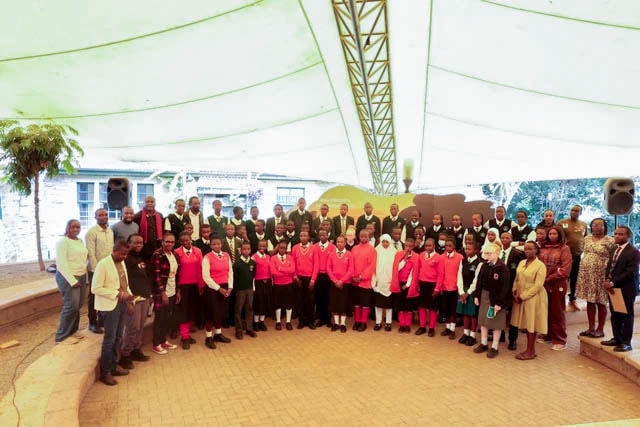
Young Voices Speak Up for Pangolins and Rhinos | CollabFund
The Co-MammalHub brought high school learners together at Nairobi National Museum for a spoken word and poetry competition exploring pangolin and rhino conservation.
Read more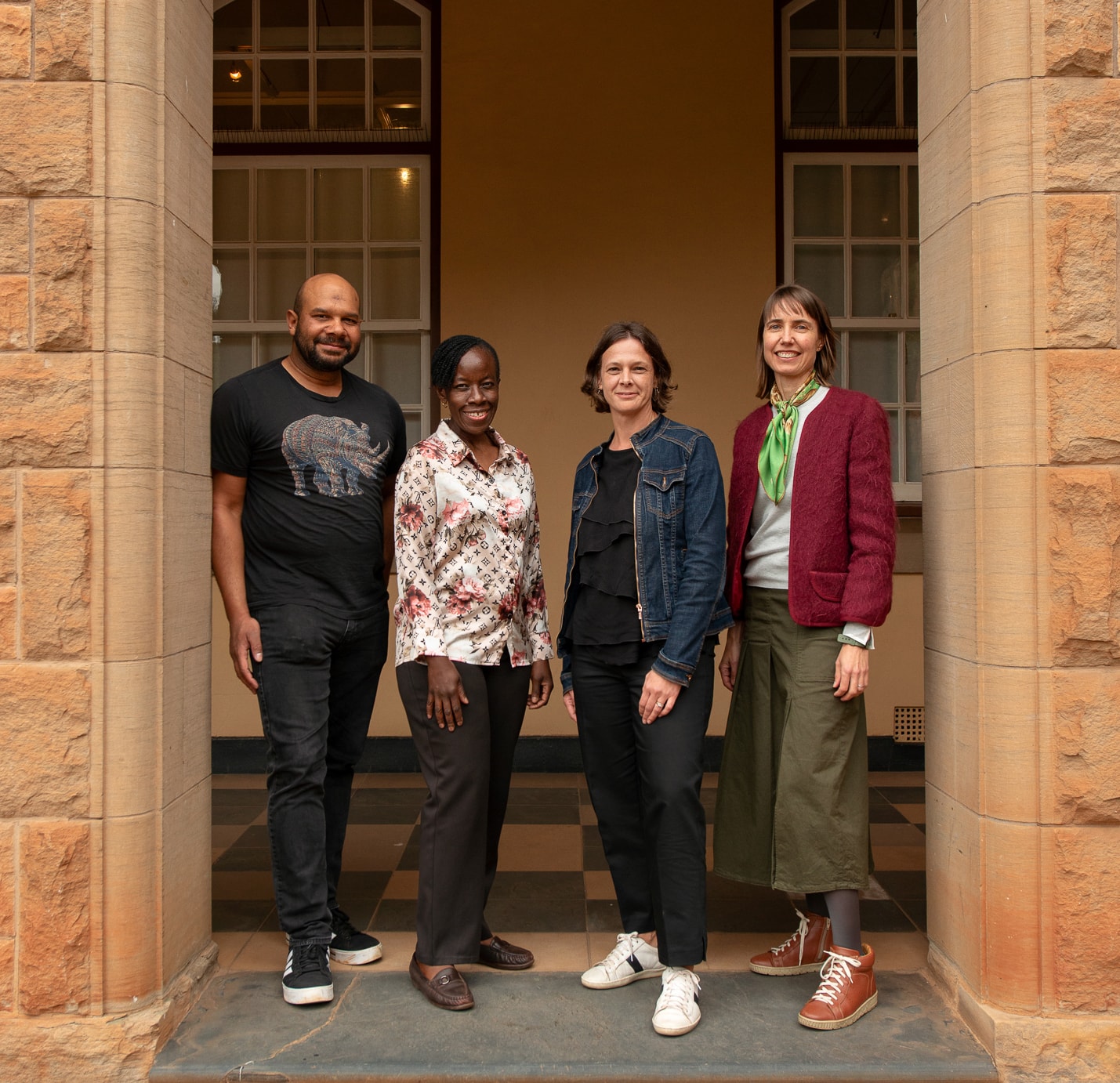
Building Emotional Connections with Rhinos Through Poetry | CollabFund
Co-MammalHub returned in April with a rhino-themed line-up of talks, poetry readings and poetry workshops in Pretoria.
Read more