Pangolins and Participation: Turning Museum Visitors into Exhibit Creators | CollabFund
An insight into the CollabFund project Co-MammalHub by Dr. Annie Antonites & Dr. Nicola Grobler.
The Co-MammalHub (CMH) project kicked off in February in Pretoria. The Ditsong National Museum of Natural History (DNMNH) hosted the first chat event, which brought about 50 guests together to discuss the world’s most trafficked mammal: the pangolin. Two leading experts shared their perspectives on the lives of these fascinating animals. Dr Karin Lourens, a veterinarian from the Johannesburg Wildlife Veterinary Hospital, talked about the development of species-specific medicine and customised care required to treat and rehabilitate pangolins. Prof Raymond Jansen, a zoologist and member of the African Pangolin Working Group, highlighted the devastating impact of the illegal wildlife trade across Africa. A key takeaway from the talks was that pangolins are sentient animals that experience emotional distress. Rescued individuals often show PTSD symptoms following the trauma of being poached and trafficked.
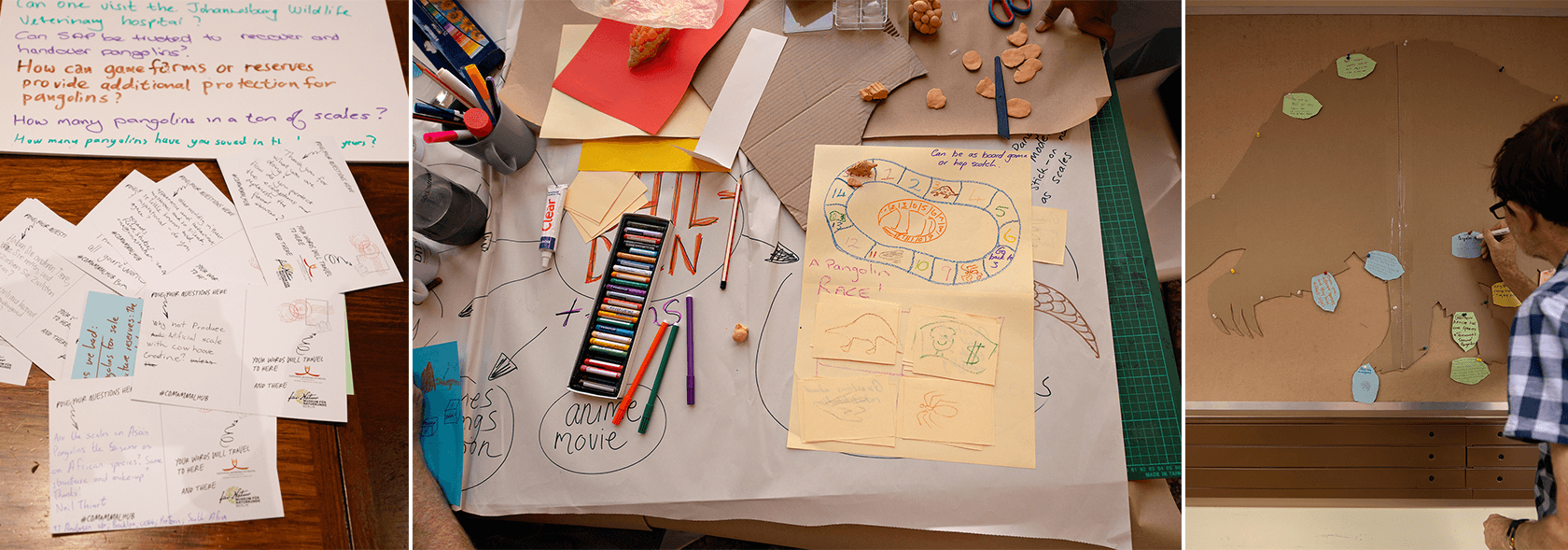
The event wasn't only about listening; it was about connecting. The audience engaged in a lively Q&A with the speakers and participated in a unique postcard project. Attendees wrote personal messages on custom-designed postcards that will head to project partner cities, Nairobi and Berlin, later this year. Visitors at upcoming events in those cities will read these messages and add their own, creating a sense of connection between CMH’s different participants.
Collaboration in Action
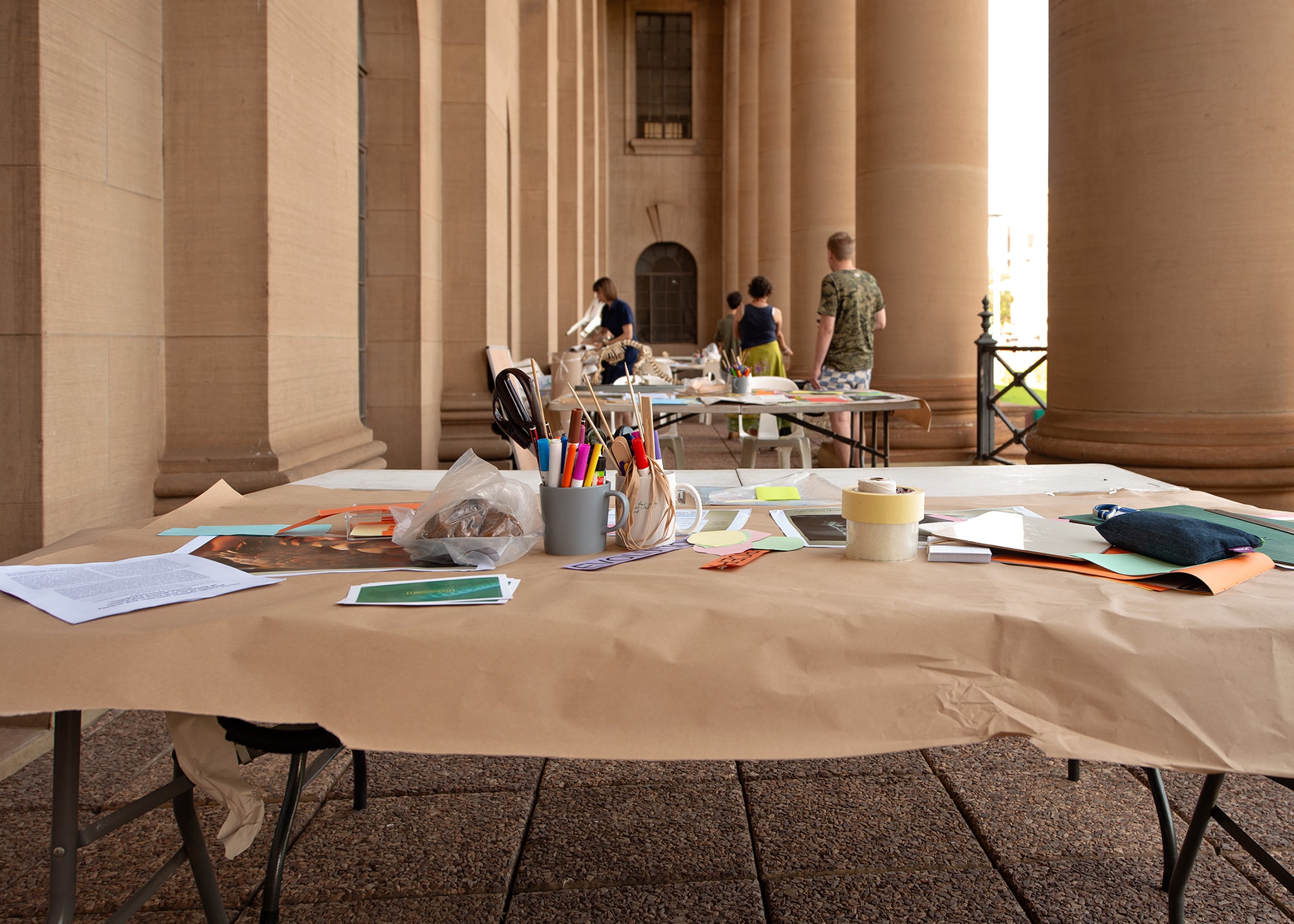
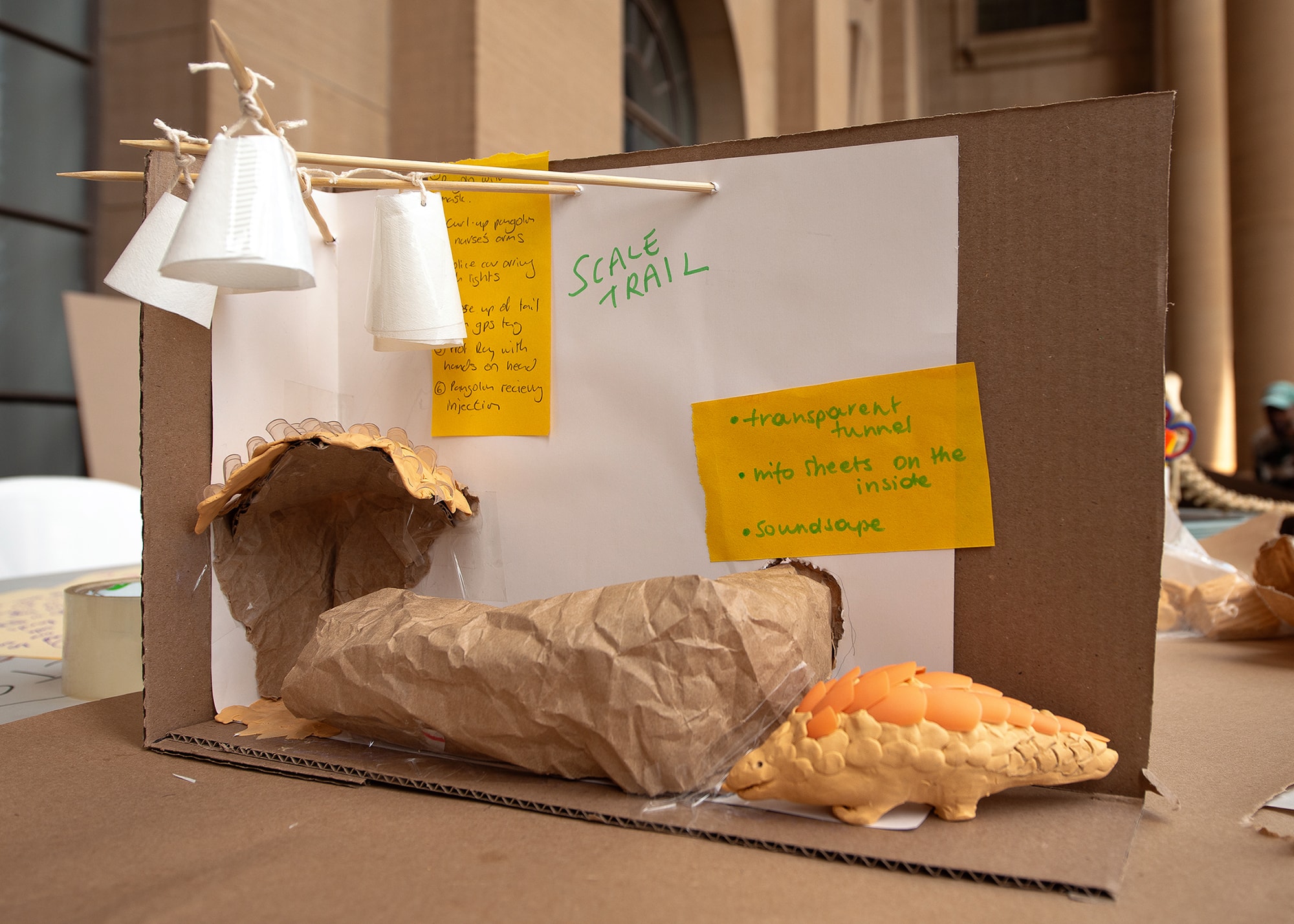
Following the chat event, team members facilitated Co-MammalCreate workshops over two weekends. About 15 participants joined the co-create sessions to turn ideas gathered from the chat into a design concept for a new pangolin exhibition. The workshops kicked off with a simple question: What does the world need to know about pangolins? After brainstorming interesting facts and emotional connections to pangolins, the group narrowed their focus down to a few major themes. Divided into small teams, participants used a mix of clay, fabric, paint, and paper to bring their concepts to life. The groups focused on sensory experiences – brainstorming ways for museum visitors to “feel” what it is like to be a pangolin by mimicking their unique senses and behaviours. These concepts were then refined by building physical models to visualise the exhibit. Ideas were presented to the full group, allowing everyone to contribute their perspective and refine the designs. We are now working with our exhibition design project partner to turn the participants’ creative visions into a reality at DNMNH.
Reflections
A clear gap exists between the public’s enthusiasm for engagement at DNMNH and the practical opportunities available. People want to contribute their professional expertise and lived experiences, and CMH provides a space for recognising these contributions. The true value of the co-create process lies in the intangible: the dialogues between participants, as well as the process of creating together. The session outputs and exhibition designs reflect the enthusiasm and collaborative efforts of the participants. However, it is also important to negotiate and manage the participants’ expectations. The CMH team is cognisant of transparency about how participant input shapes the final product – a strategy we put into practice during the pangolin sessions. By having a design expert provide immediate feedback and offer alternative ways to realise ideas, we turned potential frustration into a constructive, energetic design process.
The Authors
Dr. Annie Antonites
Project lead, coordinator, researcher and facilitator
TheMuseumsLab Alumna
Dr. Nicola Grobler
Artist-researcher, facilitator and producer of art installation
Cooperation Partner
The initiative TheMuseumsLab CollabFund is funded by the Kulturstiftung des Bundes (German Federal Cultural Foundation).
