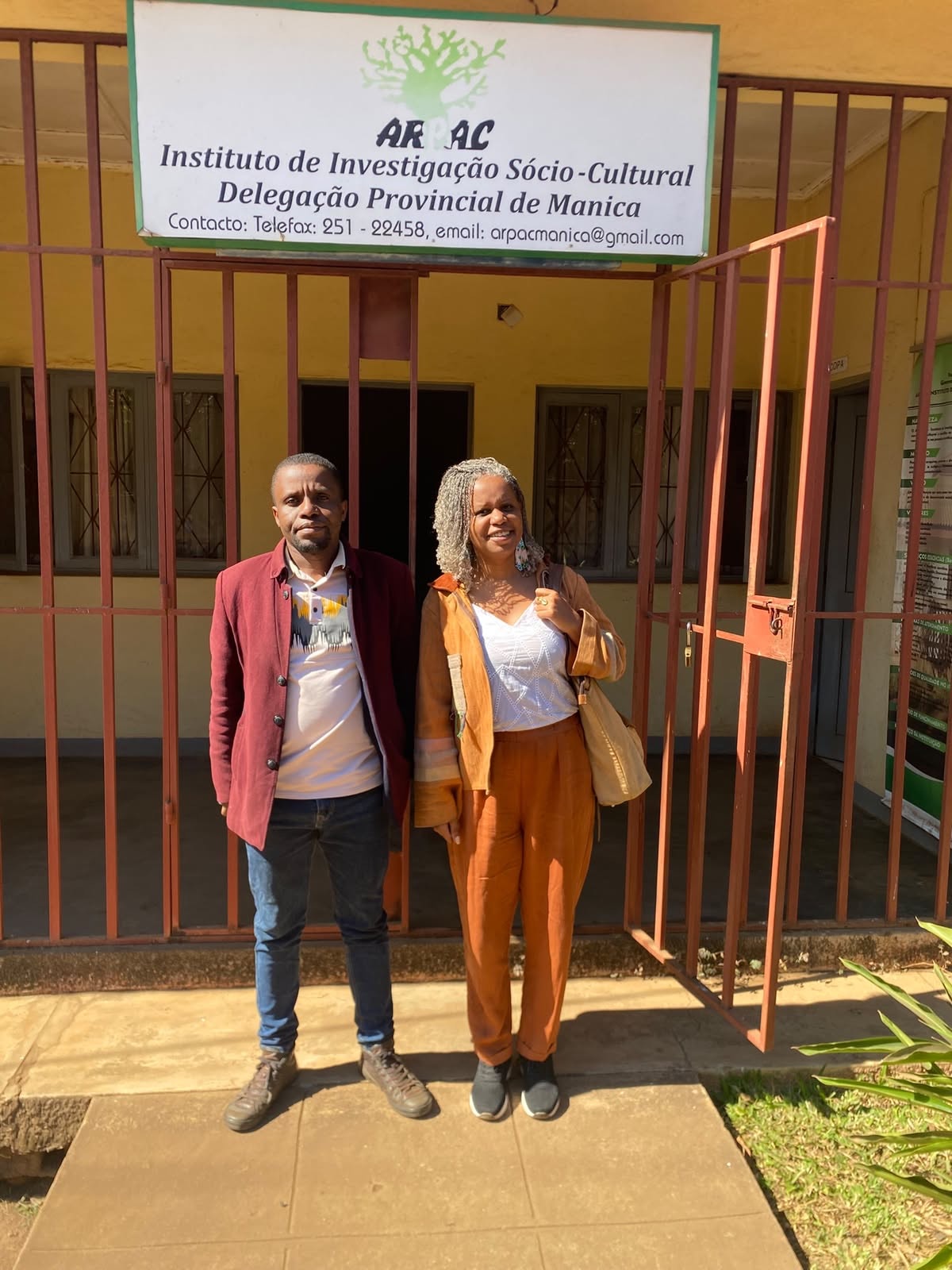
Groundwork in Motion: Artist Notes | CollabFund
An insight into the CollabFund project Re-Rooted: Liberating Colonial African Collections Through Indigenous Knowledge Systems by Eno Inyangete.
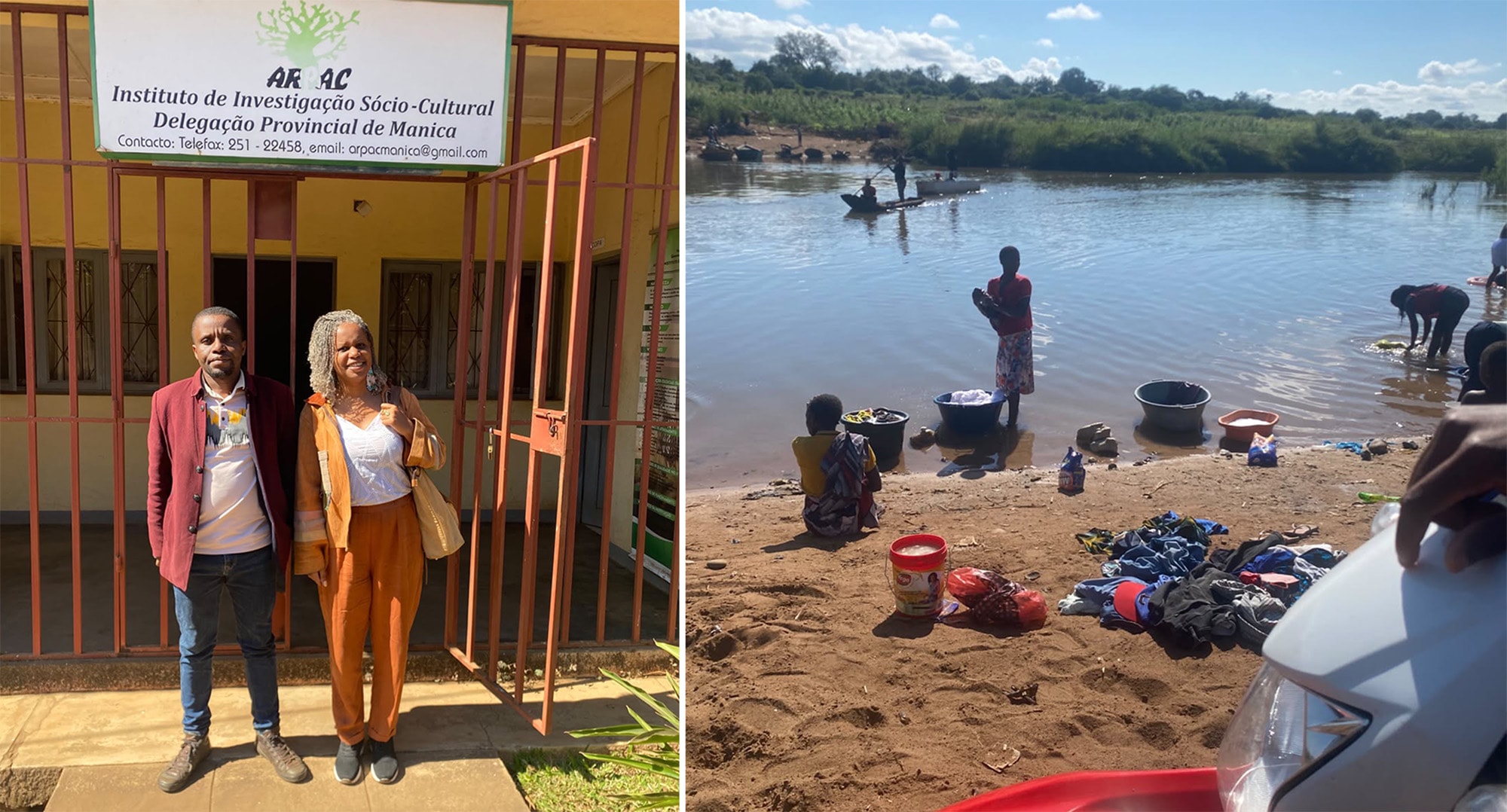
With active field research officially underway, our selected artists Fatma Elzahraa and Wacelia Zualo are doing the crucial groundwork. From unpacking colonial language surrounding ancestral remains in Egypt to mapping sacred memory across Mozambique, read their latest updates from the field.
Fatma has completed the writing for her community-led atlas. Atlas: “Decolonising Vocabulary” explores the language used to talk about the mummified human remains of ancient ancestors. By examining commonly used terms like “mummy,” “museum,” “ownership” and “theft,” the atlas exposes the colonial contexts and power structures embedded within them. Fatma recently hosted a community call with Egyptian peers to gather feedback, sharing that, “this conversation allowed me to test the Atlas beyond my own research and perspective and to reflect on how different people relate to the language and ideas surrounding mummified human remains.”
In preparation for the production phase, Fatma is now reviewing the English text and has developed a visual moodboard to guide the design for the atlas.
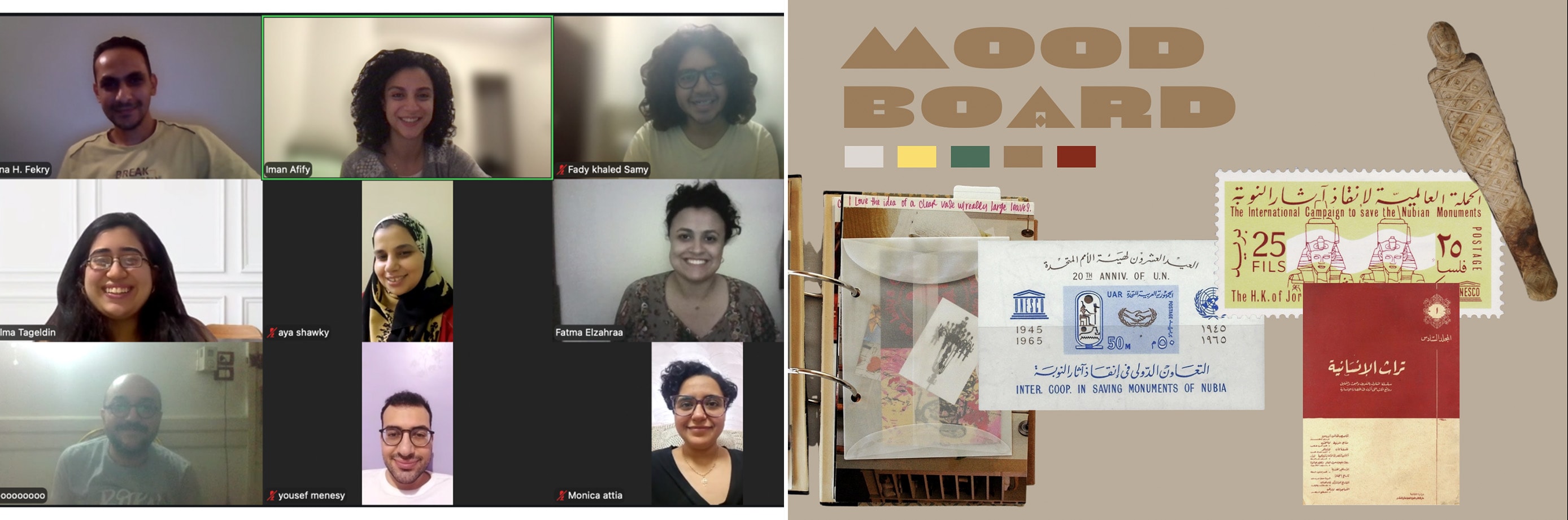
Meanwhile, Wacelia has been mapping out her field research across Mozambique. Engaging directly with traditional leaders, Chiefs, traditional healers, traditional doulas, community elders and sacred sites, Wacelia reflects on her process: “I move between worlds. I listen. I ask. I create. Research is not only what I find. It is also what finds me.” Her community consultations in Chibabava and Goonda revealed both the persistence of hidden knowledge and the deep pain of colonial extraction. Wacelia notes that “knowledge is still here, even if it is hidden” and that “not every object is for the museum. Some things carry spirits.”
Translating these field notes into material form, Wacelia has begun mapping symbols, experimenting with textiles and natural dyes and creating provisional sketches to imagine how some of these ideas might exist as objects. In September, she will travel to Leipzig to engage directly with the physical objects in the collection - their scale, weight and presence - as “the beginning of a conversation.”
The Author
Eno Inyangete
DRR Collective Member
TheMuseumsLab Alumna
The initiative TheMuseumsLab CollabFund is funded by the Kulturstiftung des Bundes (German Federal Cultural Foundation).

Related Articles
Re-Rooted: Artists Selected, Foundations in Place | CollabFund
This update explores the foundational phase of the “Re-Rooted” project, outlining the setup of the collaborative infrastructure, reflecting on early project activities, and celebrating the selection of artists Wacelia Zualo and Fatma Elzahraa.
Read more