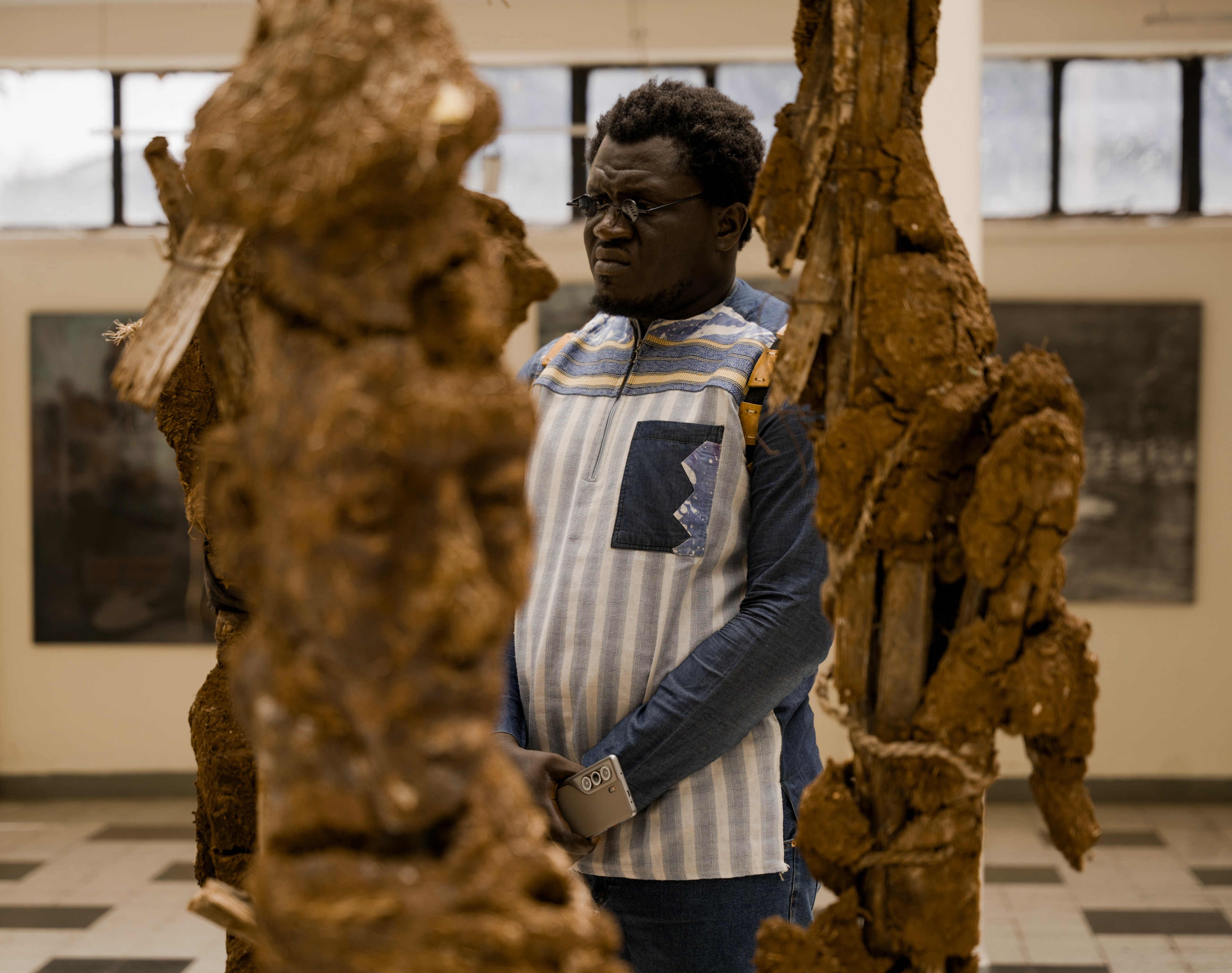
Who Decolonises Decolonisation?
Who Decolonises Decolonisation?
Berlin, Gothenburg, Addis Ababa — and the power that survives after the language changes
At the Adwa Memorial Museum in Addis Ababa, the disagreement began after the galleries. In the amphitheatre, Menelik II had been presented by some guides as a “father of Pan-Africanism”. The room did not simply accept the formula. Other genealogies were brought into the discussion: West African, Caribbean, diasporic, intellectual, religious. The exchange became intense enough to expose something larger than a disagreement over one historical figure: even a museum built around resistance can produce a version of history that asks to be believed rather than questioned.
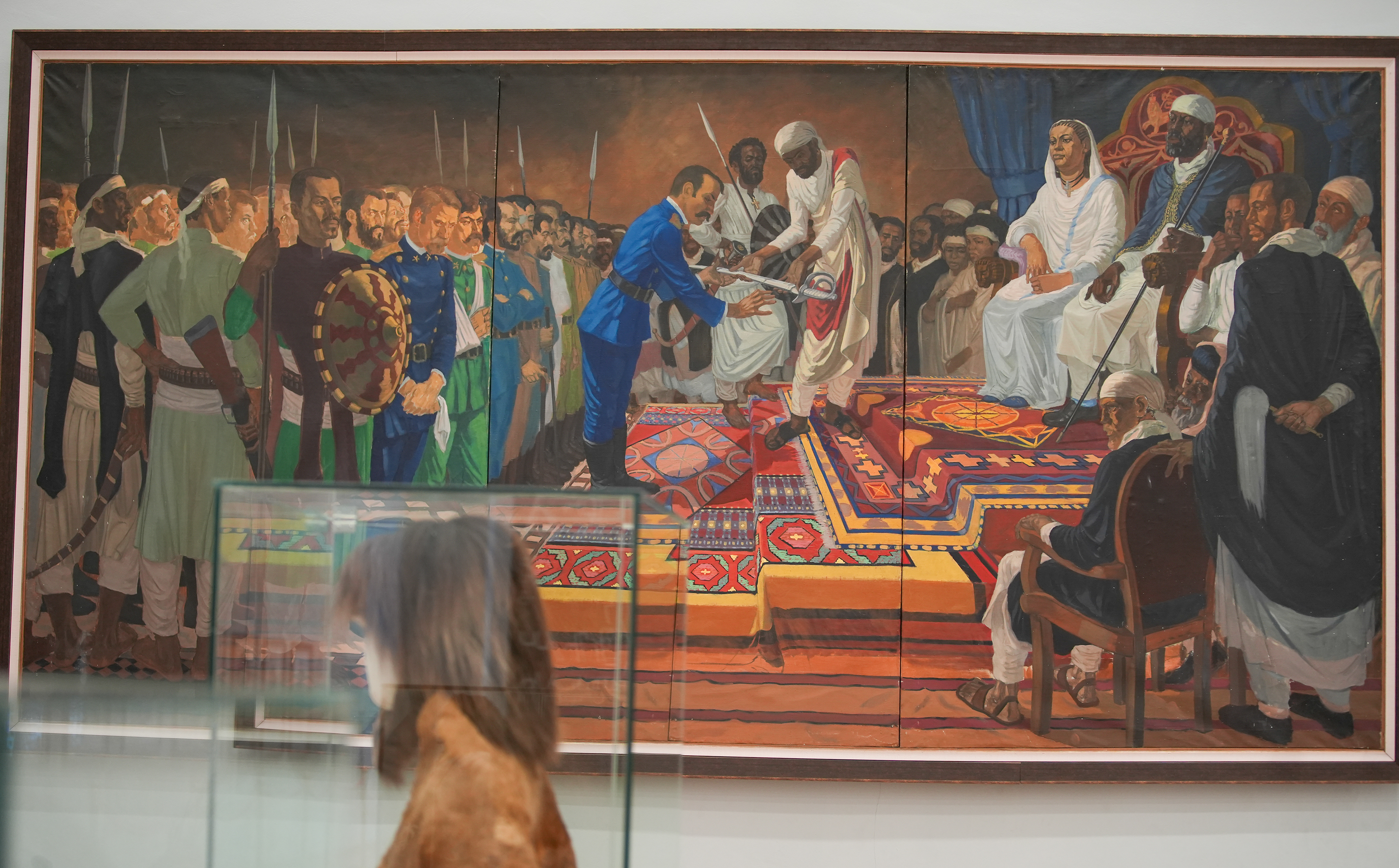
I had spent the previous months moving through Berlin and Gothenburg asking what decolonisation required of European museums. Addis forced another question on me: what happens when the language of resistance itself becomes authoritative?
That question changed the way I understood my entire TheMuseumsLab journey. I did not leave the programme with a model of the decolonised museum. I left with something less comfortable: museums can change their language faster than they change their power.
Provenance. Restitution. Participation. Co-creation. Community engagement. Decolonisation. These words matter. I use them myself. But none of them tells us, on its own, who can decide.
That is where my question begins: Who decolonises decolonisation?
Berlin: the colonial past can be acknowledged while authority remains intact
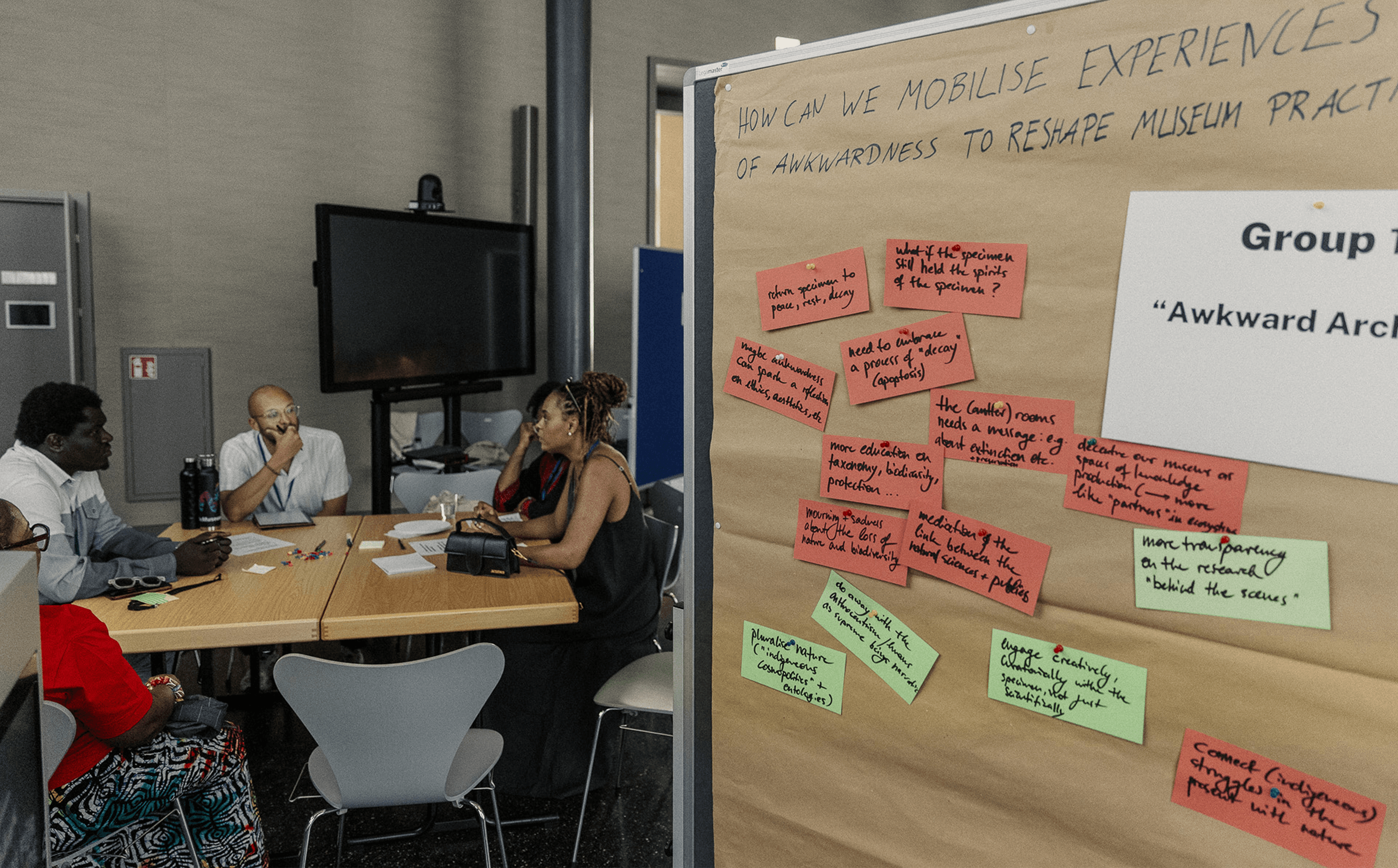
At the Museum für Naturkunde in Berlin, one of our sessions dealt with what were described as “awkward archives”. The phrase stayed with me.
We were not debating whether colonial violence had existed. The harder problem was what museums do once that violence has been acknowledged. Collections can be recontextualised, archives reopened, labels rewritten and provenance investigated. And yet the institution may still remain the final authority on what the material is, what it means and how it should be known.
The tension became sharper for me at the Humboldt Forum. Colonial histories and restitution were clearly part of the discussion, but I kept returning to one question: who has the right to redefine the meaning of collections whose earlier definitions were themselves produced through unequal relations?
That is where the issue stopped being only about possession. Museums also exercise power through description.
An attribution written decades ago. A geographical category. An ethnic label. A collector’s terminology. A provenance field. A photograph linked to a record. A note elevated over another source.
None of this has the visual force of an object behind glass. But these decisions travel. They enter catalogues, publications, exhibitions, research projects and new databases. They are copied, translated and repeated until an uncertain description begins to look like fact.
The showcase is visible. The database is less so. Both produce authority.
A museum can therefore begin to decolonise its display while leaving the architecture of its documentation largely untouched. That contradiction followed me to Sweden.
Gothenburg: when participation reaches the door of power
My residency at the Museum of World Culture in Gothenburg placed me in a different situation. Here, the discomfort did not come from an institution ignoring communities. On the contrary.
I encountered serious attempts to reconsider representation, collaboration and the relationship between the museum and the people whose cultures appear in its collections.
The Crossroads project brought these questions directly into our discussions. And precisely because participation was already present, another question became unavoidable:
Where does community authority stop?
A community may contribute knowledge about its heritage. Its members may take part in an exhibition, identify an item, tell its history, correct a description or explain an unfamiliar use. But what happens after the consultation? Can that correction change the permanent museum record? Can a community challenge the category under which something has been classified? Can it restrict information it considers culturally sensitive? Can it say that a museum’s description is simply wrong? Can it refuse the terms under which its knowledge is being incorporated?
These were not abstract questions for me. During those exchanges, I brought in the work we had already been doing at the CRDS in Saint-Louis through Un mois, une communauté, where collecting, exhibition, cultural practices and community knowledge were brought into the museum rather than treating communities only as visitors.
I was learning in Gothenburg, but I was not arriving from an empty museum landscape waiting to be instructed. I was comparing practices developed in very different institutional conditions and testing what I saw against what we were attempting in Saint-Louis. Sometimes the European experience opened possibilities for me. Sometimes my own experience in Senegal made me ask questions of what I was being shown.
That reciprocity matters because decolonisation cannot reproduce the old geography in which Europe produces concepts and Africa supplies experience. And it cannot stop at participation. Participation without authority is not power-sharing.
A database field can carry an old hierarchy very far
One of the encounters that pushed this question furthest was my exchange with my co-Fellow Sara Akhlaq.
Her work engaged with virtual access to fossil and archival material from the German Tendaguru Expedition of 1909–1913, as well as the racial and colonial biases carried by museum data. I was approaching related questions from another direction through SYDOCOM, the documentation system I was then developing around collections at the CRDS.
We were talking about digital access, artificial intelligence, archives and metadata. But underneath the technical vocabulary was an older problem: who has been authorised to produce the knowledge through which collections become legible?
In SYDOCOM, I was interested in something that conventional documentation systems do not always handle well: multilingual description, oral knowledge, community contributions, different levels of access and cultural protocols that cannot simply be flattened into one universal field. My conversations with Sara made the politics of that problem even clearer.
A database field looks innocent until we ask who had the authority to fill it. That is why I no longer see documentation as an administrative stage that comes after the “real” museum work.
Documentation is not what happens after the museum has decided what something is. Documentation is one of the places where that decision is made. And that changes the restitution debate.
Imagine that a heritage item returns to an African institution. The material item has moved. But its most complete historical dossier remains elsewhere. The photographs taken during its collection remain elsewhere. The correspondence surrounding its acquisition remains elsewhere. The terminology created by colonial administrators, ethnographers, missionaries or collectors continues to organise the digital record. Researchers in the country of origin still need permission from another institution to reconstruct its history.
Has authority travelled with the item? Not entirely.
This is why I increasingly use the idea of documentary sovereignty: the capacity of institutions and communities concerned not merely to receive information, but to participate in naming, correcting, documenting, interpreting and governing access to the heritage that concerns them.
Restitution changes geography. It should also change authority. Otherwise, part of the colonial arrangement survives the return.
Addis Ababa: an African narrative is not automatically an innocent narrative
Addis brought me back to the other side of the problem.
The Adwa Memorial Museum tells a history that deserves to occupy a powerful place in African memory. The Ethiopian victory over the Italian army in 1896 disrupted the colonial fantasy of inevitable European domination and became a reference far beyond Ethiopia.
Nothing in my criticism diminishes that history.
But the debate that followed our visit reminded me why sovereignty over one’s own narrative must not become immunity from criticism. When the presentation of Menelik II as a “father of Pan-Africanism” was challenged, the disagreement revealed competing ways of organising the past. Other trajectories of Pan-African thought and mobilisation appeared. So did the risk of compressing a complex history into a lineage that is cleaner than the history itself.
That moment disturbed a comfortable map of decolonisation.
If European museums can simplify African history through colonial categories, African museums can also simplify African history through national mythology. A narrative of resistance can silence. A heroic narrative can remove ambiguity. An institution speaking from Africa can also decide that some contradictions are inconvenient.
The point is not to create a false equivalence between colonial domination and contemporary African museum narratives. Their histories, powers and responsibilities are not the same. The point is more demanding:
Africa does not become intellectually sovereign by making its narratives unquestionable.
A sovereign narrative should be strong enough to contain disagreement. Otherwise, decolonising history risks becoming the substitution of one authorised version for another.
We change the narrator. The relationship to authority survives.
I called the song Debate and Unity
At the end of my TheMuseumsLab journey, I wrote a song. I called it Debate and Unity.
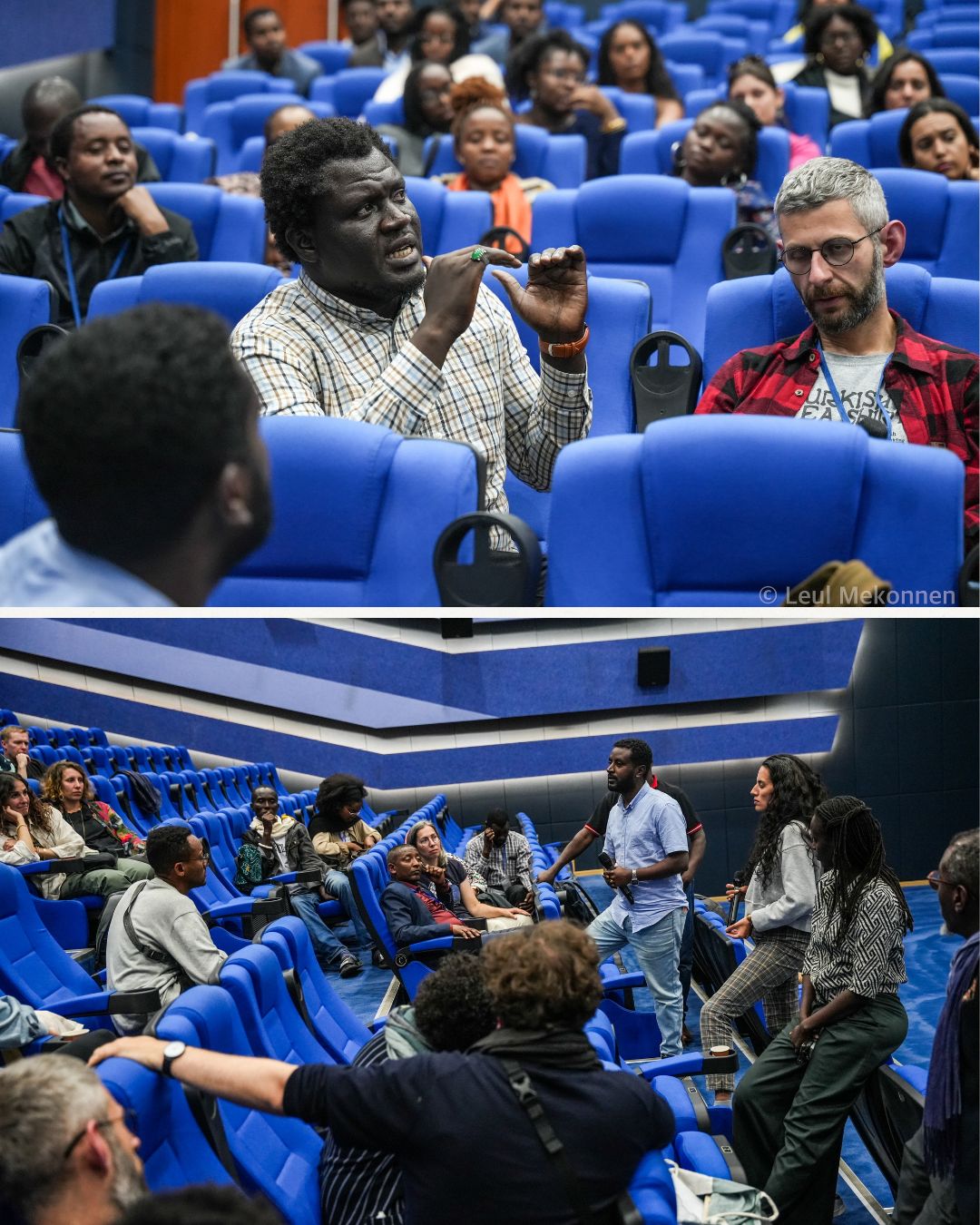
It came from something very real in our cohort. Around the tables, we disagreed — sometimes strongly — about restitution, colonialism, ownership and the past. The song itself remembered ideas colliding while respect remained possible.
A year later, I hear its title differently.
I still value unity, but I am more interested in the conditions that make unity worth having. If unity requires the disappearance of disagreement, it is not particularly useful to museums.
What I value more is the possibility of remaining around the same table while refusing to pretend that our positions are identical. African and European museum professionals do not enter conversations on colonial collections from the same historical position. Institutions do not carry equal responsibility. Communities and museums do not hold equal power merely because they have been invited into the same project.
TheMuseumsLab mattered to me precisely because it created situations in which some of these differences could collide rather than disappear behind diplomatic language. The challenge is to push that principle further. Critical reflection cannot end when the vocabulary becomes correct. It must be able to reach the institution organising the conversation, the institution hosting the Fellow — and the Fellow himself.
Otherwise, critical reflection risks becoming choreography.
Then the question came back to Saint-Louis
Returning to the CRDS made all of this less comfortable, because colonial documentation is not only a European problem.
African museums have inherited inventories, classifications, institutional habits and documentary categories produced through colonial histories too. If I demand that Berlin interrogate the authority embedded in its catalogues, I cannot treat an inherited category as neutral simply because the catalogue is now in Saint-Louis.
If I ask European institutions to share authority with communities, I have to ask what happens when communities enter my own museum. Are we collecting their words, or can their knowledge actually change our record? Can somebody outside the museum correct the museum and have that correction remain visible? Can an inherited attribution be questioned without the institutional version automatically winning?
These questions became even more concrete one year later, when the CRDS itself hosted TheMuseumsLab Fellows.
The position had reversed. I was no longer only walking through museums in Berlin or Gothenburg, asking what they were prepared to change. Others were entering ours. That reversal matters to me because decolonisation becomes easy when it is always somebody else’s homework. It becomes much more serious when the question reaches your own reserve, your own catalogue, your own exhibition, your own database and your own authority.
I do not think TheMuseumsLab gave me a model of the museum we should build, and I am glad it did not. It gave me better questions.
Today, when somebody tells me that an exhibition is participatory, I want to know what participants can decide. When an institution announces a restitution, I want to know what happens to the documentation. When a database claims to describe a collection, I want to know who can correct it. When an African museum claims sovereignty over its history, I want to know whether that history can still be contradicted.
And when a museum tells me that it is decolonising, I increasingly want to ask one simple question:
What power are you prepared to give up?
Because the decisive issue is no longer only who owns the heritage. It is also who has the authority to name it, document it, correct it, interpret it — and, when necessary, refuse the terms imposed on it.
Restitution is unfinished if that authority does not move.
And until the right to name travels with what is returned, we should be careful about declaring anything decolonised.
The Author
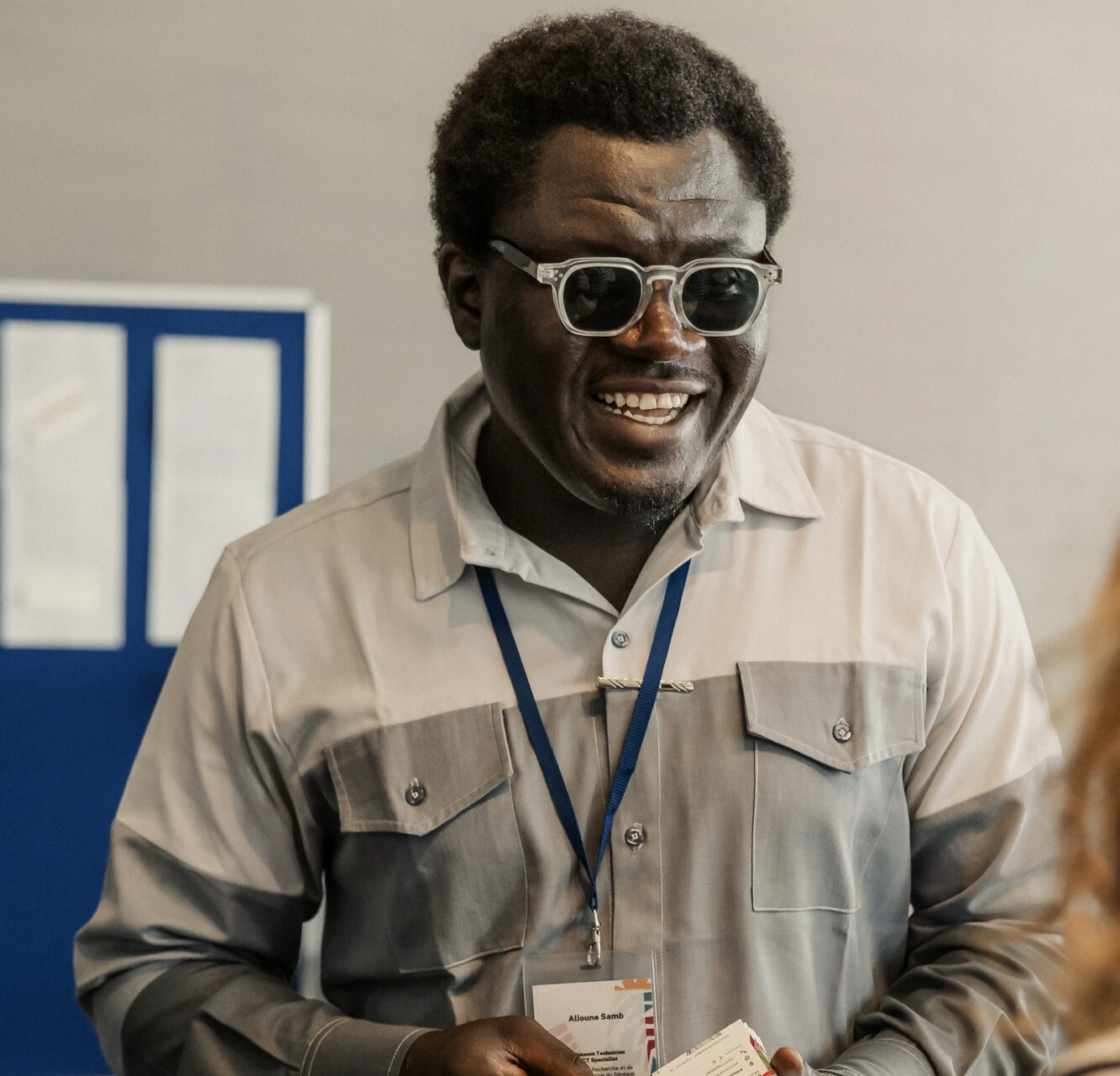
Alioune Samb
Museum Curator and Head of the Conservation and Documentation Unit
Centre de Recherche et de Documentation du Sénégal (CRDS)
TheMuseumsLab Alumnus & Residency Host
Alioune Samb is a museum curator and Head of the Conservation and Documentation Unit at the Centre de Recherche et de Documentation du Sénégal (CRDS), Université Gaston Berger, Saint-Louis. His work focuses on museum documentation, provenance research, restitution, documentary sovereignty and community authority in the production of knowledge around African collections. He was a TheMuseumsLab Fellow in 2025 and contributed to the CRDS’s hosting of TheMuseumsLab Fellows in 2026.
Related Articles
A Song for TheMuseumsLab by Alioune Samb
"My artistic tribute to this transformative journey and to everyone who made it possible"
Read more