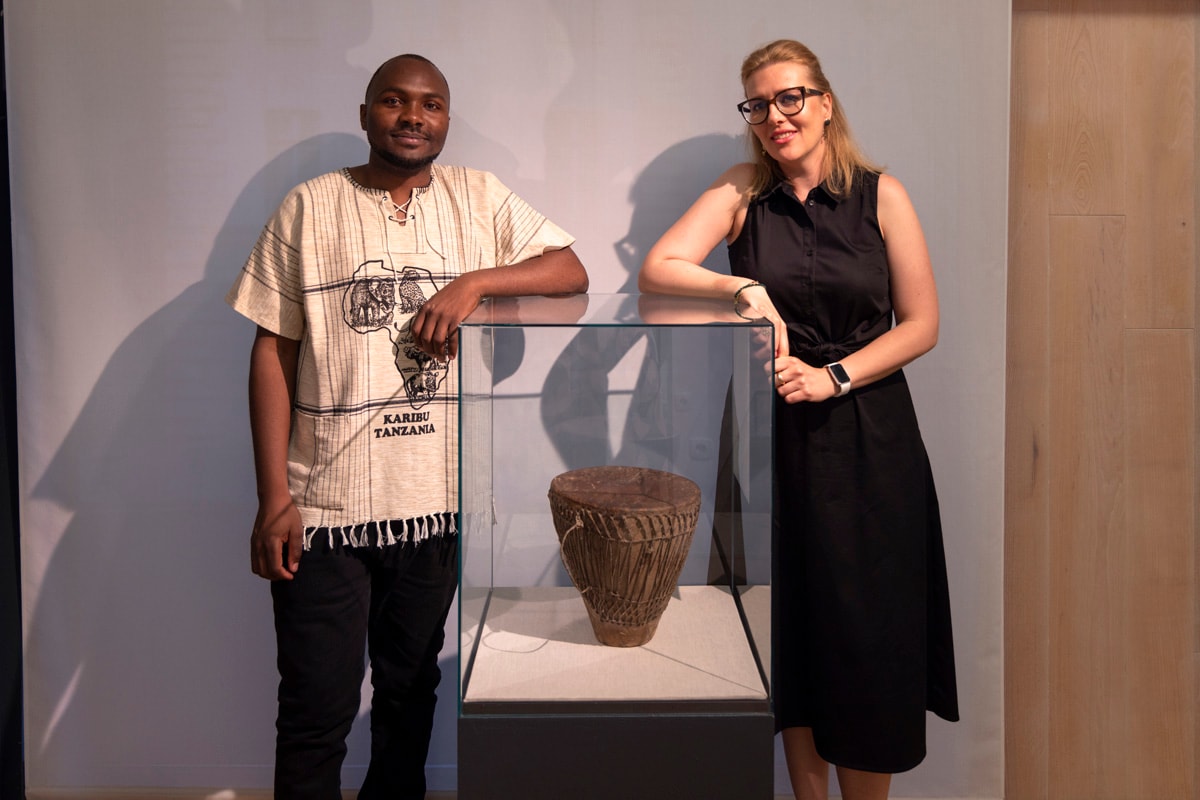
Tracing Colonialism: Exhibition Opening, Discussions, and Workshops | CollabFund
An insight into the CollabFund project Tracing Colonialism: Tanzanian Collection in Slovenia by Eliabu Mbonimpa.
The goal of the Tracing Colonialism: Tanzanian Objects in Slovenia project was to explore the collection of Stanko Grom, a Slovenian who worked in Tanganyika, then a British colony, between 1937 and 1962. We were keen to examine both the historical context surrounding the acquisition of these objects and contemporary perspectives on them. To achieve this, curators from two institutions – Eliabu Mbonimpa from the Iringa Boma Regional Museum and Cultural Centre, alongside Tina Palaić and Marko Frelih from the Slovene Ethnographic Museum – joined forces to research the collection and co-create the exhibition.
Preparation for the exhibition began several weeks before the opening. During this period, the exhibition content was developed through provenance research, object selection, artwork production, text writing, and close collaboration with the exhibition designer. The aim was to present historical research and contemporary artistic responses in a clear and engaging way, while encouraging visitors to reflect on the lasting impact of colonialism on Tanzanian society and the traces of the colonial project in Slovenia—a European periphery that was similarly entangled in the colonial ambitions of Western empires. Additionally, the exhibition sought to highlight the importance of provenance research.
The exhibition titled Tanzania: Between the Shadow of Colonialism and Contemporary Perspectives introduced visitors to selected aspects of Tanzania's history, focusing on the exploitation of natural resources, specifically the former sisal plantations in Tabora and the former mines of Mpanda. It also presented selected objects from the Grom Collection at SEM together with findings from the provenance research and a short relation of him to Tanzania. The final section featured contemporary artworks by Mr Mbonimpa, offering artistic reflections on colonialism, memory, and current discussions on decolonisation. The exhibition attracted considerable media attention, spanning television, radio, and print.
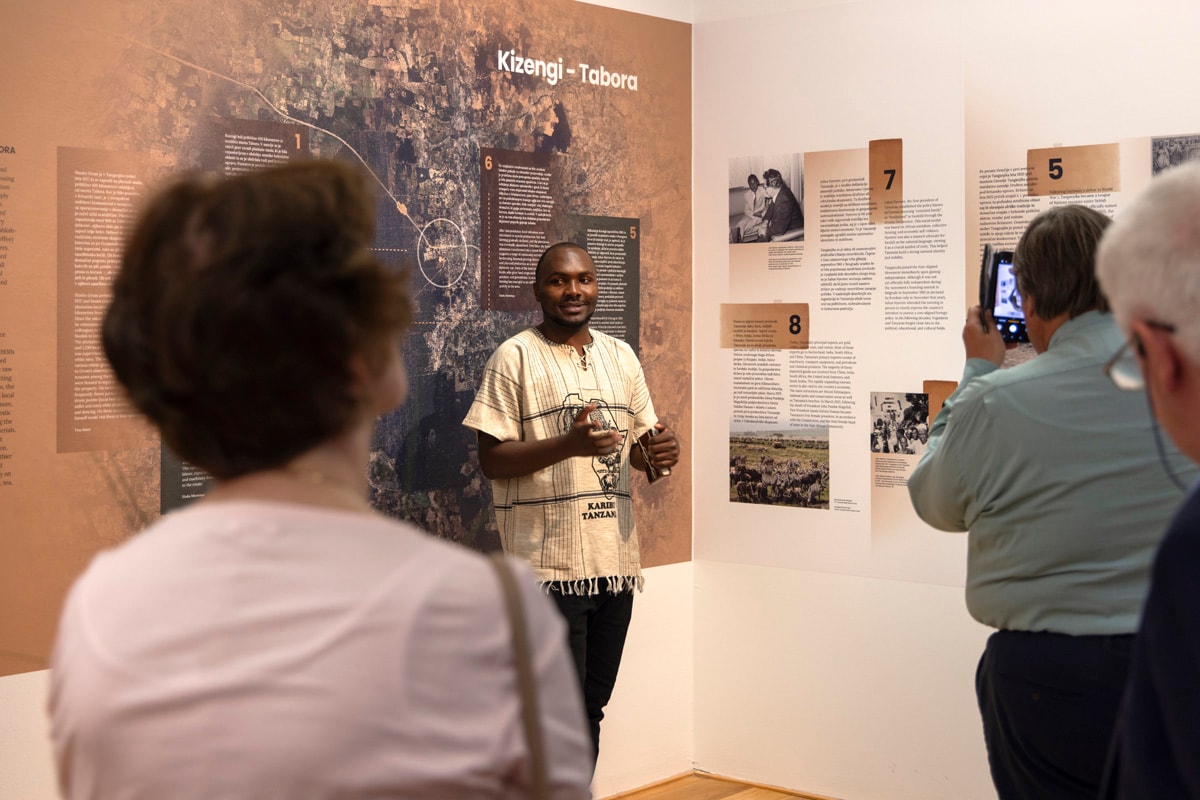
The exhibition opened on June 18 at the Slovene Ethnographic Museum (SEM) in the museum's hall. The event brought together approximately 60 people, including invited guests, museum professionals, artists, researchers, and another interested public. During the opening programme, visitors were introduced to the project and to the collaboration between the project team members, including how the partnership began and the different roles each contributor played throughout the project. The exhibition was officially opened by the Deputy Director of the Slovene Ethnographic Museum, followed by a guided tour led by Eliabu Mbonimpa. The opening was accompanied by live performances from Seydou Yoni Kouyate (Senegal), playing the kora, and Tina Sovič (Slovenia), performing on the buča (gourd), creating a welcoming atmosphere for visitors. The guided tour developed into open discussions throughout the exhibition, giving visitors the opportunity to ask questions and exchange ideas with the curatorial team. These conversations helped explain the provenance research, the historical background of the objects, and the wider objectives of the project.
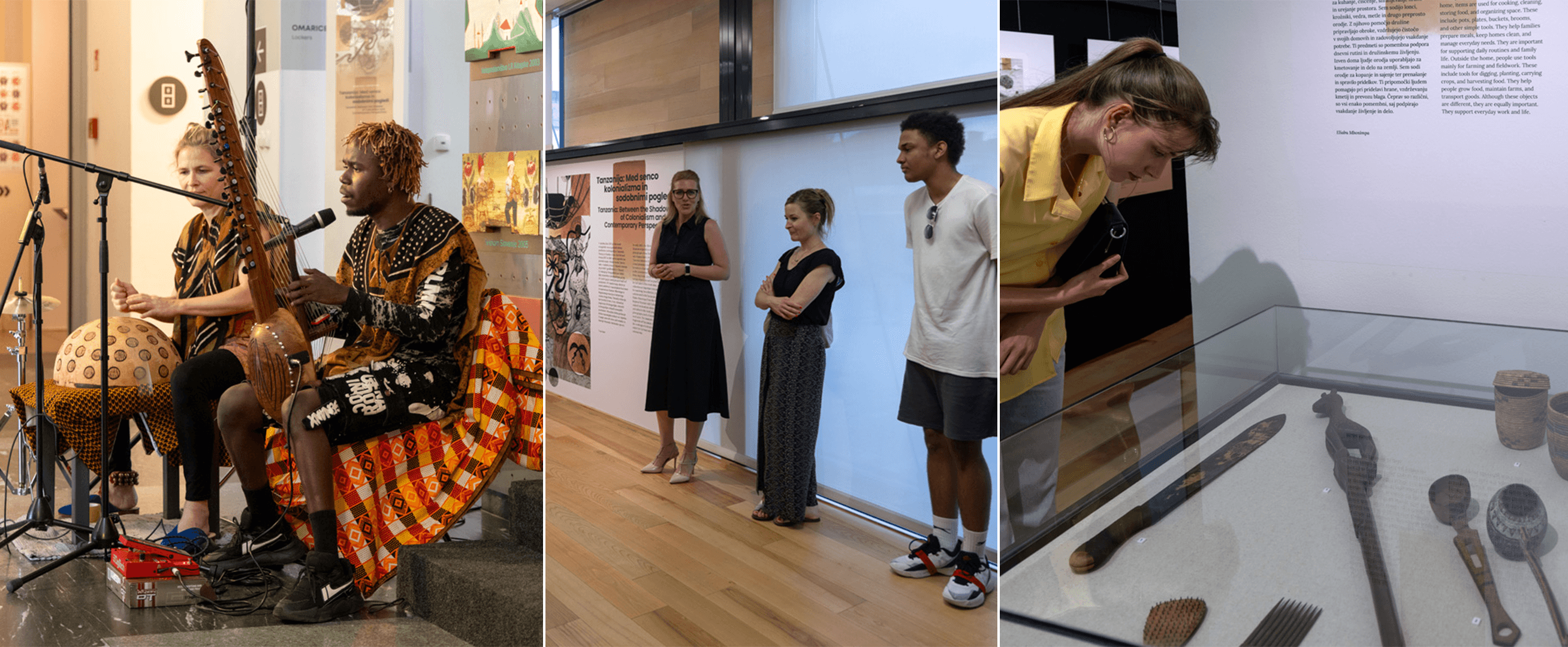
To strengthen public engagement, two creative workshops were organised alongside the exhibition. The first workshop, designed for children and titled Tanzanian Stories in Coffee - Creating with Colours of Nature, took place on May 17, 2026. Twelve children participated, accompanied by several parents. The workshop introduced participants to Tanzania through discussions on crops such as sisal, coffee, cocoa, and cashew nuts, as well as important landmarks including Mount Kilimanjaro, Serengeti National Park, and Zanzibar. Children were also introduced to selected museum objects featured in the exhibition, and learned about their original use and cultural significance. Inspired by these stories, they created their own artworks using coffee and then presented their work to the group. The activity encouraged creativity while providing valuable insights into how children understood and interpreted the topic. The second workshop took place on June 20, 2026 during Museum Summer Night, an annual cultural event celebrating museums and galleries by offering free late-night access and special public programming. Although heavy rain delayed many arrivals until later in the evening, the event ultimately welcomed approximately 50 visitors. It was originally planned for adults, however the workshop naturally became an intergenerational activity, welcoming participants of all ages, including families with young children. Held inside the exhibition, the workshop combined creative practice with informal discussions throughout the evening. Eliabu and Tina remained present throughout the event, facilitating conversations, answering questions, and encouraging participants to engage with both the exhibition and one another. The workshop continued until midnight, with several participants wishing to continue even after the museum closed. Discussions focused on colonial history, its lasting effects, and contemporary perspectives on colonialism and decolonisation, creating a space where visitors could share experiences, reflect on different viewpoints, and connect historical collections with present-day issues.
The exhibition opening, audience discussions, and workshops successfully expanded public engagement beyond the exhibition itself. Together, these activities created opportunities for learning, dialogue, and creative participation, making the provenance research accessible to diverse audiences while encouraging meaningful conversations about colonial history, cultural heritage, and the role of museums in contemporary society.
The Author
Eliabu Mbonimpa
Provenance researcher on the selected objects and artistic production as methods of interpretation and public engagement
TheMuseumsLab Alumnus
The initiative TheMuseumsLab CollabFund is funded by the Kulturstiftung des Bundes (German Federal Cultural Foundation).

Related Articles
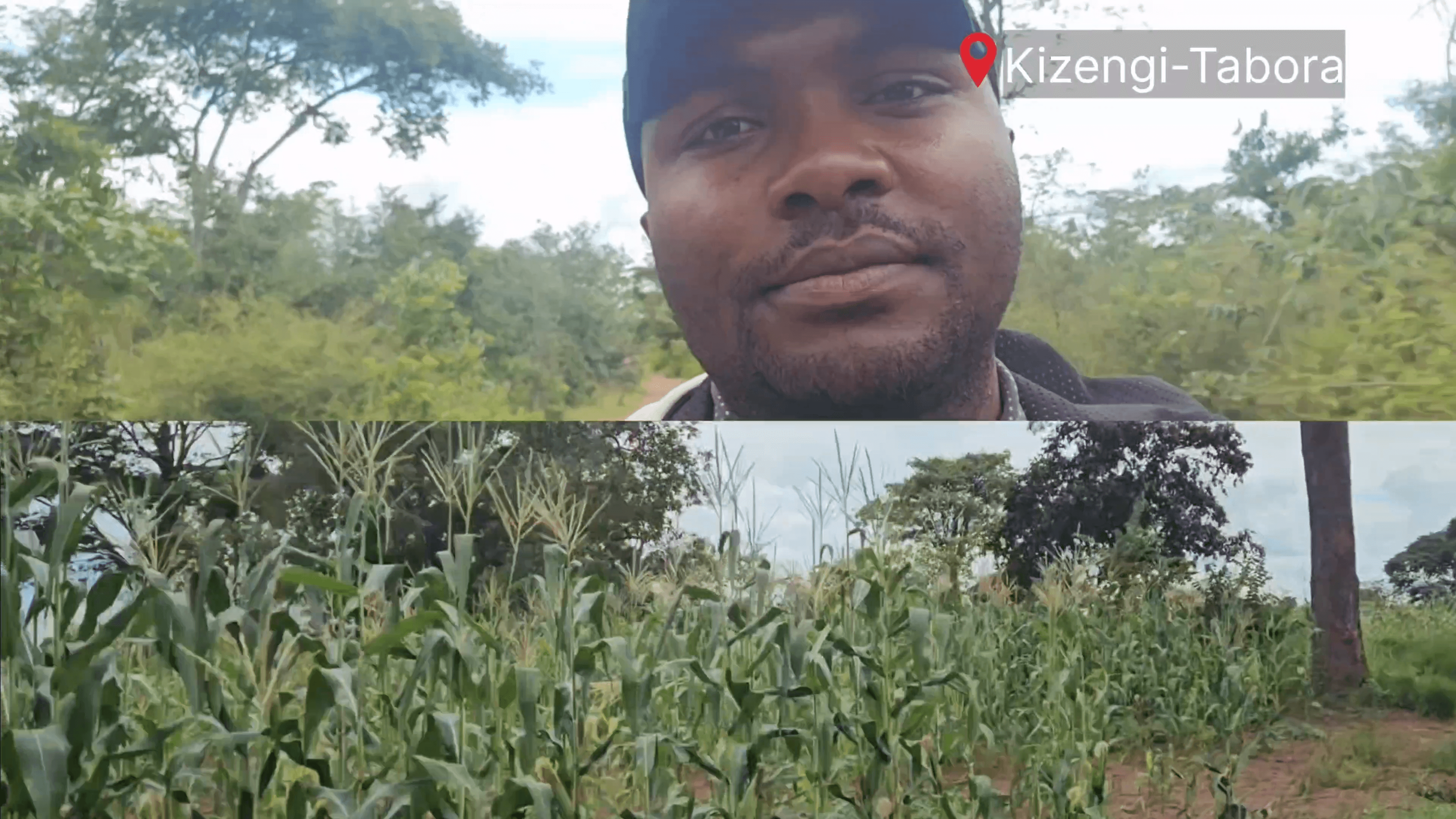
Community Collaboration and Provenance Research in Tanzania | CollabFund
A video insight by Eliabu Mbonimpa on a field journey through Tanzania retraces the routes of Slovenian collector Stanko Grom. Through conversations with local communities, museum professionals, and artists, the project Tracing Colonialism opens new perspectives on the collection and its contemporary relevance.
Read more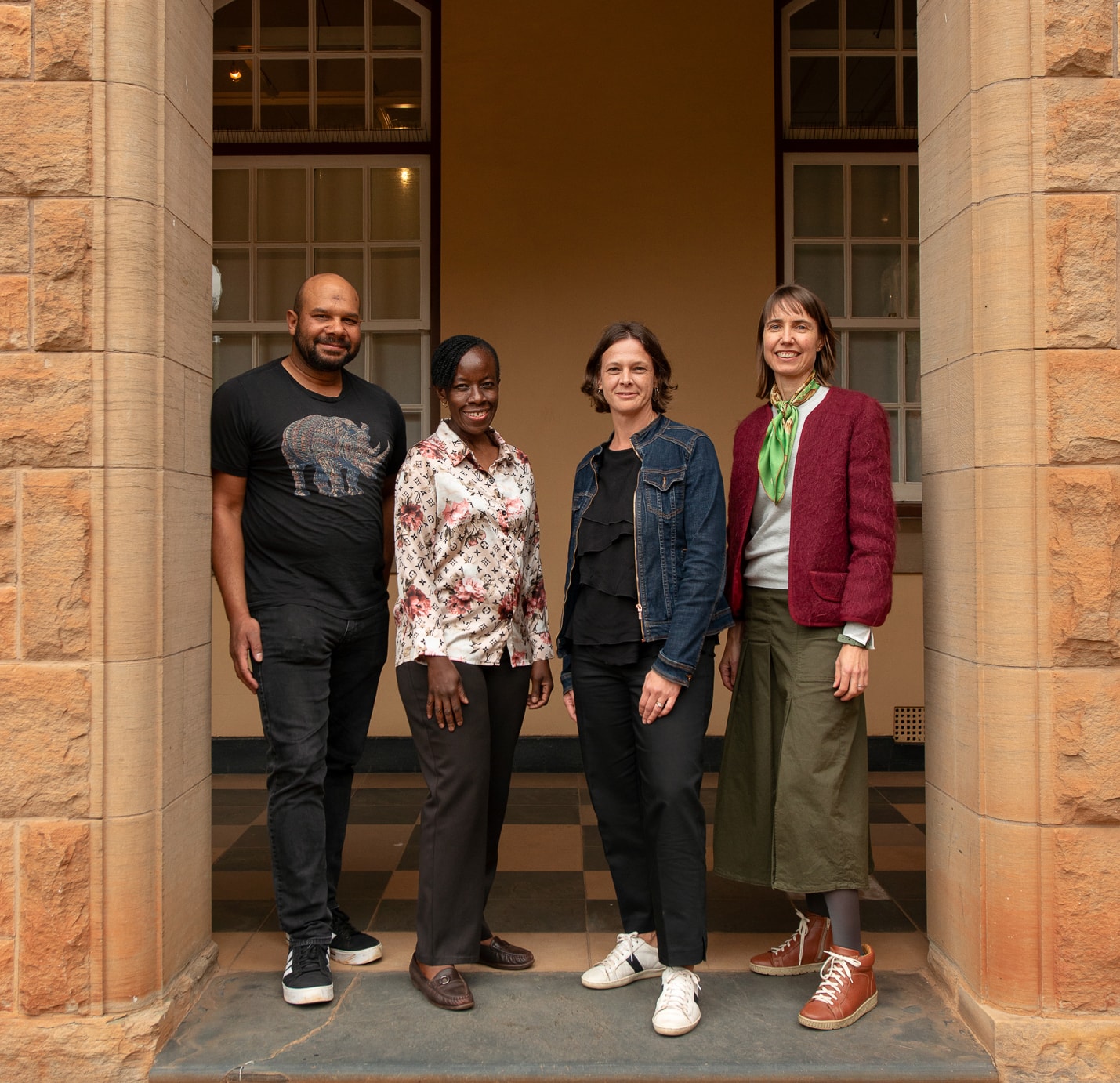
Building Emotional Connections with Rhinos Through Poetry | CollabFund
Co-MammalHub returned in April with a rhino-themed line-up of talks, poetry readings and poetry workshops in Pretoria.
Read more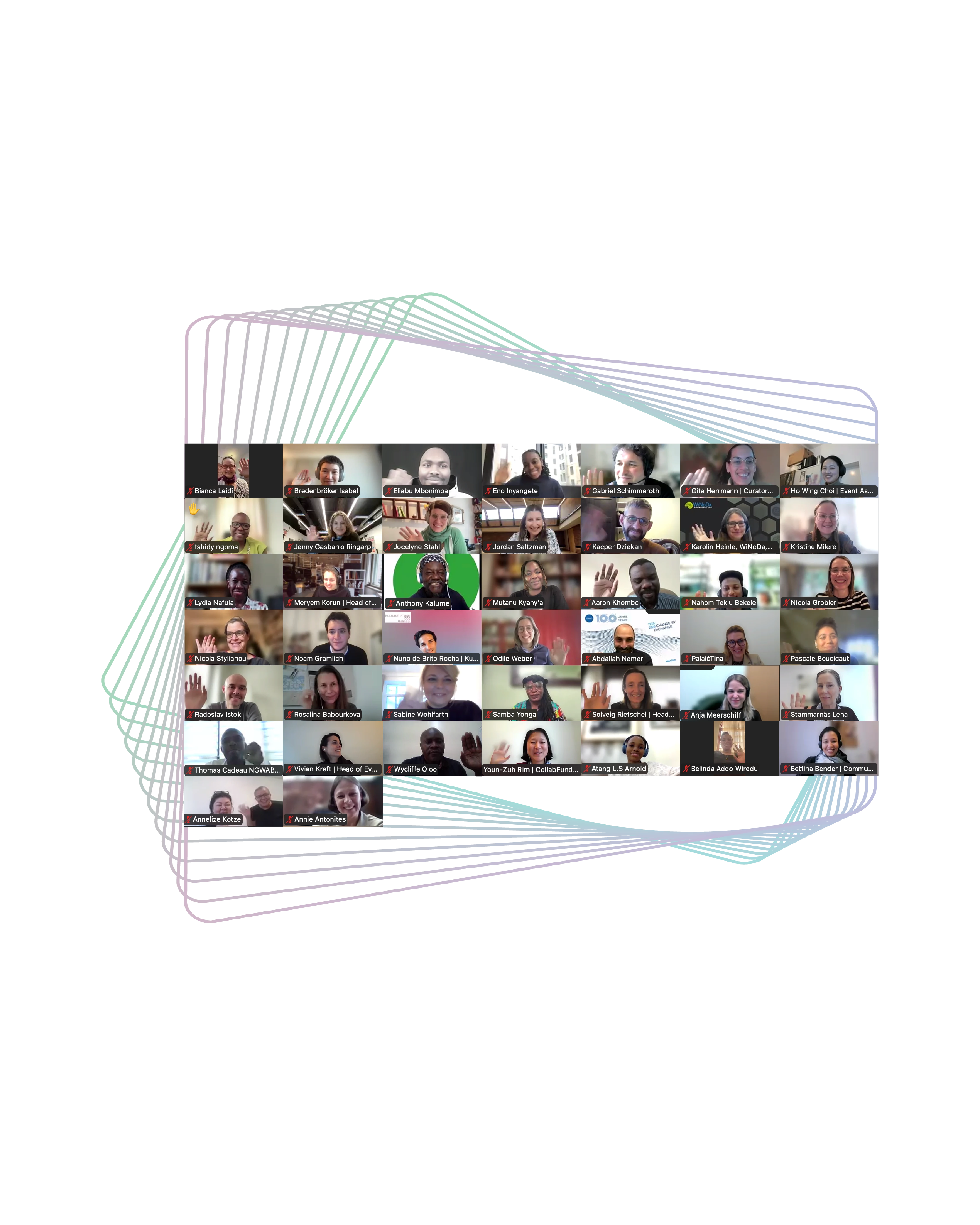
CollabFund Networking Forum 2025: A Day of Collaboration and Exchange
On 20 November 2025, the CollabFund Networking Forum brought together the seven selected CollabFund project teams for a structured programme of presentations, discussions and networking opportunities. The forum aimed to provide visibility for the funded projects and enable focused interaction between the project teams and a transcontinental professional audience.
Read more