The Architecture of Shared Memory: Reflections on Module 1
Participating in Module 1 of TheMuseumsLab has been a deeply transformative experience, forcing me to interrogate the very infrastructure of how we preserve who we are. Moving through heavy, vital dialogues, from Germany’s deeply structured memory culture to the profound resilience of Rwandan cultural institutions, the cohort constantly circled a fundamental question: How do societies organize memory? Is it a task that must always be outsourced to centralized, national institutions, or can memory exist differently, breathing outside the strict geometry of concrete and state control?
As an architectural researcher currently exploring these dynamics through my project "City as an Archive," these workshops felt less like abstract academic exercises and more like a mirror to my own questions. We are often taught to equate memory with authority, relying on monumental structures to keep history from collapsing into chaos. Yet, as Sandra Shenge beautifully noted during our sessions, "Memory culture is not static, it evolves." If it is a living, evolving entity, then it cannot be permanently trapped within institutional walls.
This friction becomes incredibly sharp when comparing regional realities. Rwanda powerfully demonstrates the necessity and immense power of institutionalized memory in the wake of tragedy, utilizing structured spaces to foster national resilience. Conversely, the recent history of Somalia reveals the fragile, painful consequences when those formal architectures are absent or disrupted.
But this contrast forces us to dig beneath the surface: Is the absence of a museum or an archival institution truly an absence of a narrative? Can a nation without functioning formal institutions still possess a vivid, collective historical consciousness?
The answer, I believe, lies in looking at the city itself. When a centralized archive does not exist, the street corners, the oral testimonies, the architectural ruins, and the domestic spaces step in to do the work. A nation does not lose its consciousness simply because it loses its cataloging system; rather, the historical narrative becomes decentralized, carried collectively by the people.
Module 1 reminded us that the ultimate challenge for the modern cultural sector is to find the balance: learning how to honor collective memory without letting it dissolve into chaos, while simultaneously ensuring it doesn’t harden into rigid state authority. If memory culture is to evolve, our definition of what constitutes an "archive" must evolve with it.
The Author
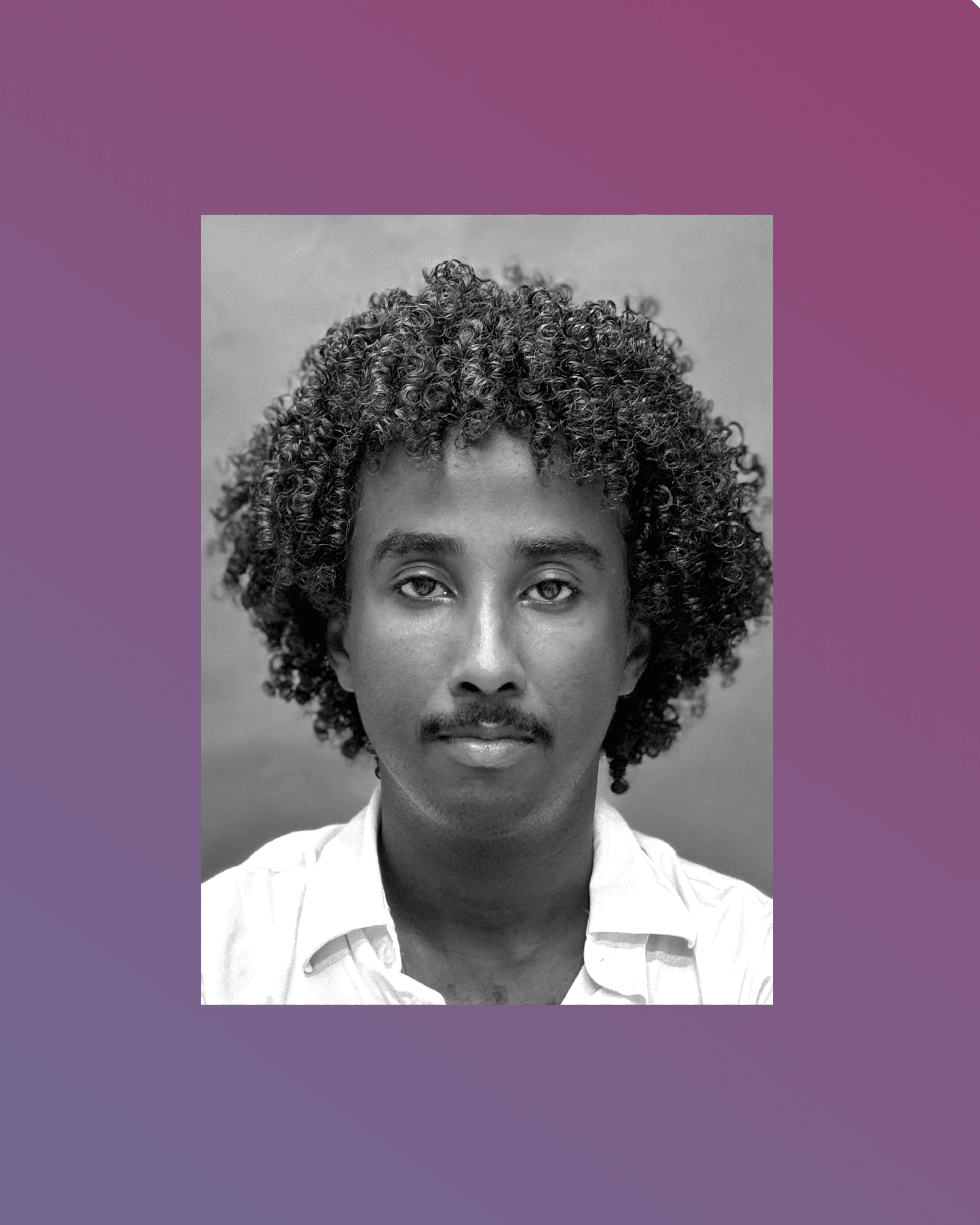
Mahad Mohamed
Curator and Programmes Officer
Somali Arts Foundation (SAF)
TheMuseumsLab Fellow 2026
Instagram Profile
Related Articles
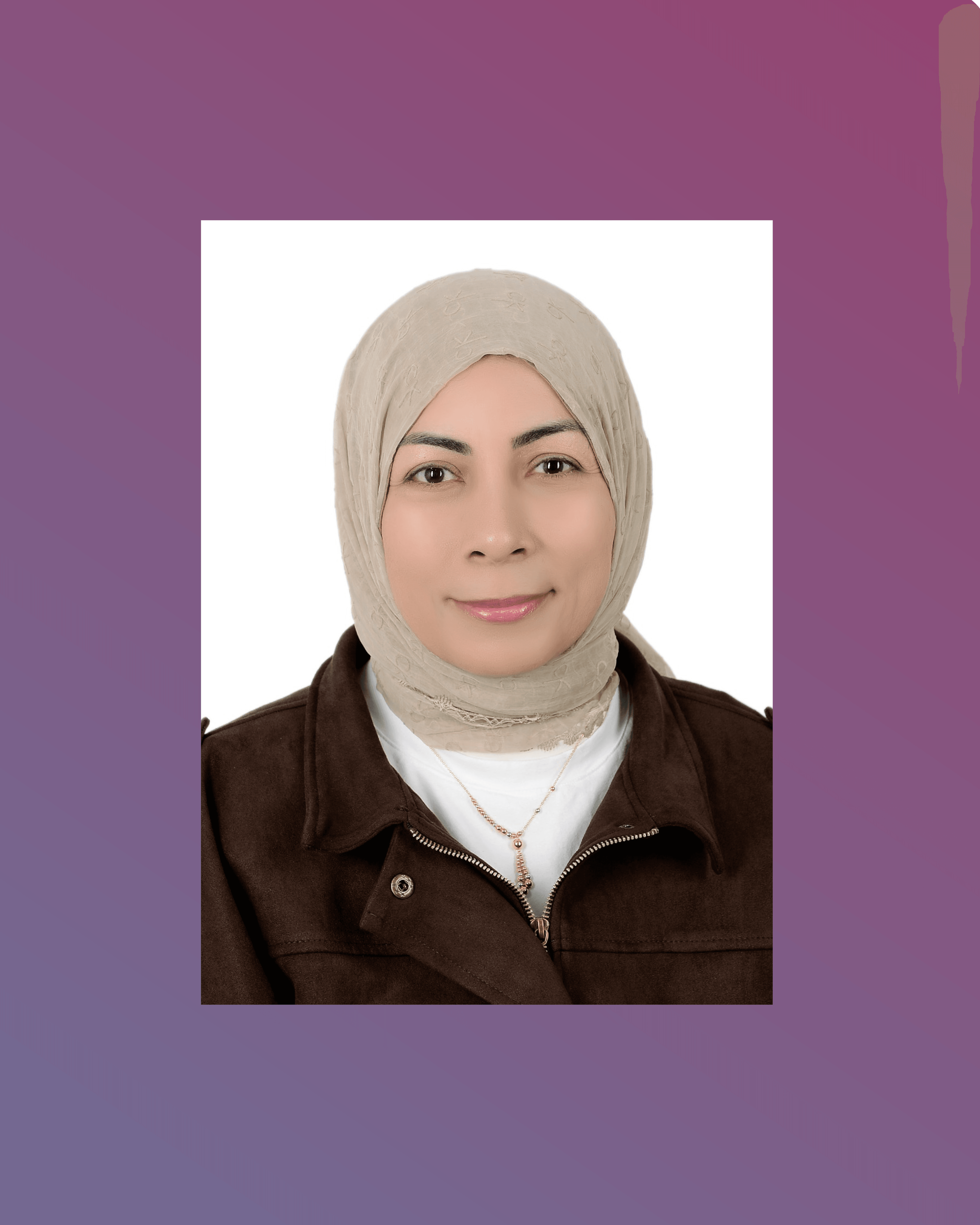
Keeping Memory Alive: How Museums Help Future Generations Remember What They Never Lived
A reflection on Module 1 of TheMuseumsLab 2026 by Dr. Samar El Khamisy, exploring how cultural institutions help future generations understand events they never lived through, ensuring that difficult histories remain a source of empathy, resilience, and shared responsibility rather than silence and forgetting.
Read more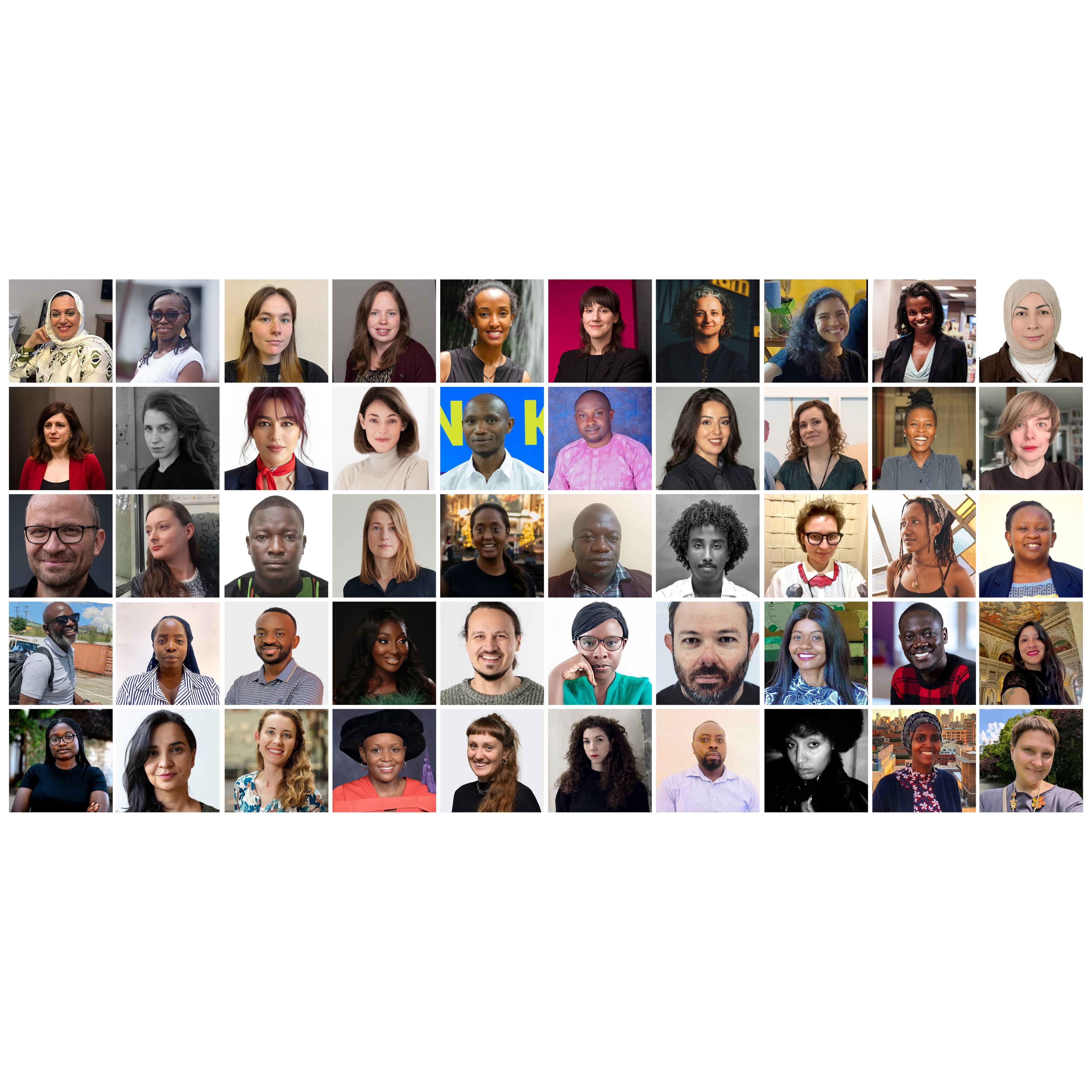
Welcoming the Fellows of TheMuseumsLab 2026
50 Fellows from 31 African and European countries join TheMuseumsLab 2026, bringing diverse perspectives, expertise, and approaches.
Read more