Curatorial Team
Meet this year's curators and learn more about their backgrounds and expertise.
Read more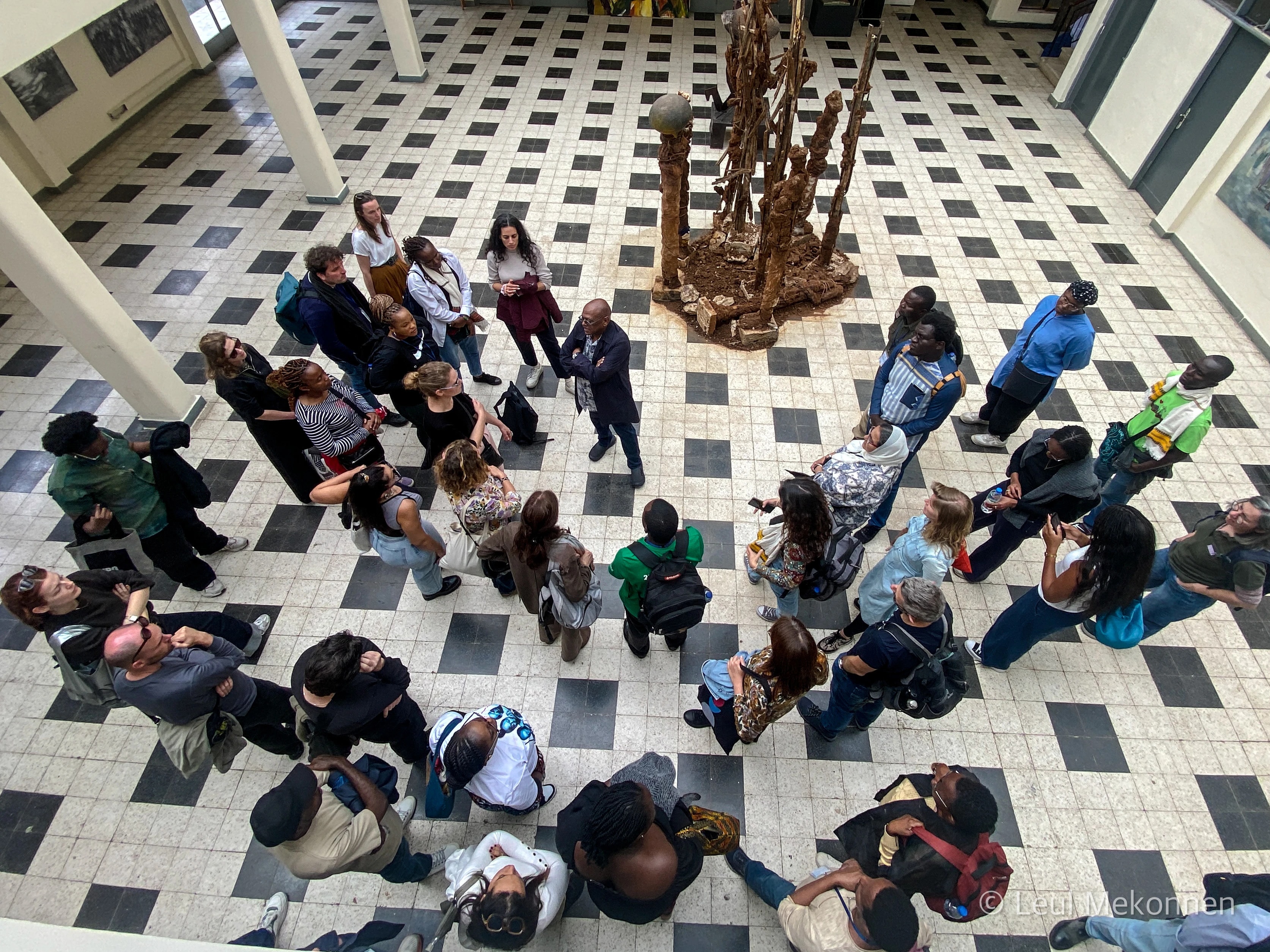
This year’s programme invites museum professionals to reimagine museums as places of dialogue, repair, and transformation: spaces that highlight different histories and perspectives, foster community engagement, and support processes of justice and reconciliation. Through workshops and case studies, participants will explore how museums can translate memory into resilience and contribute to building more inclusive futures.
Kick-Off ・ 1 Day | Online
Held online in the morning, the internal Kick-Off marks the official start of TheMuseumsLab 2026. In the afternoon, the programme transitions to the Public Kick-Off. This digital event is livestreamed on YouTube.
Module 1・1 Week | Online
The first module establishes the historical, conceptual, methodological, and collaborative foundations for TheMuseumsLab 2026. Conducted entirely online, it serves as a foundation for the on‑site phases in Berlin and Kigali by introducing relevant initiatives and mapping key debates.
Module 2・1 Week | Berlin, Germany
Building on the foundation established in Module 1, Module 2 brings the Fellows together in Berlin to deepen conversations, explore new contexts, and engage directly with exhibitions, curators, artists, activists, and public spaces.
Module 3・1 Week | Kigali, Rwanda
Building on the conversations in Module 1 and 2, Module 3 brings the Fellows together in Kigali to deepen conversations, explore new contexts, and engage directly with exhibitions, curators, artists, activists, and public spaces.
Residencies・1 Week | African or European partner museum
A one-week Residency at one of our partner museums in Africa and Europe provides further opportunities to share visions and approaches, and to build long-term relationships.
Closing Event・1 Day | Online
The Closing Event marks the official conclusion of the programme, creating space for reflection, exchange, and future perspectives.
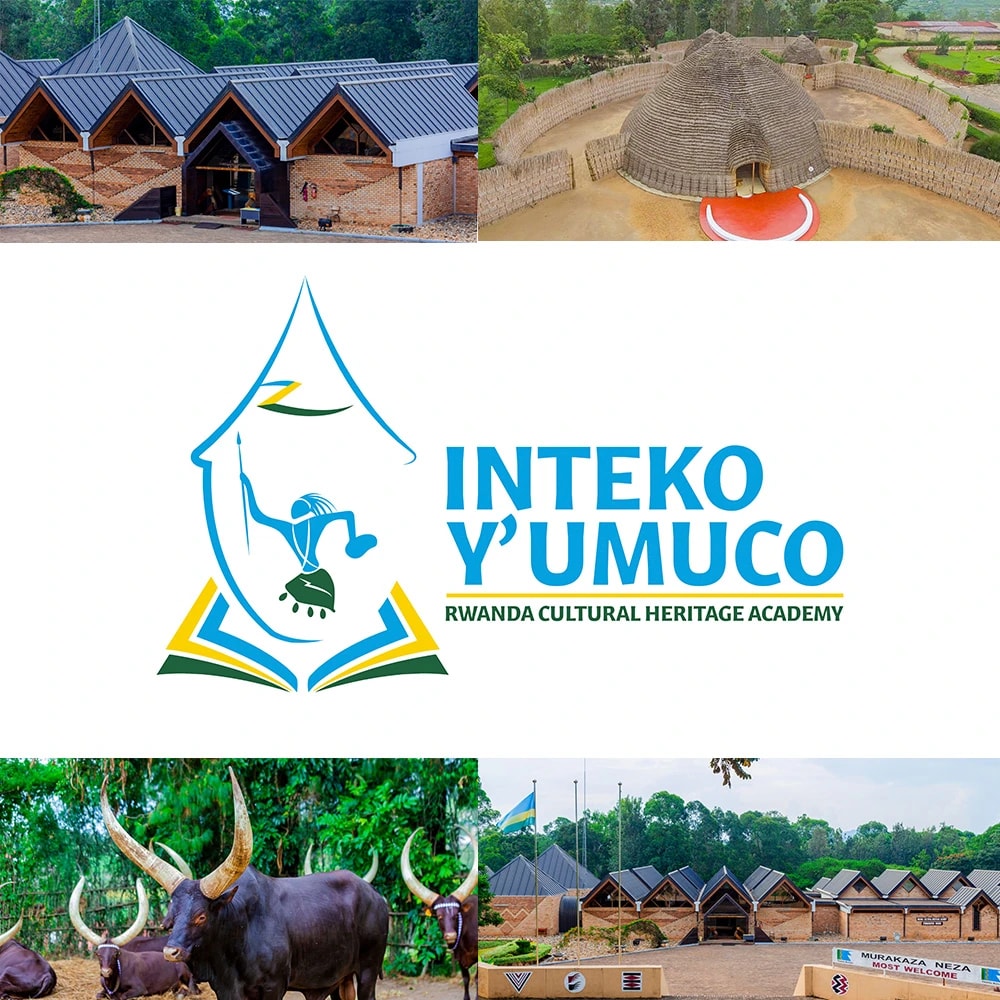
In 2026, four Co-Curators based at an African and a European museum collaborate to develop the content of the programme. The African curators, Jean de la Croix Mbarubukeye and Thomas Cadeau Ngwabije, are based at the Rwanda Cultural Heritage Academy (RCHA). The European curators, Gita Herrmann and Matthew Watts, are part of TheMuseumsLab Team at the Museum für Naturkunde Berlin (MfN). They collaborate closely with stakeholders from the museum, heritage, and cultural sectors within their respective regions.
Meet this year's curators and learn more about their backgrounds and expertise.
Read more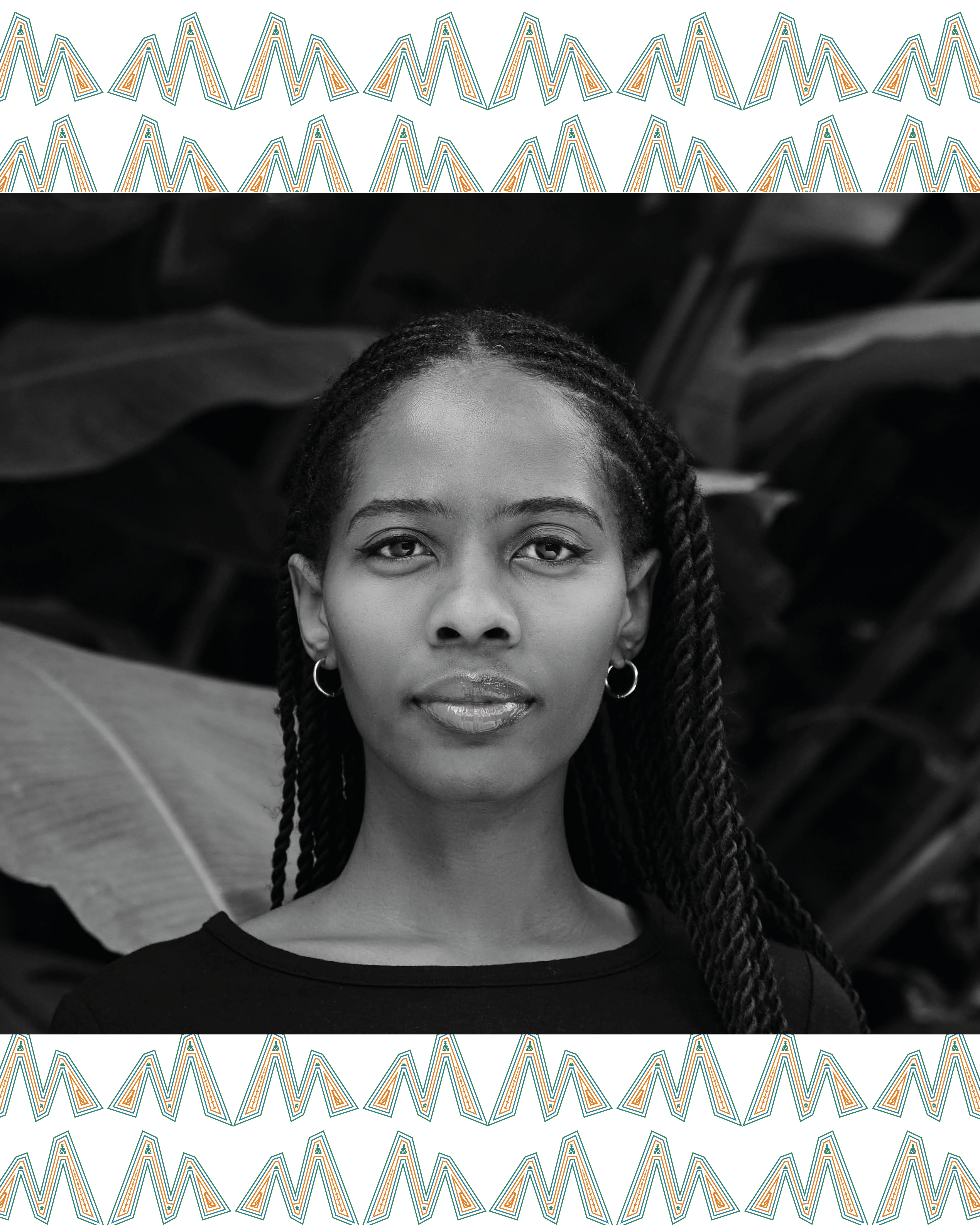
Logo design bridging perspectives with Rwandan Imigongo art, museum symbols, and TheMuseumsLab elements, by Rwandan artist Odile Uwera.
Read more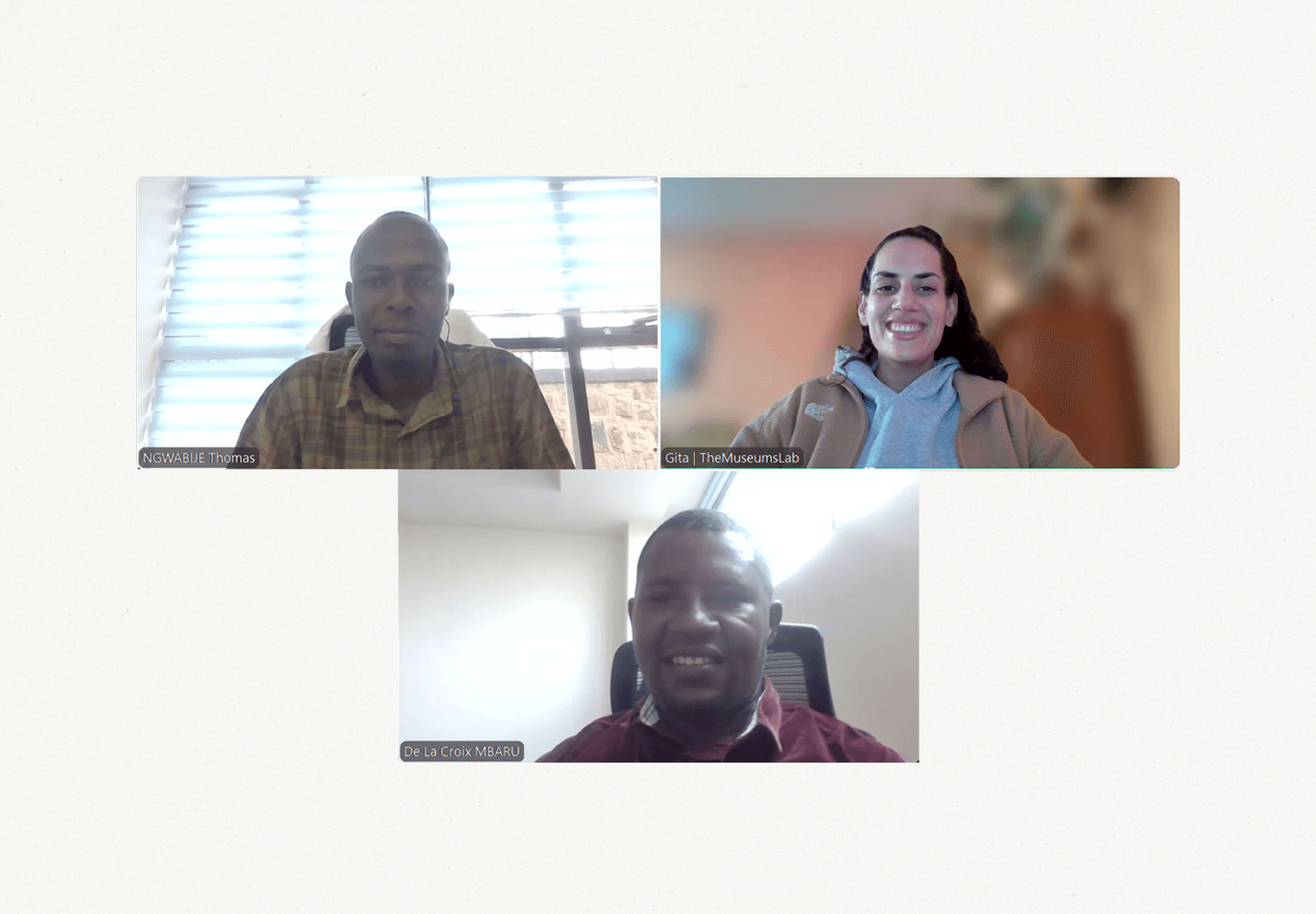
Behind the scenes with TheMuseumsLab’s Curatorial Team: Insights from our Co-Curators
Read more
We are looking for a Rwanda-based graphic designer to redesign the M-visual of our logo for the 2026 programme.
Read more
Rwanda · Programme Partner
Germany · Programme Partner
Programme Partner
Germany · Programme Partner