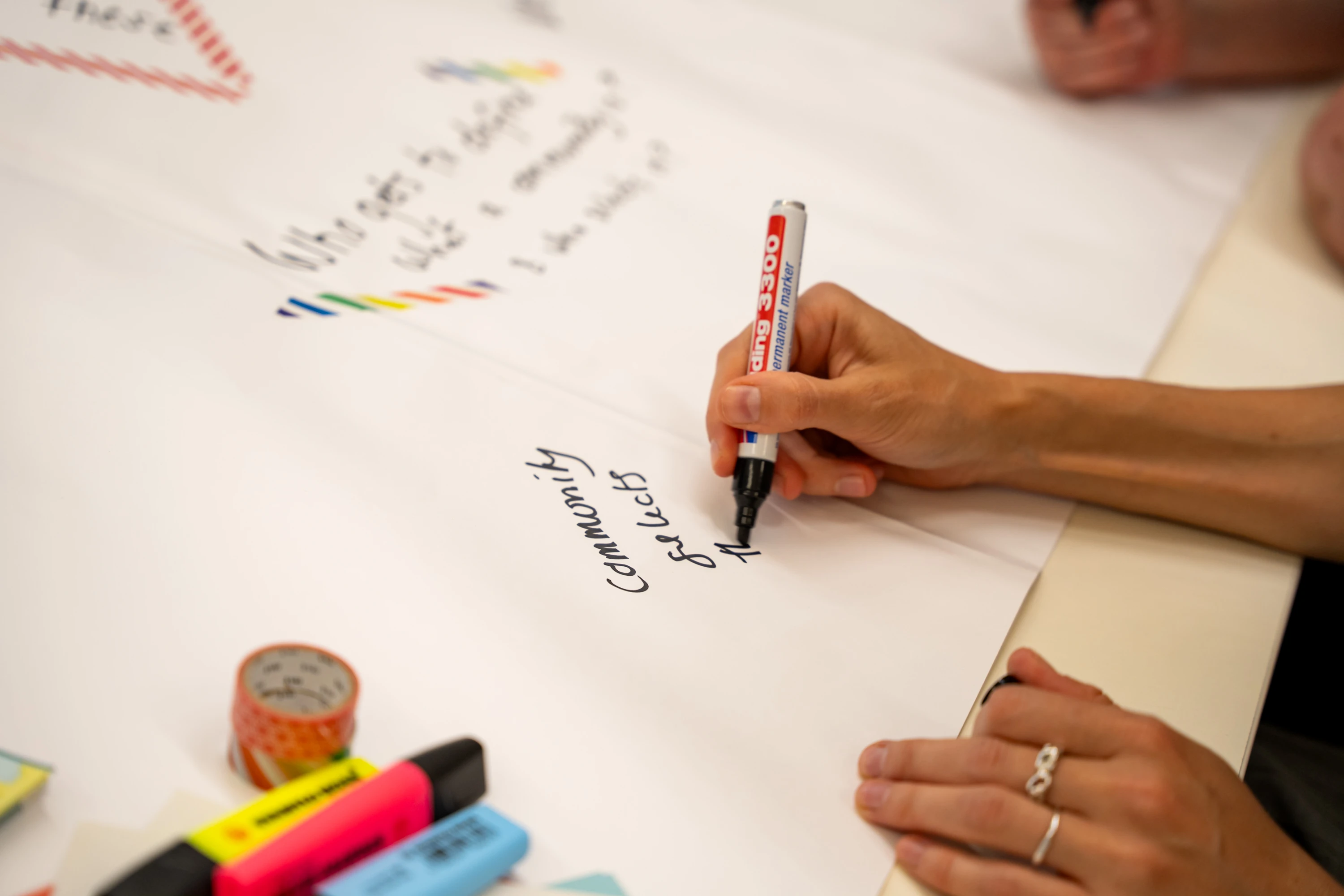
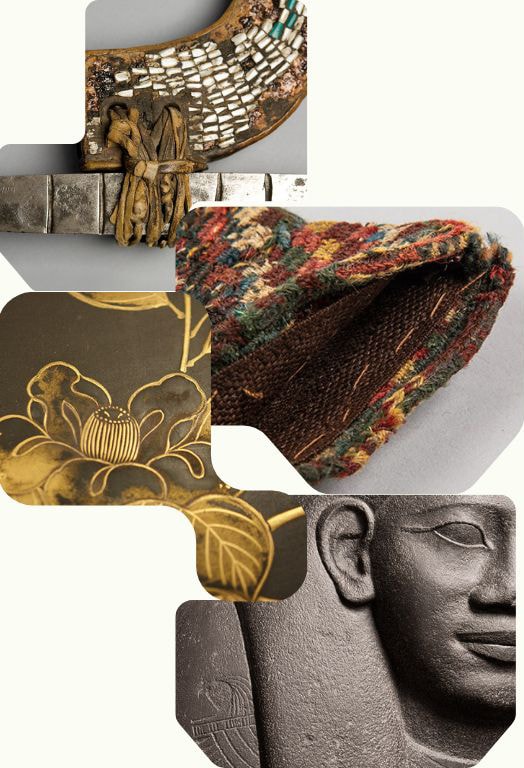
Collage for Care brings 20 museum practitioners from across Africa, the Afro-diaspora and Europe into conversation through film. Each recorded a short reflection speaking to restitution, colonial histories and what care actually looks like in this work. Woven together, their voices become a collage: a full film, a set of thematic shorts, displayed on at a physical and a digital platform, where the conversation can keep growing.
Collage for Care started from a simple question: what happens when people doing restitution and decolonial work get to dream and share what care looks like in practice? Twenty MuseumsLab alumni answered that question on camera, and we have edited their reflections into a conversation that will feature in a 20-minute collage film and four five-minute thematic shorts.
The Museum of World Culture in Gothenburg, will incorporate the shorts in its Time of Return section of the Crossroads exhibition, while the full film screens in the exhibition's dedicated film room. The films will also live online through African Digital Heritage, the National Museums of World Culture and TheMuseumsLab platform, so people far from Gothenburg can watch, use and build on them.
Care holds it all together: care for people, for objects and for histories. The project shows how care can shape the way museums respond to contested collections, and how it can carry long-term collaboration, accountability and shared authority.
The project is led by two MuseumsLab alumni, Mutanu Kyany'a (African Digital Heritage, Nairobi) and Lena Stammarnäs (Museum of World Culture, Gothenburg). The National Museums of World Culture administers the funding.
Project Team
Alumni
Lena Stammarnäs | Project lead, exhibition producer, exhibition design
Mutanu Kyany’a | Programme management and oversight, creative direction
Världskulturmuseerna (The National Museums of World Culture) | Gothenburg, Sweden
From Connection to Collaboration
The idea took shape in Nairobi in 2024, during Lena's residency as part of TheMuseumsLab Fellowship Programme. Reconnecting with Mutanu, the two kept returning to the silences around Sweden's colonial past. Because Sweden's role was often indirect, academic or ideological, those histories tend to slip out of view. Conversations with other MLab Fellows sharpened a shared conviction: restitution, care and accountability have to reach these quieter, less acknowledged colonial contexts too.
Collage for Care puts that conviction into practice. By bringing African and European alumni together, it turns ideas from the programme into something public and lasting, now part of a permanent exhibition. It shows what postcolonial thinking looks like when it is rooted in real objects, real cases and real relationships, and offers a way of working that others can pick up and adapt.
It also shows TheMuseumsLab doing what it does best; growing in a community of practice. The ongoing partnership between ADH, the National Museums of World Culture and the wider alumni network reflects a commitment to long-term dialogue, shared authority and institutional change.
Through the CollabFund, we want to keep asking what sustainable, cross-continental collaboration can look like when it is grounded in care, accountability and mutual respect.