What do we do when heritage hurts?
“Why are you promoting the history of a colonial collaborator?”
“Why are you promoting a colonial legacy?”
Ugandans asked us these questions online in 2020 when the Cross-Cultural Foundation of Uganda (CCFU) ran a campaign to save Uganda’s first cinema building, the Norman Gordinho Cinema, constructed in the 1950s.
Years later, we encountered similar questions when CCFU worked with the family of Semei Kakungulu to establish a memorial museum in his honour.
The questions were uncomfortable, but they were also legitimate. As the Communications and Advocacy Lead at CCFU, I have been at the forefront of telling these stories, helping to make the case for preserving places, objects and memories that are not always easy to defend.
I had assumed that Ugandans would easily rally behind the campaign to save the cinema. Instead, we faced significant backlash, and the experience affected me deeply, both during the campaign and afterwards. I had expected to be defending a building; I found myself having to defend why its history was worth engaging with at all. That experience stayed with me. It made me realise that heritage is not just about what we choose to preserve, but about whose histories we value, how those histories are interpreted and what happens when people disagree about what deserves to be remembered. It was one of the questions I carried into my application for TheMuseumsLab.
What do we do when heritage hurts?
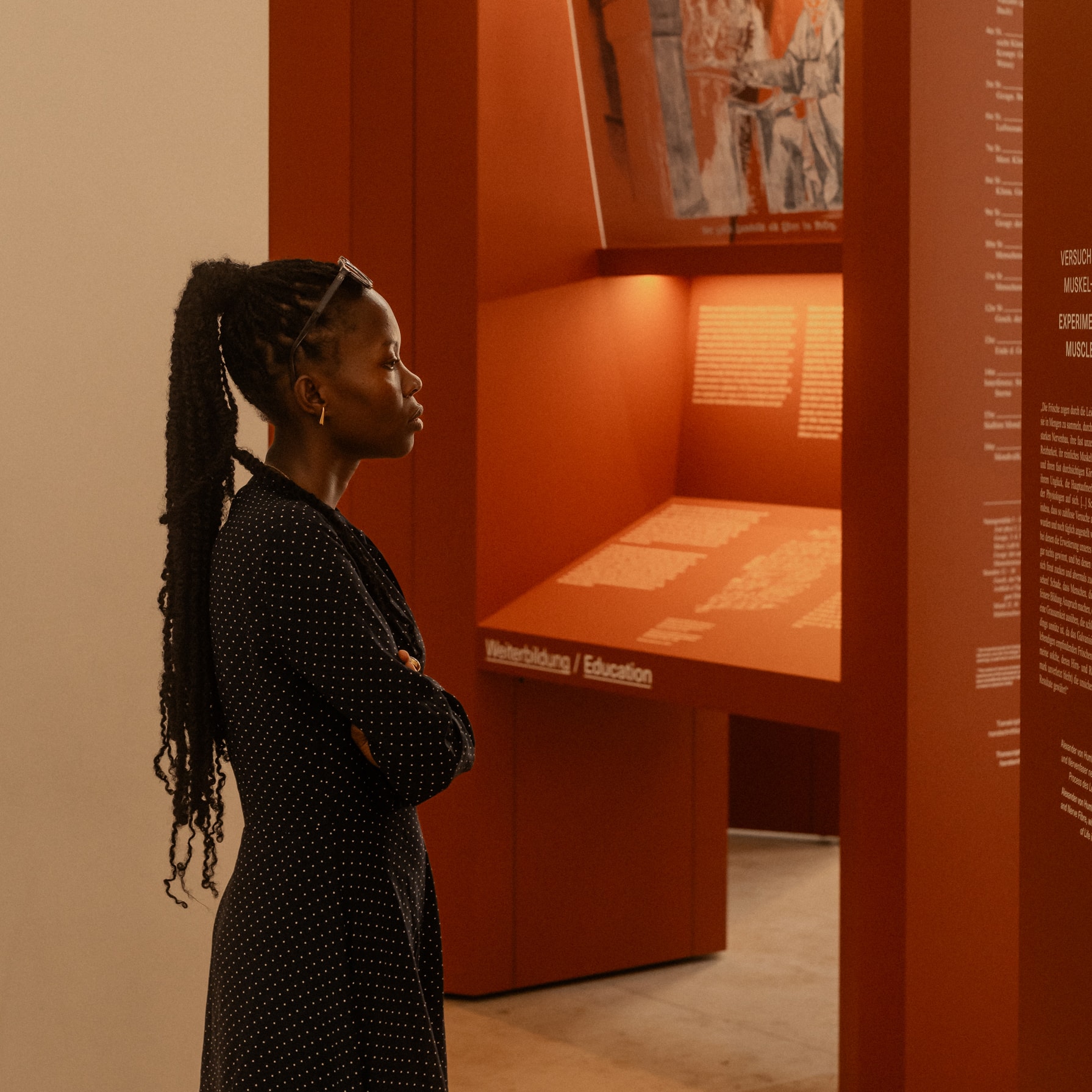
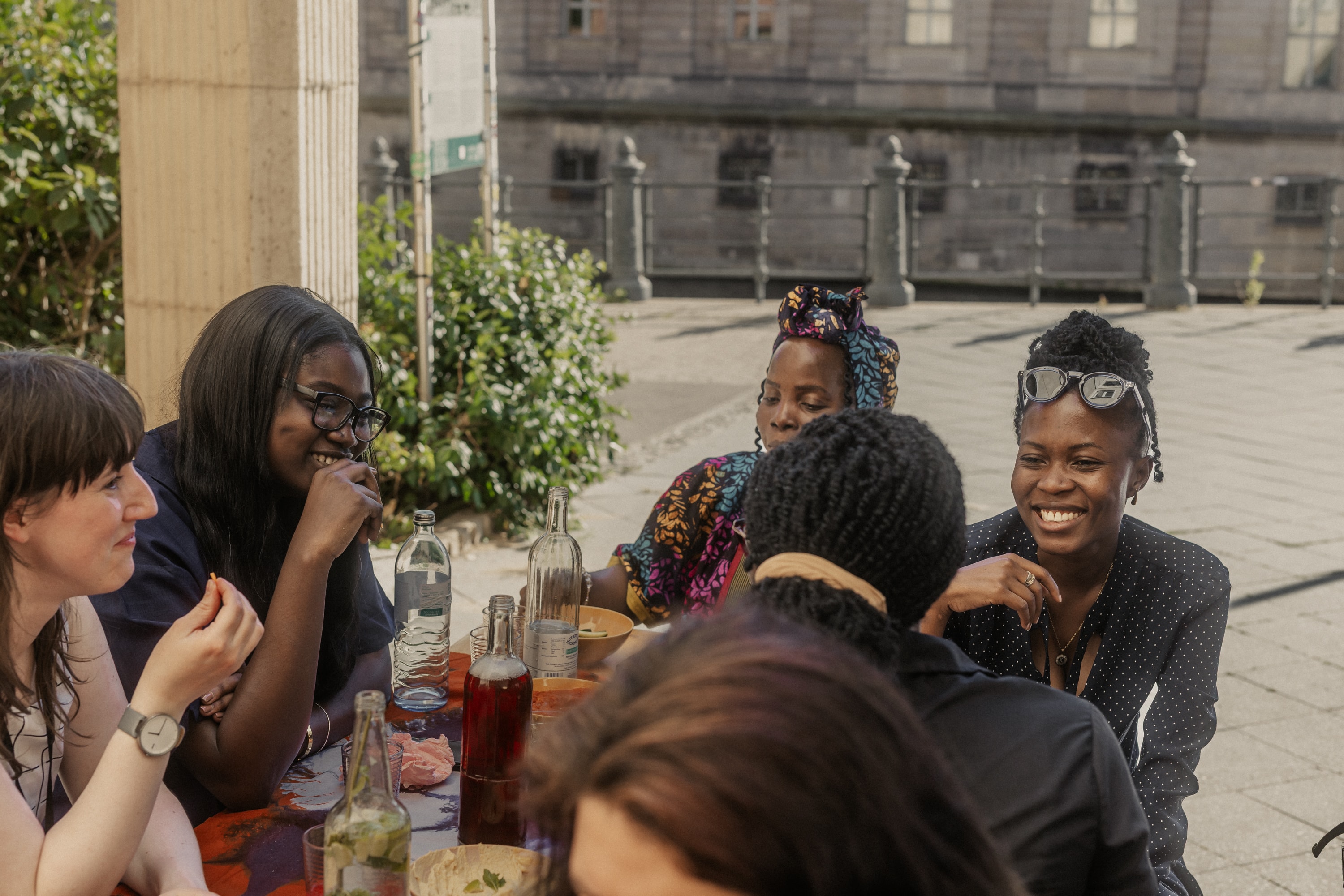
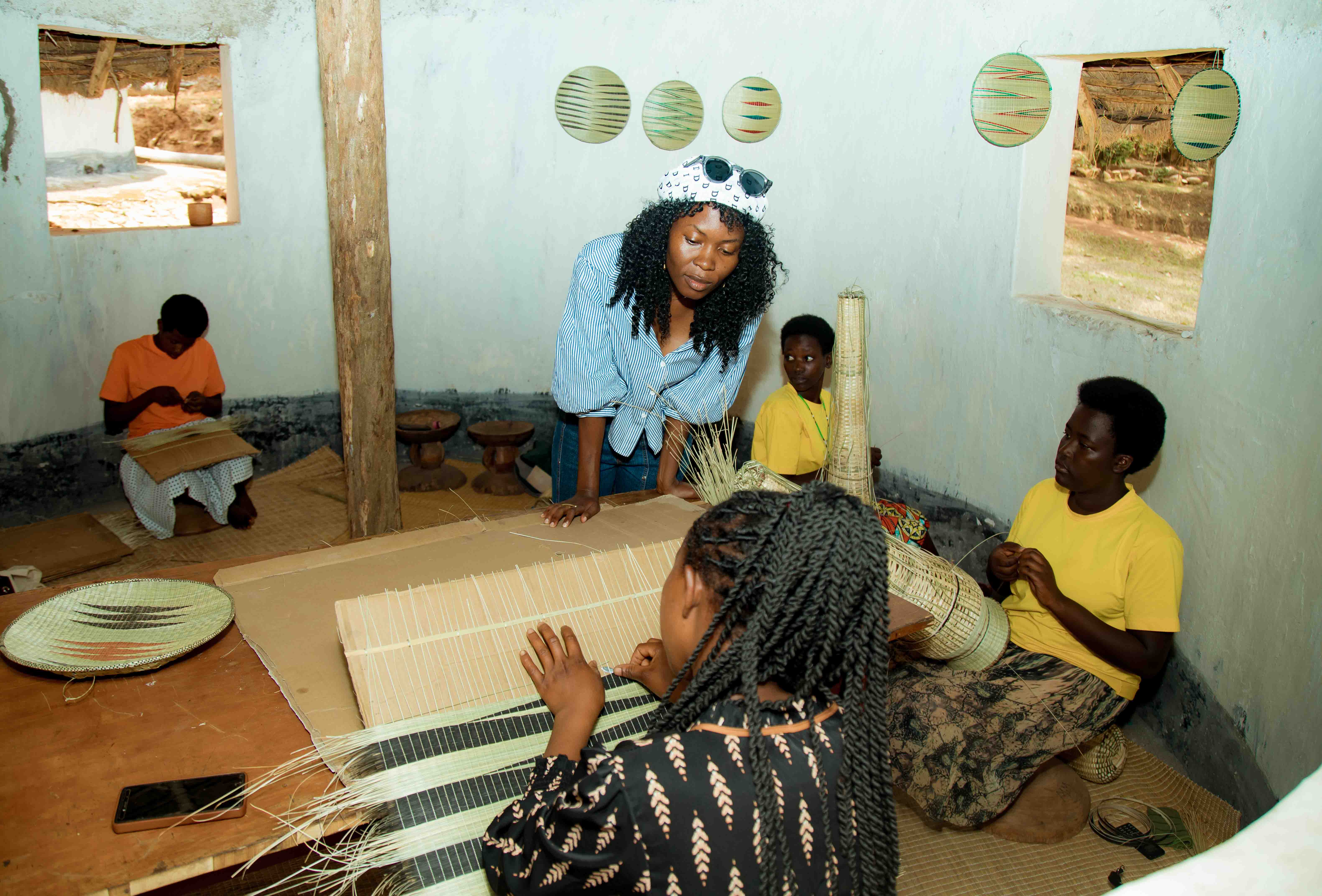
I did not know then that Berlin and Kigali would make the question even more complicated. TheMuseumsLab 2026 theme, “Building Futures from Memory: Museums and Memorial Sites as Agents,” invites us to think beyond the preservation of the past and consider what memory can do in the present and for the future. That question became particularly real for me across the three modules: online, in Berlin, where we encountered the memory of the Holocaust and other atrocities, and later in Kigali, where we confronted the memory of the 1994 Genocide against the Tutsi and in my residency in Kenya, where we explored the memory of terrorism and colonialism.
In these places, I was struck by the deliberate ways societies have chosen to live alongside histories that are painful, contested and, in some cases, almost impossible to comprehend. The past had not been made comfortable, but neither had it been hidden. Instead, people had given it places, objects, stories, and spaces through which they could encounter it, question it, and learn from it.
This took me back to Uganda and the questions we still face.
When CCFU campaigned to save the Norman Gordinho Cinema in 2020, the argument was never that everything associated with its colonial history should be celebrated. The building was being considered as part of Uganda’s historical landscape, and preserving it meant preserving evidence of a particular period and the stories attached to it.
That distinction matters because heritage is not a collection of things we are proud of. Sometimes it is evidence of systems, relationships and periods that we need to understand precisely because they were complicated. Removing every uncomfortable physical reminder of the past may change what our cities look like, but it does not necessarily change what happened.
The debate is therefore not whether something should remain, but what meaning we give it, how we interpret it and whose perspectives we bring into the story.
Our work with the Semei Kakungulu family brought this challenge into even sharper focus. Kakungulu is often remembered primarily through his relationship with British colonial rule, and that part of his history cannot merely be set aside. At the same time, his life intersected with education, agriculture, infrastructure, the development of towns, religion and the history of the Abayudaya community, among other aspects of Uganda’s past.
These dimensions do not cancel one another out. They exist together, sometimes uneasily, and a museum has an opportunity to make that complexity visible rather than reducing a historical figure to a single identity.
This is perhaps one of the most valuable things museums can offer: a space in which history does not have to be reduced to heroes and villains, where different accounts can sit alongside one another, and where visitors are given enough context to grapple with contradictions rather than being handed a conclusion.
The conversation is not limited to museums. Kampala’s ongoing debate over colonial street names offers another example of how societies negotiate what they want their public spaces to remember.
In 2020, a petition called for the removal of colonial-era street names, arguing that continuing to display the names of colonial officials in public spaces could amount to their continued commemoration. The petition also recognised an important distinction. That removing a name would not erase the history associated with it, because that history could still be documented and preserved in museums, archives and other forms of public history.
In 2025, the High Court directed Kampala Capital City Authority to take steps towards renaming streets and public places bearing the names of British colonial officials, through a gradual and consultative process and with names that promote Ugandan culture, heritage and values.
Lessons from my TheMuseumsLab experience proved that whatever position one takes on the debate, it demonstrates that remembering and commemorating are not necessarily the same thing. A street does not have to carry a colonial name for the history of colonialism to be taught, just as a museum does not have to celebrate a historical figure to tell their story.
Berlin and Kigali helped me see this distinction more clearly. The memorials and museums we encountered demonstrated that remembering painful histories is not about keeping evidence of the past; it is also about making deliberate choices about how that past is presented, whose voices are heard, how suffering is represented and what visitors are invited to take away from the encounter.
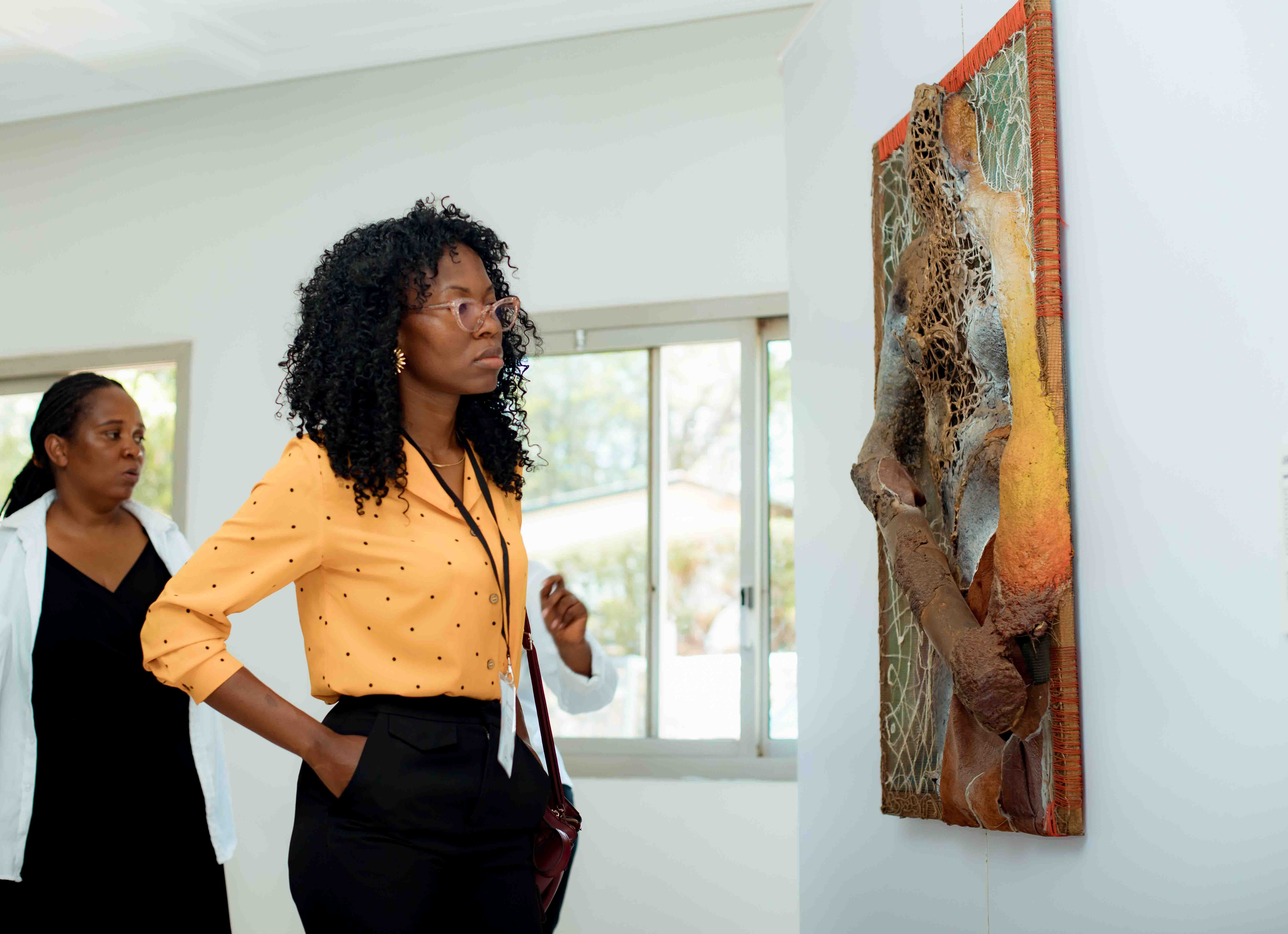
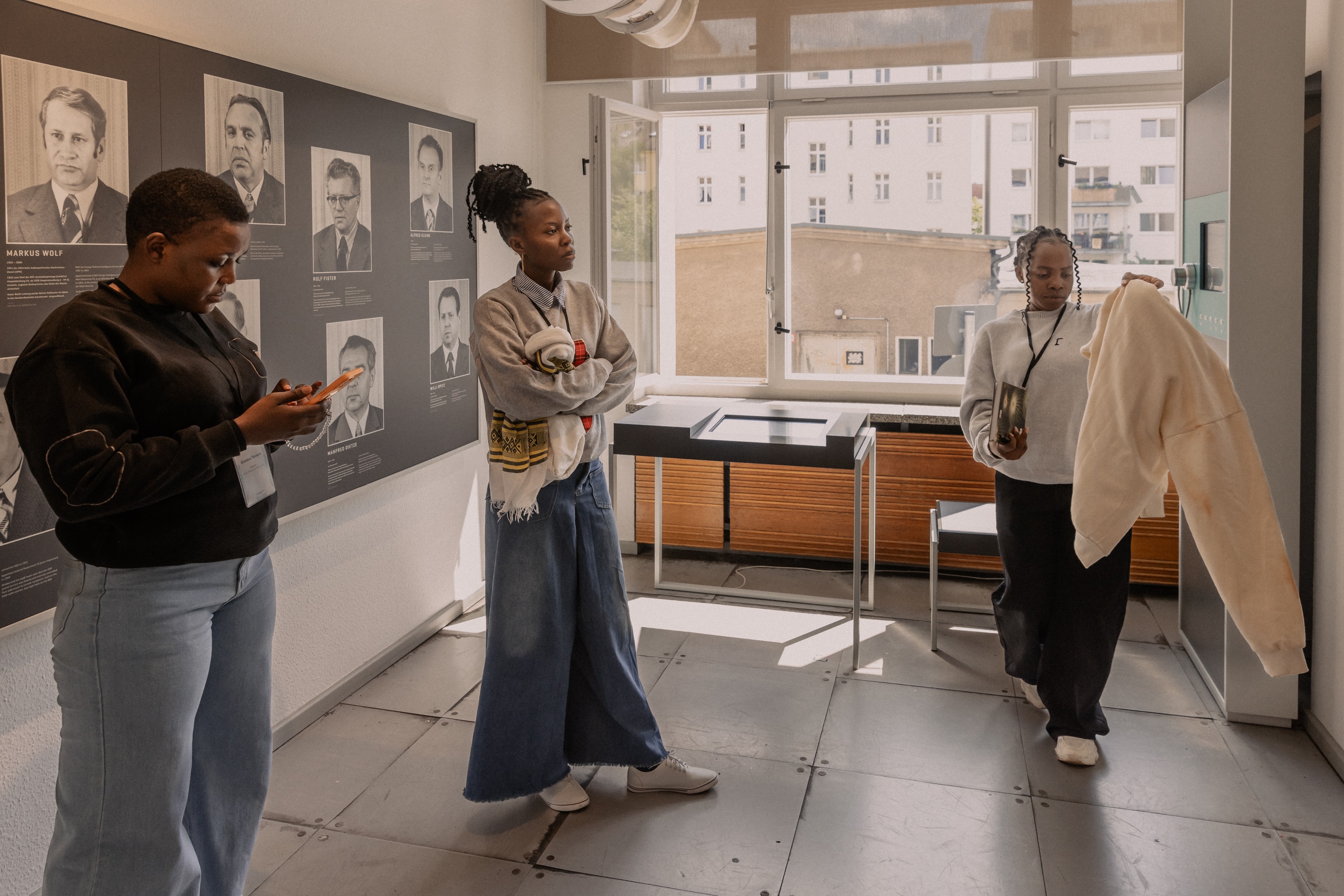
There is also a responsibility to ensure that remembrance does not become spectacle. Difficult histories require context, care and space for reflection. They require us to consider not only what is displayed, but also what has been left out and what the visitor is being asked to understand.
This has changed the way I think about the questions we were asked in Uganda in 2020. I no longer see them as objections to preservation. They are questions about power, memory and representation, and museums and heritage practitioners should be willing to take them seriously.
Sometimes a monument may need to come down. Sometimes a street name may change. Sometimes a building may remain but require a different interpretation. Sometimes a historical figure needs to be presented through multiple perspectives rather than a single celebratory narrative.
There is no universal formula. What matters is that we resist the temptation to treat preservation as endorsement or removal as forgetting.
For me, this is where TheMuseumsLab theme, “Building Futures from Memory,” becomes particularly meaningful. Memory matters not only because it tells us where we came from, but because of what we choose to do with what we remember.
Perhaps the work of museums is not to make difficult histories comfortable, nor to make them disappear, but to create spaces where we can encounter them honestly, hold their contradictions and ask better questions about what they mean for us today.
And perhaps when heritage hurts, the answer is not always to look away.
Perhaps it is to look closer.
The Author
Kisa Kasifa
Comminications & Advocacy Lead
The Cross Cultural Foundation of Uganda
TheMuseumsLab Fellow
Related Articles
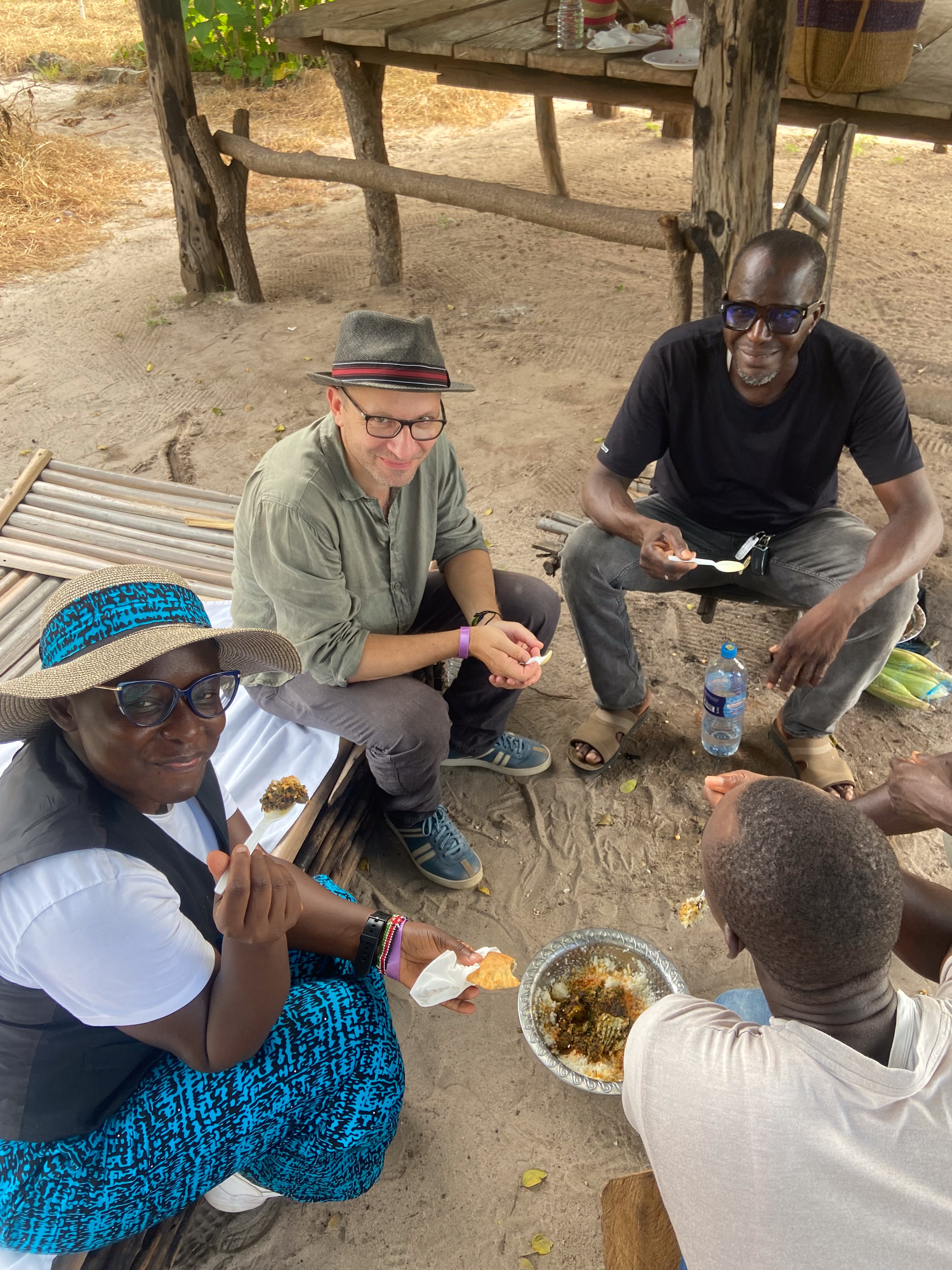
Echoes Along the River Gambia: Reflections on Borders, Memory, and the Unfinished Crossings of Our Time
In a joint reflection on a Residency in The Gambia, Fellow Konradin Kunze and Residency Facilitator Maimuna Jawara explore connections between colonial history, unequal global mobility, and memory, drawing on personal encounters and visits to sites of remembrance.
Read more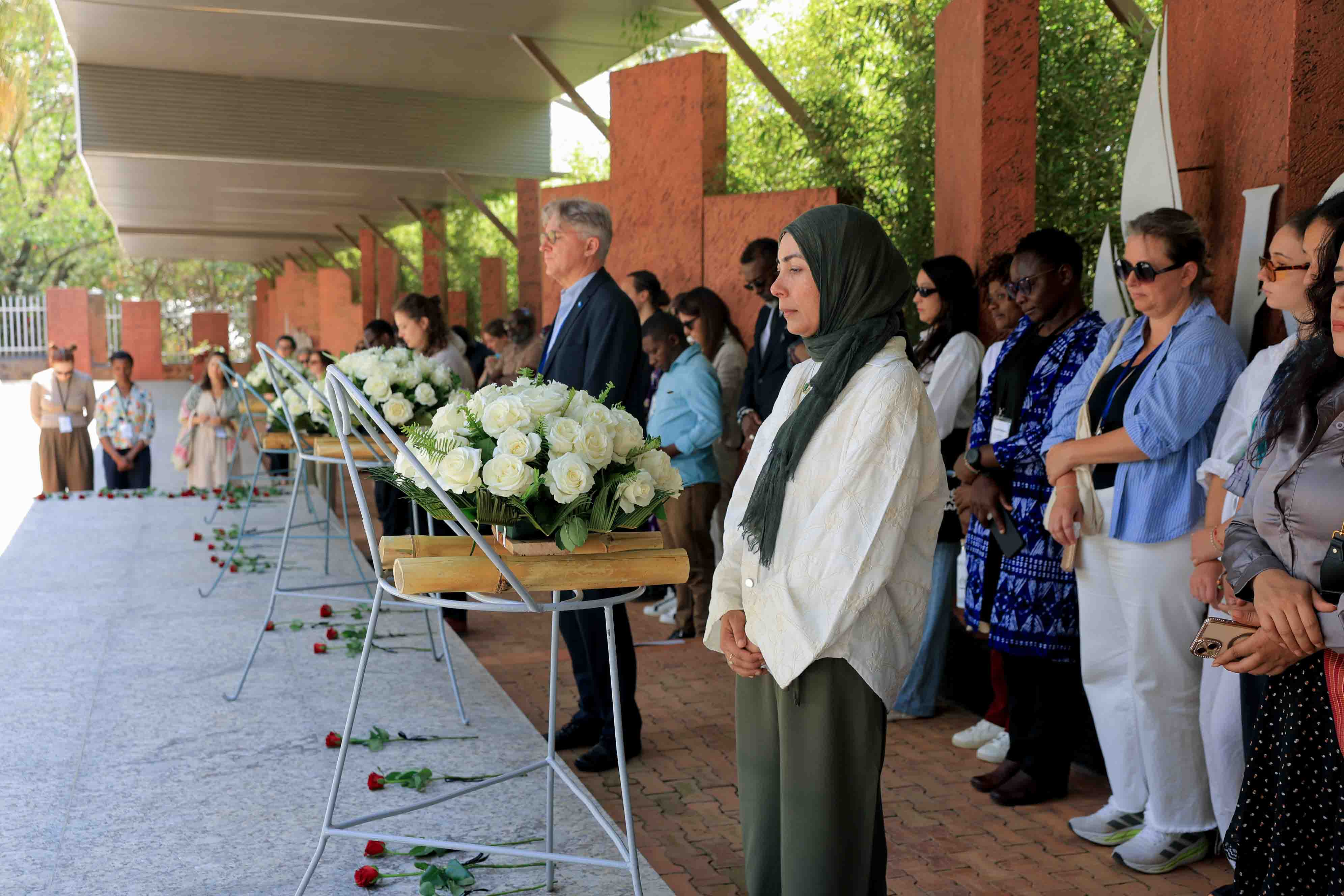
The Voices We Must Not Ignore
In her reflections on Module 3 in Rwanda, Fellow Dr. Samar El Khamisy looks back on encounters with survivor testimonies and visits to genocide memorials, exploring questions of memory, forgiveness, reconciliation, and our responsibility to learn from the past.
Read more
Did You Remember to Water Your Houseplants?
Drawing on her observations from Kigali, Yevheniia Moliar reflects on how colonial histories remain embedded in everyday life, from domestic spaces to the public realm.
Read more