Re-Rooted: Liberating Colonial African Collections Through Indigenous Knowledge Systems
Re-Rooted explores what changes when Indigenous knowledge and ancestral authority shape not only how African cultural belongings and ancestors are represented in museums, but also who decides how they are researched, cared for, documented and made accessible. Working across Zambia, Egypt, Mozambique, Germany and the UK, the project brings community knowledge, artistic practice, and institutional reflection into dialogue.
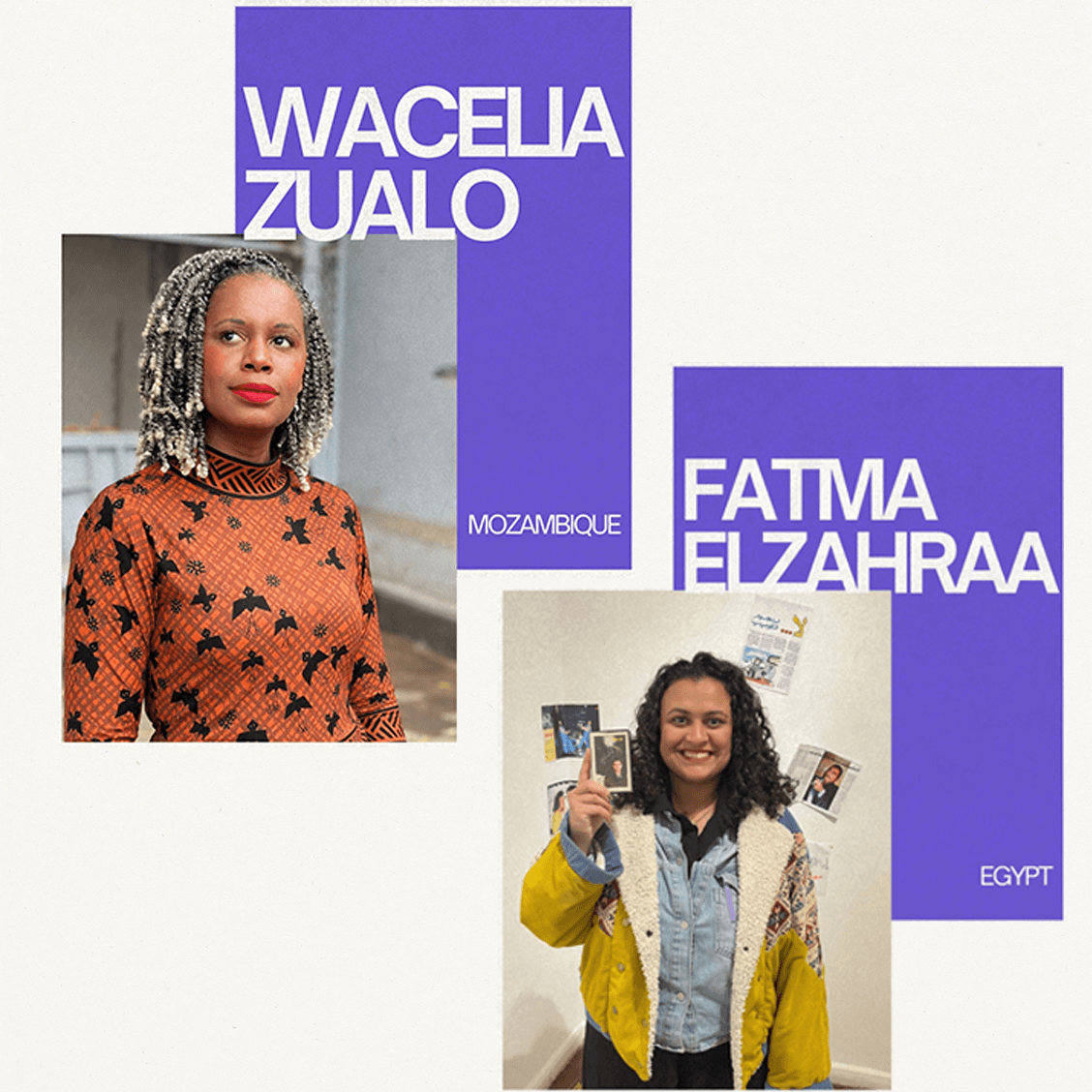
Re-Rooted is a 12-month collaboration led by TheMuseumsLab alumni collective Disrupting and Reorienting Restitution (DRR), bringing together the Women’s History Museum of Zambia, the Horniman Museum and Gardens (UK), and the GRASSI Museum of Ethnology Leipzig (Germany). Building on DRR’s 2023 TheMuseumsLab-funded Forbidden Knowledge project, it examines what institutional change requires when Indigenous African knowledge, feminist approaches and ancestral authority are recognised as central to museum practice. The work focuses on Egyptian ancestral remains held by the Horniman and Mozambican belongings associated with the 1931 “Forgotten Expedition” at GRASSI. Rather than treating reinterpretation as an endpoint, the project asks how relationships with communities can reshape research, documentation, access, care and decision-making. Activities and intended outputs include:
digital artist residencies (Egyptian and Mozambican)
diaspora and source-community consultations
a co-created toolkit for community stewardship
peer-exchange sessions between WHMZ and European professionals
pop-up displays and digital publications in London, Leipzig, and Lusaka.
Project Team
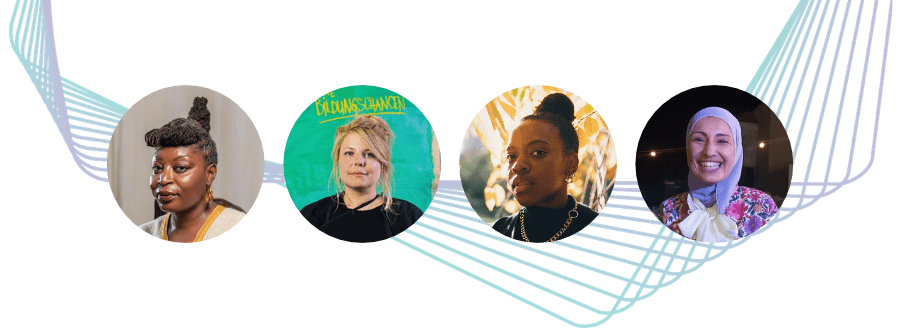
Samba Yonga | DRR collective member, project lead and WHMZ curatorial representative, liaising and peer-exchanging with European and project‘s community partners
Sabine Wohlfarth | DRR collective member, project co-lead and GRASSI Museum of Ethnology representative, facilitation of community access and artist digital residency, liaising and peer exchanging with project partners
Eno Inyangete | DRR collective member, offering assistance with the design and production of social media campaign and project outputs
Heba Abd el Gawad | DRR collective member, project co-lead and Horniman Museum and Gardens representative, facilitating community and artist access to Egyptian ancestral remains at the Horniman, liaising and peer exchanging with project partners
Partner Museums and Involved Institutions
Women’s History Museum of Zambia | Lusaka, Zambia
Horniman Museum and Gardens | London, UK
GRASSI Museum | Leipzig, Germany
From Connection to Collaboration
The collaboration between the Horniman Museum (UK), the GRASSI Museum of Ethnology Leipzig (Germany), and the Women’s History Museum of Zambia (WHMZ) is rooted in the shared journey of all three institutional leads as TheMuseumsLab 2022 alumni. During the fellowship, we co-founded the Disrupting and Reorienting Restitution collective, a peer network dedicated to reimagining restitution and decolonial practice through Indigenous knowledge systems and community-led governance. Through TheMuseumsLab’s immersive seminars, co-learning modules, and institutional residencies, we discovered a common commitment to move beyond object restitution toward holistic, care-centred approaches encompassing ancestral remains, colonial archives, and material culture. The fellowship’s emphasis on equitable partnerships and mutual learning laid the foundation for long-term collaboration, evolving into our 2023 Forbidden Knowledge project funded by TheMuseumsLab alumni fund and the current CollabFund Re-Rooted project.
Re-Rooted puts TheMuseumsLab’s commitments to shared authority, ethical collaboration and transcontinental knowledge exchange to the test through encounters with Egyptian ancestral remains and Mozambican belongings held in European museums. The Women’s History Museum of Zambia contributes perspectives rooted in feminist, oral and community-centred knowledge traditions, while artists and community collaborators question whose knowledge museums recognise and whose authority guides decisions.
The project brings together artistic research, community engagement and professional exchange to explore how institutions can move from acknowledging colonial histories towards changing the practices through which they continue to be reproduced. Its emerging insights will inform discussions about community stewardship, accountability and the responsibilities of African and European museums.