Keeping Memory Alive: How Museums Help Future Generations Remember What They Never Lived
When I joined TheMuseumsLab, I thought I would mainly learn about museum management and leadership. Instead, the module Building Futures from Memory invited me to reflect on a deeper question: How can museums help societies remember painful histories and pass them on to people who never experienced them?
Throughout the module, I met museum professionals whose communities had lived through genocide, forced displacement, colonialism, and social injustice. What inspired me most was that these institutions were not trapped in the past. They were transforming memory into a tool for education, dialogue, and hope.
The experience of museums in Rwanda showed how cultural institutions can support reconciliation by helping younger generations understand a history they never witnessed. Through outreach programmes, storytelling, and community participation, memory becomes a shared responsibility rather than a forgotten chapter.
The District Six Museum in South Africa offered another powerful lesson. It demonstrated that preserving memory is not only about safeguarding objects, but also about protecting voices, identities, and a sense of belonging. Storytelling, walking tours, creative workshops, and conversations between generations keep the history of forced displacement alive while helping communities rebuild connections.
I was also deeply touched by the discussions around Namibia and Shark Island. Artistic practices, including working with textiles and collective creativity, showed that memory can be carried through art as well as through museum collections. These projects transform difficult histories into experiences that people can see, feel, and share, allowing new generations to engage with the past in meaningful ways.
An important part of this journey was not only listening to lectures but also participating in workshops and exchanges with colleagues from different countries. These conversations revealed that there is no single way to preserve memory. Every community develops its own methods, whether through art, education, oral history, or collaborative projects. Learning directly from these experiences made the stories more human and more powerful.
The discussions on decolonizing museum practices added another dimension. They reminded me that preserving memory also means creating space for voices that have long been marginalized or overlooked. Museums have the responsibility to encourage dialogue, question inherited narratives, and present history through multiple perspectives.
As an Egyptian museum professional, I found myself reflecting on the broader mission of our institutions. Museums are not only places where artifacts are protected. They are places where humanity protects its collective memory. They help us understand loss, resilience, and the strength of communities that refuse to let their stories disappear.
For me, the greatest lesson of Building Futures from Memory is that museums do not simply preserve the past. They build bridges between generations. They ensure that people can remember what they never lived through and that difficult histories become foundations for empathy, understanding, and a more inclusive future.
The programme also changed the way I think about sustainability and leadership. I realized that support is not always measured in money. Sometimes the most valuable contribution comes through partnerships, shared expertise, access to communities, or simply creating opportunities for collaboration. Sustainable museums are built not only through funding but through networks of trust and mutual support.
The discussions on museum leadership also challenged my understanding of what it means to lead. I learned that successful leadership is not about having all the answers, but about listening, building trust, creating partnerships, managing differences, and balancing institutional missions with long-term sustainability. As David Nkusi powerfully reminded us: "Nothing about us without us."
This principle reflects the idea that communities should never be treated as passive audiences, but as active partners in shaping how their histories and memories are preserved and shared.
This idea connects deeply with the concept of memory work explored throughout the module. Communities that experienced displacement, violence, or genocide cannot simply have their stories told by others. They must be part of the process. Museums become spaces where memory is created collectively, ensuring that future generations inherit not only historical facts but also human experiences and voices.
Another idea that deeply influenced me was the concept of Rootshock, the trauma of being uprooted from one's home and community. It reminds us that losing a home is not simply losing walls and buildings, but losing neighbours, memories, identity, and social relationships. In this sense, museums can help rebuild a sense of belonging by preserving collective memory and creating spaces where communities reconnect with their shared histories. Museums preserve objects, but above all, they preserve people, memories, and the connections that allow future generations to understand a past they never lived through.
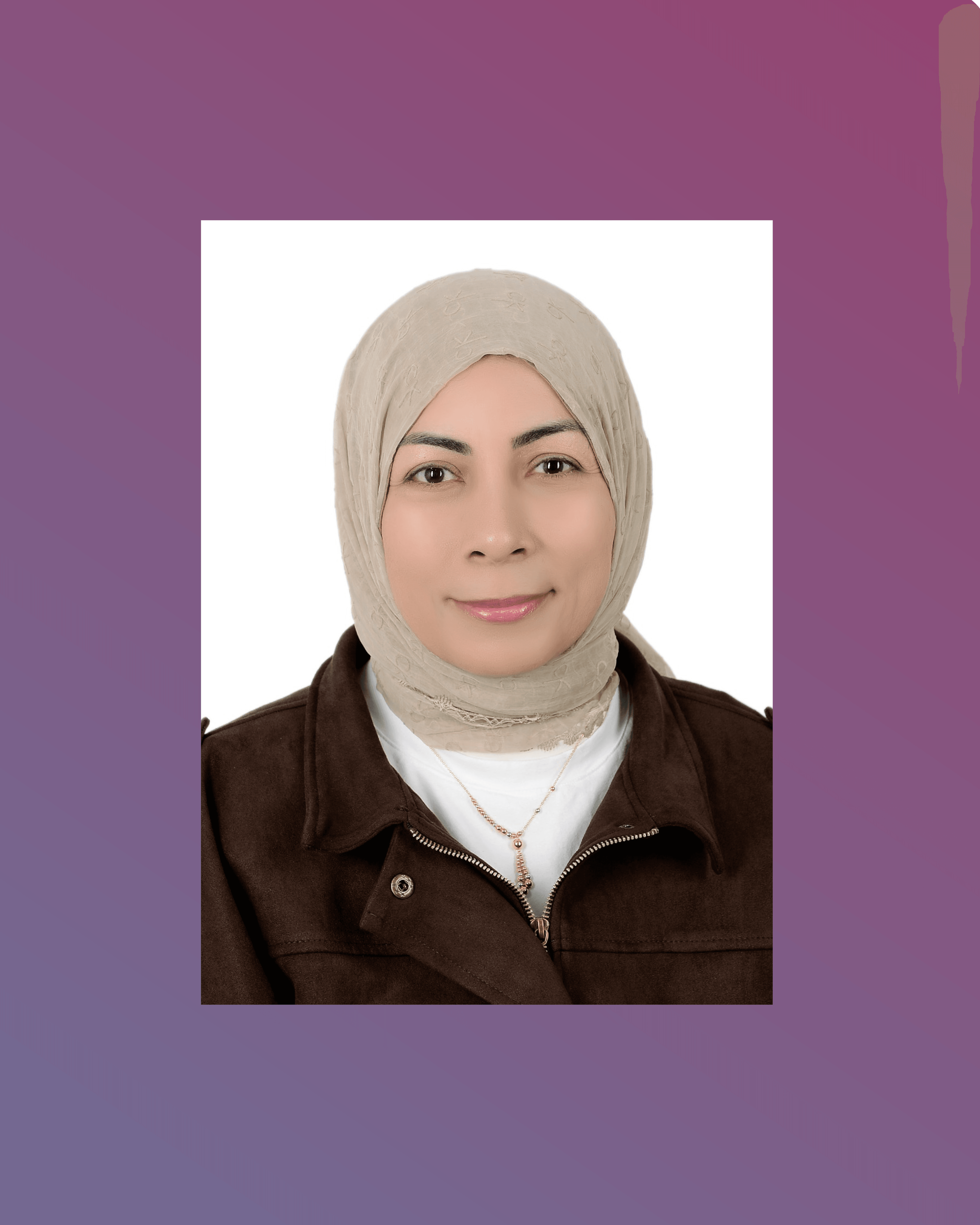
The Author
Dr. Samar El Khamisy
Curator and Archaeologist
Egyptian Museum – Ministry of Tourism & Antiquities
TheMuseumsLab Fellow 2026