Did You Remember to Water Your Houseplants?
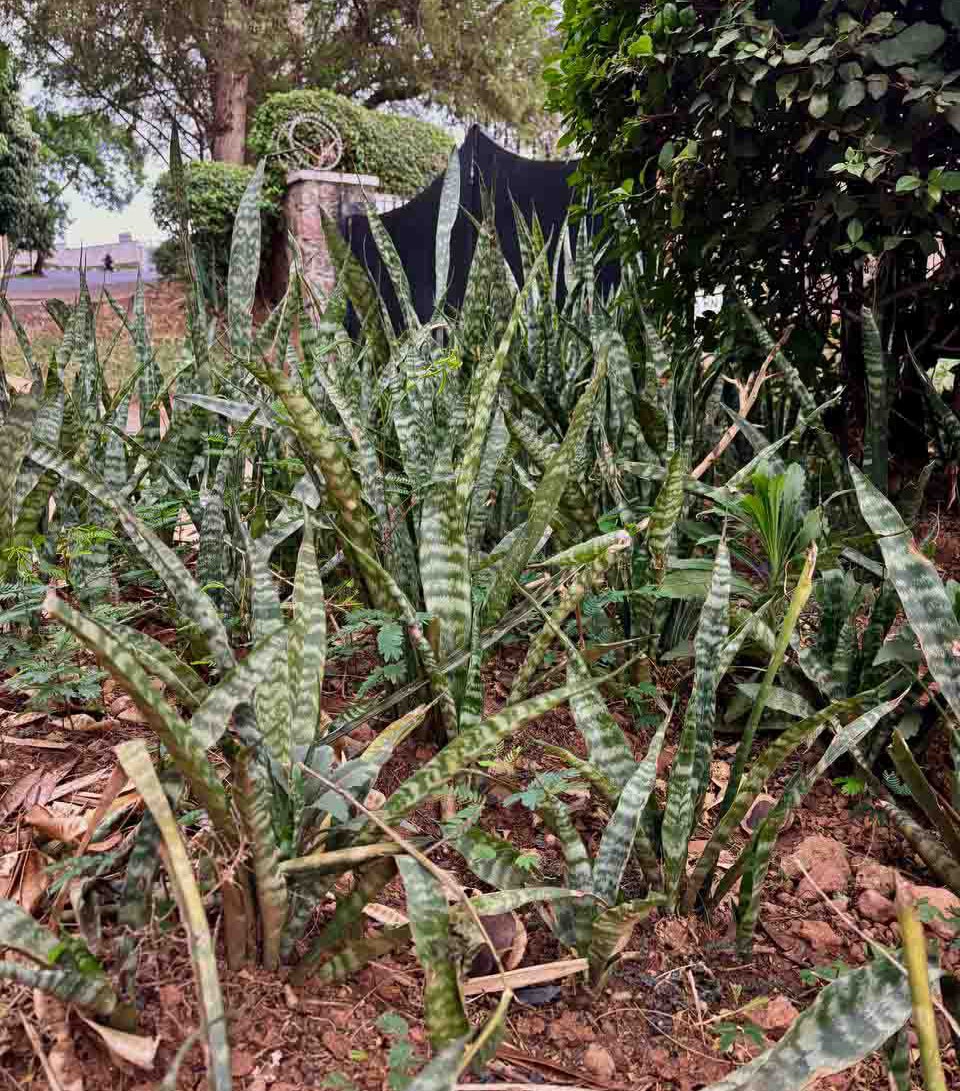
Soon after arriving in Rwanda for TheMuseumsLab, I spotted a huge snake plant growing right on the street — and it immediately reminded me to tell my kids to water our houseplants; several much smaller ones live in my room.
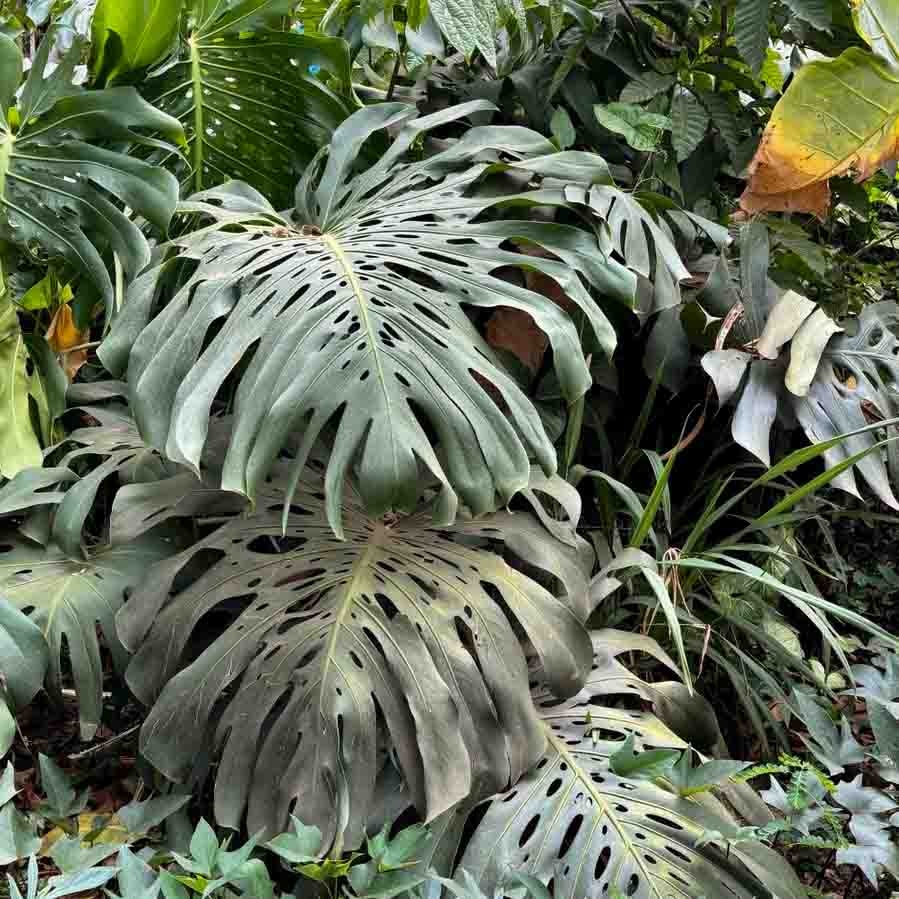
Walking around Kigali, I kept running into many familiar plants. Tradescantias, geraniums, spider plants — the standard set from a Kyiv library or hospital windowsill. Dracaenas, monsteras, and ficuses — practically obligatory fixtures of any modern Berlin apartment — grow wild here, right out in the open, forming huge shrubs, hedges, whole thickets.
Houseplants give us a sense of comfort and home. They're also a small, cozy, easy-to-miss domestic colonial practice.
From May 2025 to May 2026, the Weltmuseum Wien held an exhibition called Kolonialismus am Fensterbrett — "Colonialism on the Windowsill". It traced how ten everyday house- and balcony plants found their way into European homes. They arrived in Europe together with colonial expeditions, ethnographic collections, trading companies, and warships. At first they were expensive exotic objects and status symbols; later, ordinary mass-market goods.
To be honest I like bringing home plant cuttings from my own trips too — and I don't always manage to get them back alive and intact. In the 1820s–30s, the British physician Nathaniel Bagshaw Ward invented a small glazed box for transporting plants — the so-called Wardian case. Inside, thanks to the sealed-in soil and moisture, a nearly self-sustaining ecosystem formed, one that let live plants survive a long sea voyage. The Wardian case became a standard tool of botanical expeditions — and, at the same time, an important technology of the British Empire. It made it possible to move huge quantities of plants between continents, extract economically valuable species from their native habitats, and establish plantations in the colonies. Rubber plants and cinchona trees were moved the same way, from South America to Britain's colonies in Asia. Botanical knowledge, trade, and imperial power operated as a single system.
Between 1891 and 1907, the Berlin Botanical Garden shipped over 16,000 plants — coffee, cocoa, rubber, and bananas among them — to and from colonial stations in Cameroon, Tanzania, and Togo. These stations were themselves test gardens, where crops were acclimatized for cultivation elsewhere in the colonies; much of the actual research there was carried out by African botanists, whose names were later replaced by those of German scientists.
In 2020, the Great Tropical House at the Berlin Botanical Garden hosted a sound installation by Maria Thereza Alves and Lucrecia Dalt, You Will Go Away One Day But I Will Not, made together with the Guarani community of the Jaguapiru reservation in Brazil. Alongside the Latin labels appeared the community's own proposed names for the plants, with translations, while the space filled with their voices and songs. In 2024, the International Botanical Congress voted to systematically rename over three hundred species of plants, fungi, and algae whose scientific epithets still carried a root derived from a colonial racial slur.
Colonial power isn't limited to seizing territory or extracting resources. It also means classifying, appropriating, moving, and economically exploiting nature: knowledge gathered on the ground gets severed from the people and communities it belongs to, and translated into the language of European science. Plants get shipped to botanical gardens, tested at acclimatization stations, propagated on plantations, sold as commodities.
Humanity is gradually learning to recognize coloniality in museum collections or urban toponyms. But does it notice this in its own everyday life?
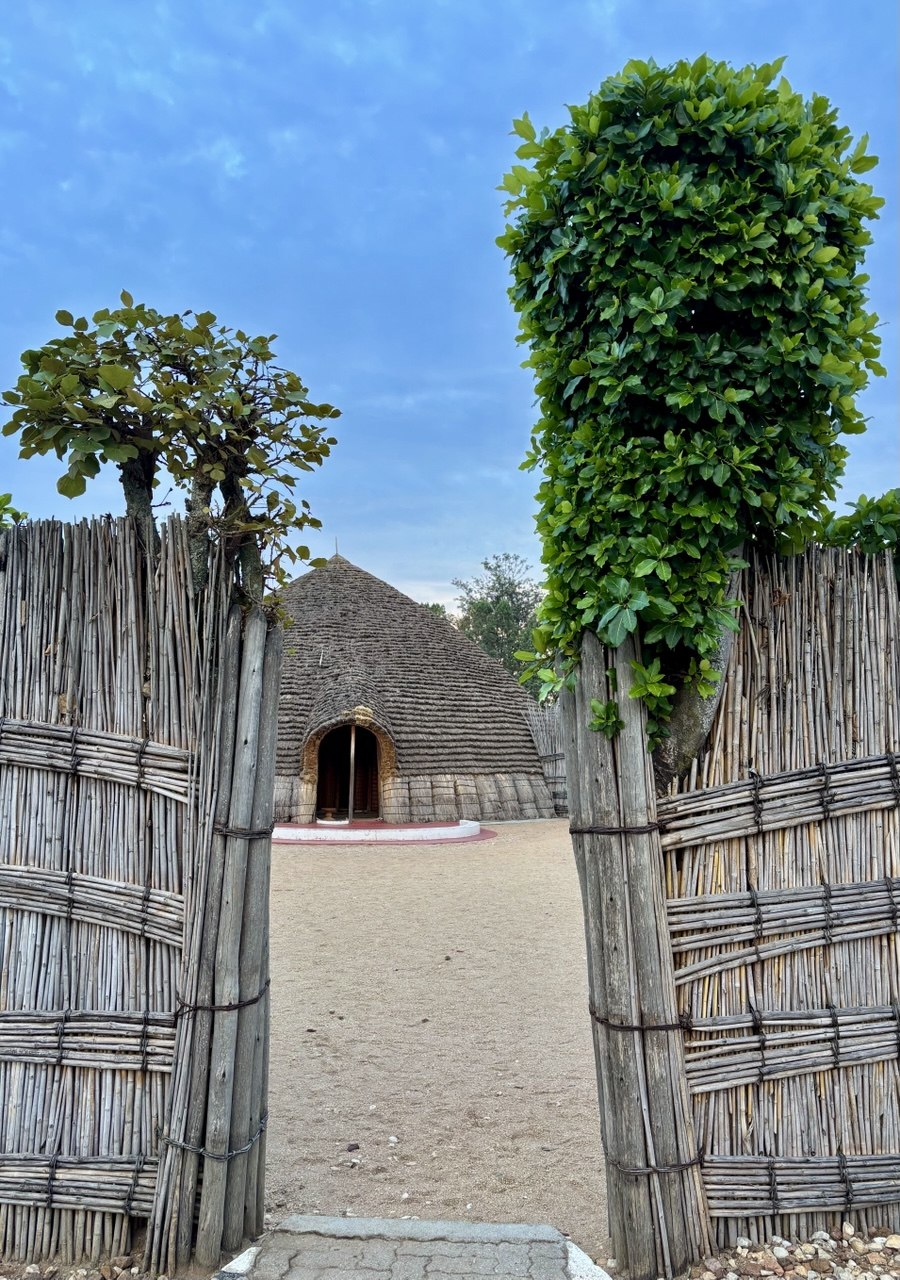
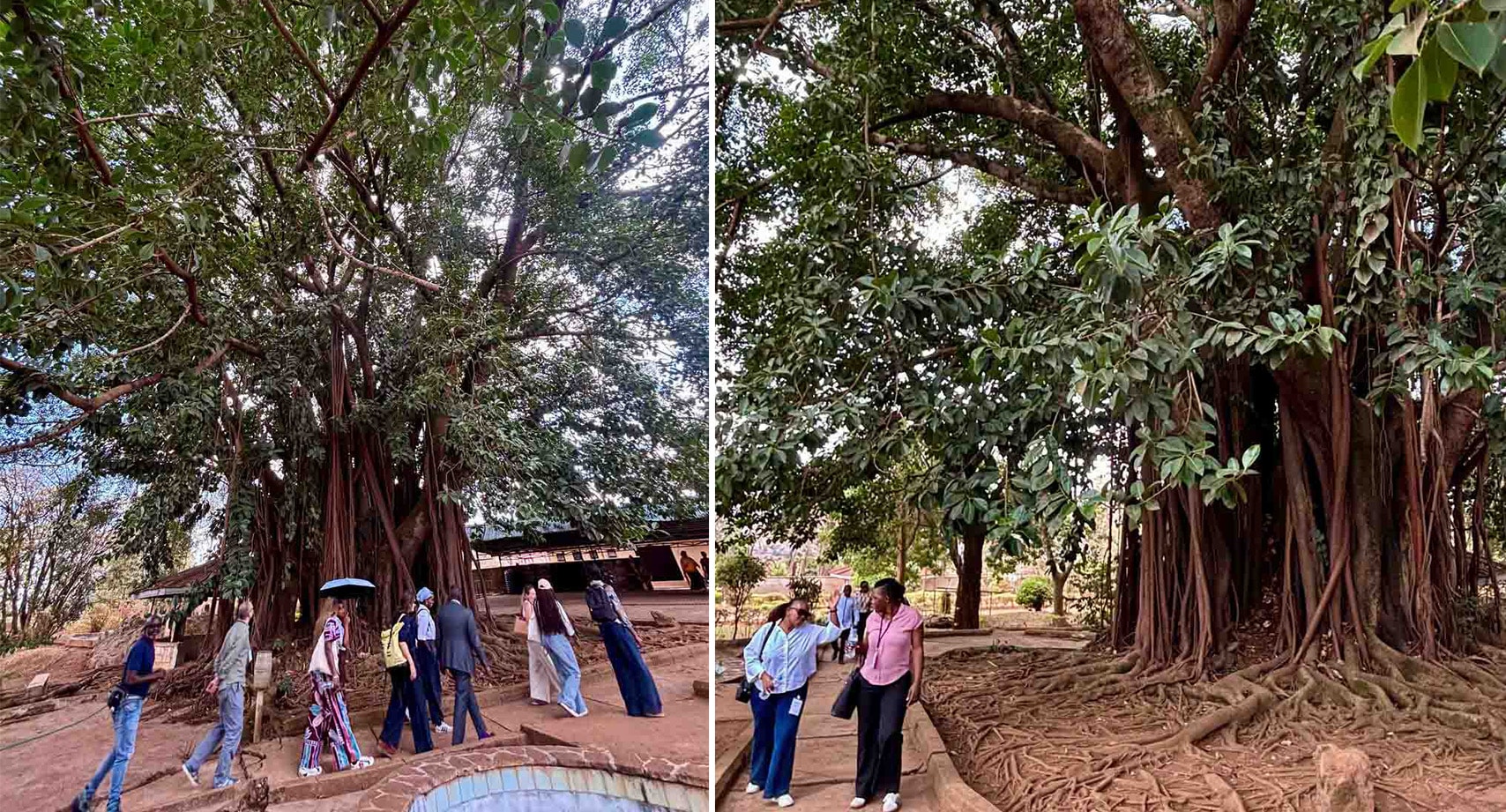
Today, together with TheMuseumsLab fellows, we visited the King's Palace Museum Rukari in Nyanza. At the entrance to the reconstructed traditional royal compound, known as the rugo, stands a ficus tree sacred to Rwandan kings. The tree was believed to protect the residence, but it also served as a living witness: even after a king moved away, the ficus remained on the former site, and people continued to honour it as though the ruler were still present. It preserved the memory of royal presence and formed part of a broader ritual system.
Uprooted from this context, classified, and transformed into a houseplant, the same ficus became a status symbol in the affluent drawing rooms of Victorian Europe. Later, in Soviet culture, it unexpectedly came to represent philistine stagnation: the poet Vladimir Mayakovsky, writing in the 1920s, denounced the ficus as part of the petty-bourgeois domestic interior — a form of cosy complacency that stood in the way of revolutionary momentum.
Of course, there's no need to urgently decolonize our beloved ficuses. But it's well worth doing a provenance study of our own windowsill.
References
- Weltmuseum Wien. Kolonialismus am Fensterbrett [Colonialism on the Windowsill], 28 May 2025–25 May 2026. https://www.weltmuseumwien.at/en/exhibitions/colonialism-on-the-window-sill. Curators: Bettina Zorn, Florian Rainer.
- Keogh, L. "The Wardian Case: How a Simple Box Moved the Plant Kingdom." Arnoldia, 74(4), 2017
- Coleman, M. "Use of Wardian Cases at the Botanics." Botanics Stories, Royal Botanic Garden Edinburgh, 2026.
- Botanic Gardens Conservation International. Limbe Botanic Garden (GardenSearch).
- den Elzen, E. "Limbe Botanical Garden, 1:600, 1896" (2023). WUNDERKAMMER –NATURALIA / ARTIFICIALIA, 2024.
- The Linnean Society. "International Botanists Vote to Change Offensive Plant Name," 23 July 2024.
- Smith, G. F., et al. "Proposal to Add a New Article 61.6 to Permanently and Retroactively Eliminate Epithets with the Root caf[f][e]r- from the Nomenclature of Algae, Fungi, and Plants." Taxon, 2021.
- Alves, M. T. You Will Go Away One Day But I Will Not (with Lucrecia Dalt), Botanic Garden and Botanical Museum Berlin / Berlin-Brandenburg Academy of Sciences and Humanities / CTM Festival, 2020.
The Autor
Yevheniia Moliar
PhD Fellow
Technical University Berlin
TheMuseumsLab Fellow 2026
Related Articles
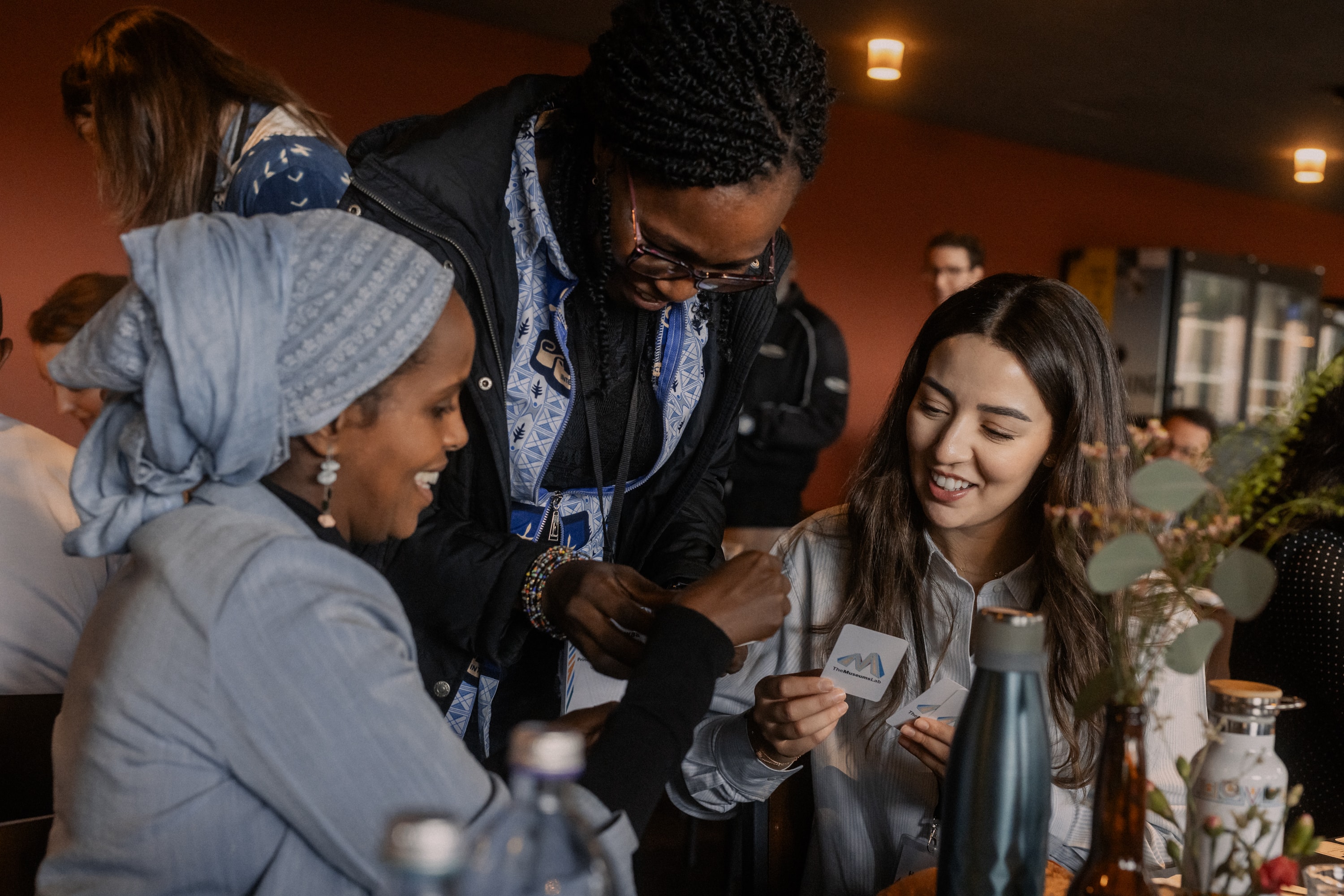
A Week in Many Voices: Fellows Reflect on Module 2
Six days, many encounters: In a series of short clips, Fellows look back on Module 2 in Berlin and share the moments, thoughts, and conversations that stayed with them.
Read more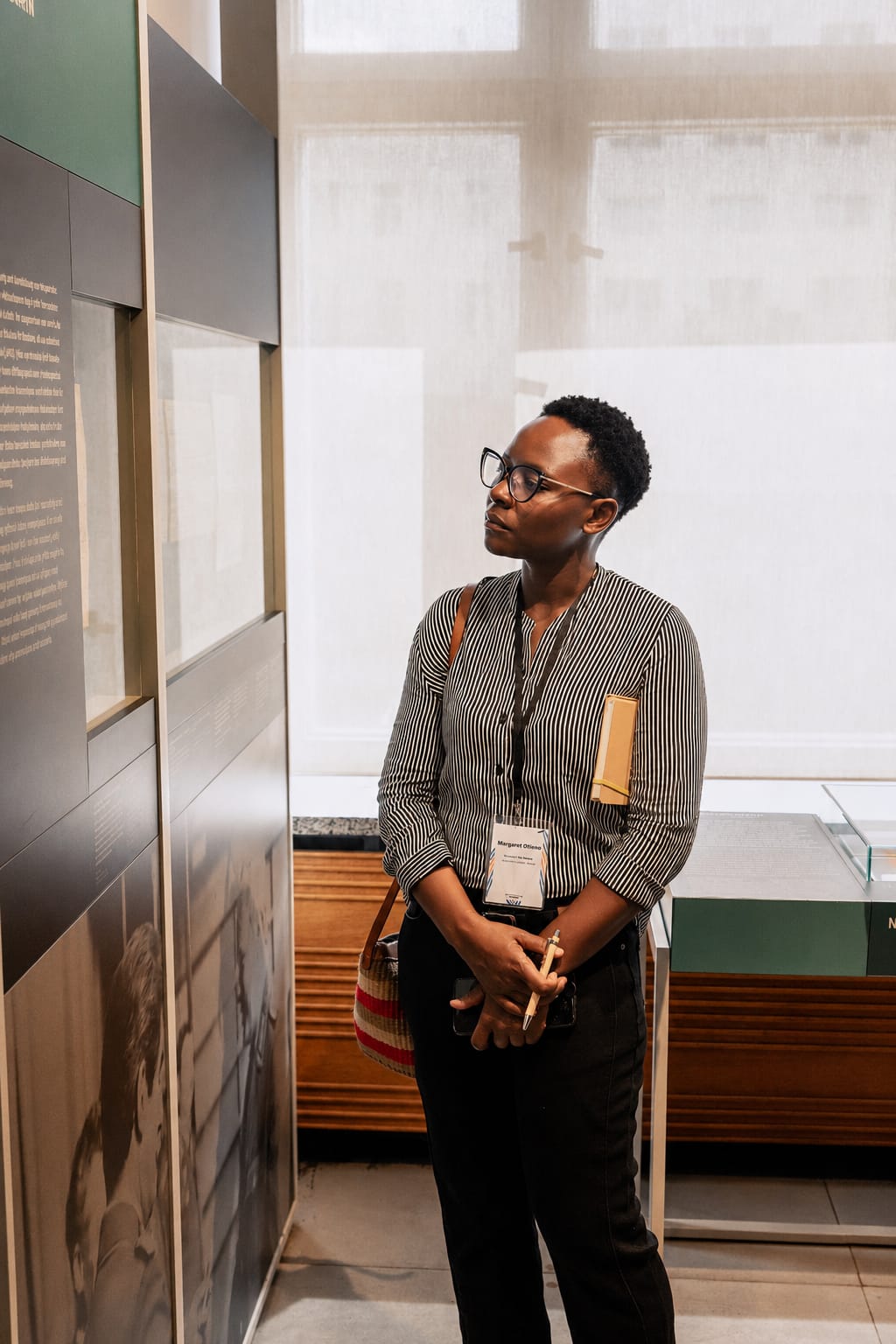
From Repositories to Relationships: Rethinking the Future of Museums
In her reflections on the first two Modules of TheMuseumsLab 2026, Fellow Margaret Otieno explores questions of memory, representation, community participation, and what it means to put communities at the centre of museum and heritage practice.
Read more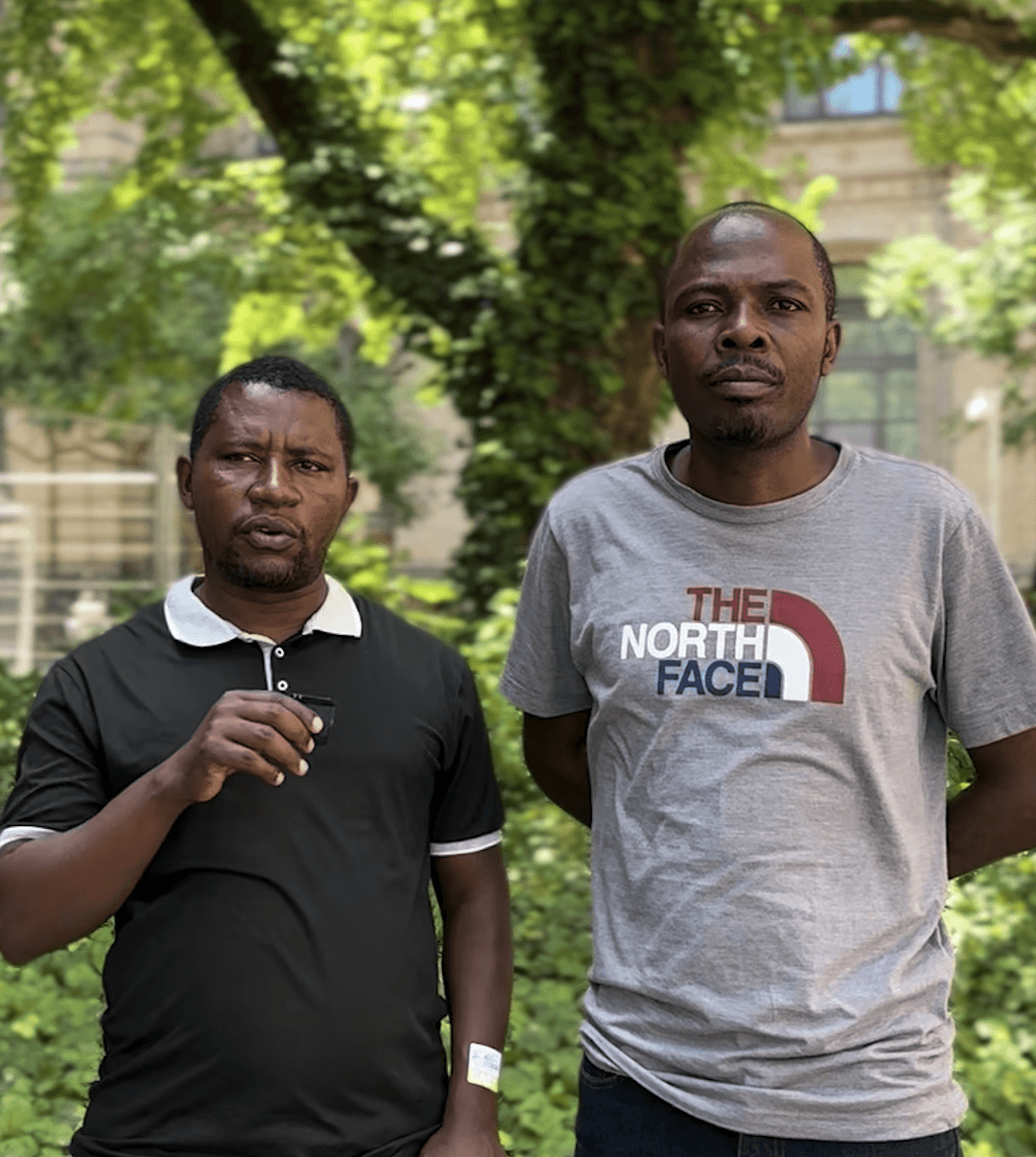
Module 3: A First Glimpse by the Co-Curators
As the Fellows prepare to reunite in Rwanda, the Module 3 Co-Curators offer a first glimpse of what lies ahead and what they hope the Fellows will take home from their week together.
Read more