Dolls of Good Hope | Alumni Project
Team
Blessings Walawala | Deputy Director for Conservation, Malawi
Chantal Umuhoza | Museum Curator, Rwanda
Jamie Dau | Provenance Researcher, Germany
Julie Rüter | Cultural Manager, Artist, Germany
Livingstone Muchefa | Curator, Zimbabwe
Lydia Nafula | Research Scientist, Kenya
Martha Kapalamula | Fundraising Coordinator, Malawi
Nampa Asino | Consultant, Namibia
Nermine Moustafa Ahmed | Senior Art Specialist, Egypt
Samuel Nobah | Curator, Ghana
Shadia Abdelwahab | Senior Curator, Sudan
Tshidy Ngoma | Curator / Multimedia Designer, Botswana
Zainab Shallangwa | Lecturer, Nigeria
About the Project
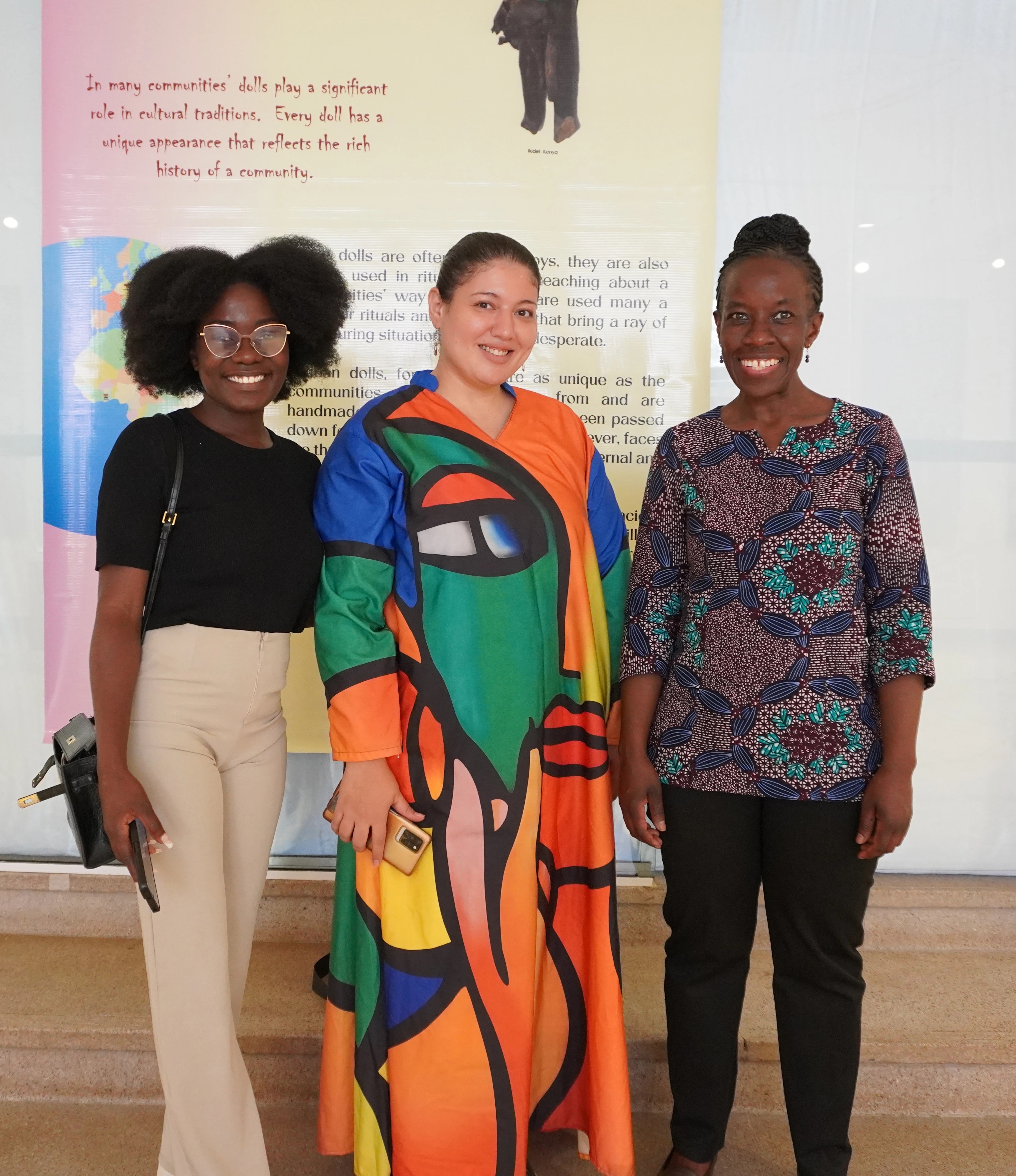
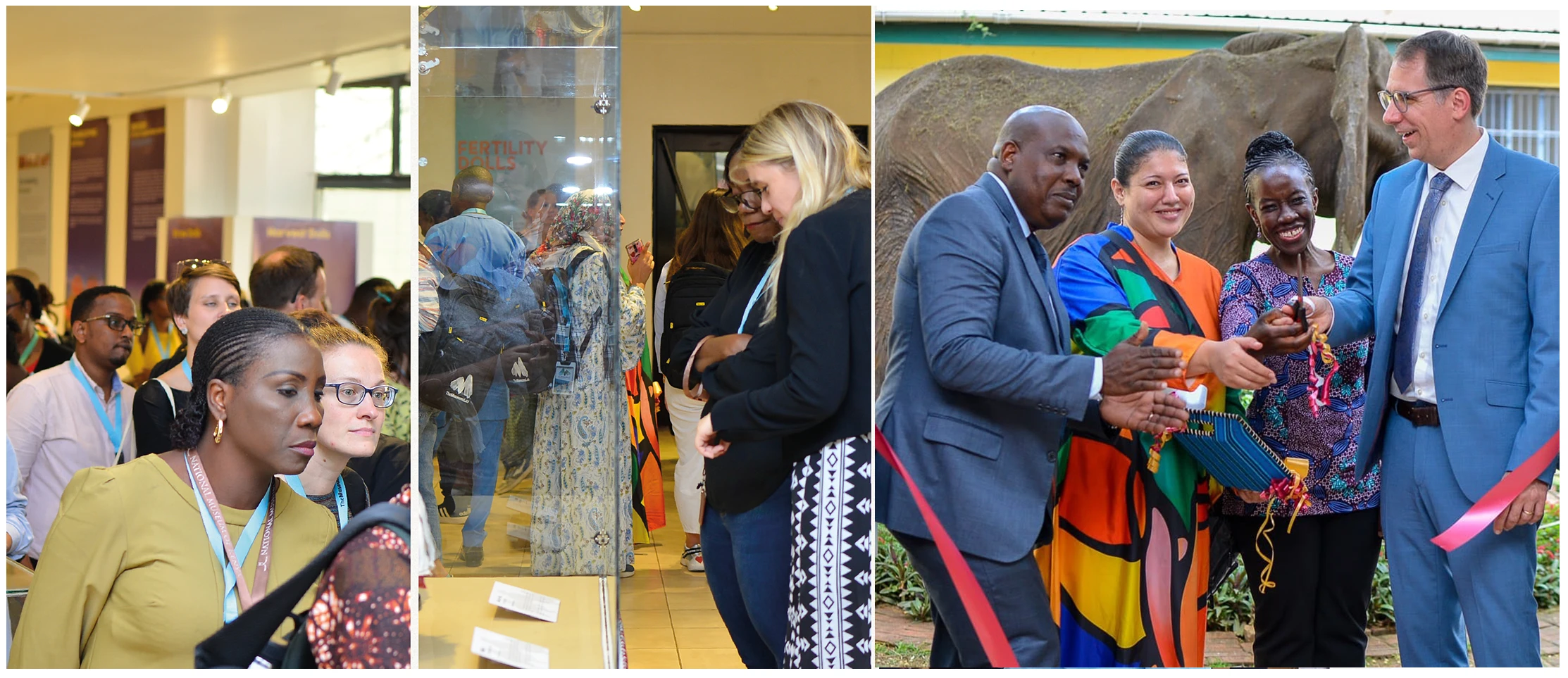
The idea for an exhibition on doll traditions was developed by Fellows of TheMuseumsLab 2022. In 2023, Dolls of Good Hope opened at Nairobi National Museum - with TheMuseumsLab 2024 Fellows among the invited guests. The exhibition highlighted the tradition of doll making as universal culture.
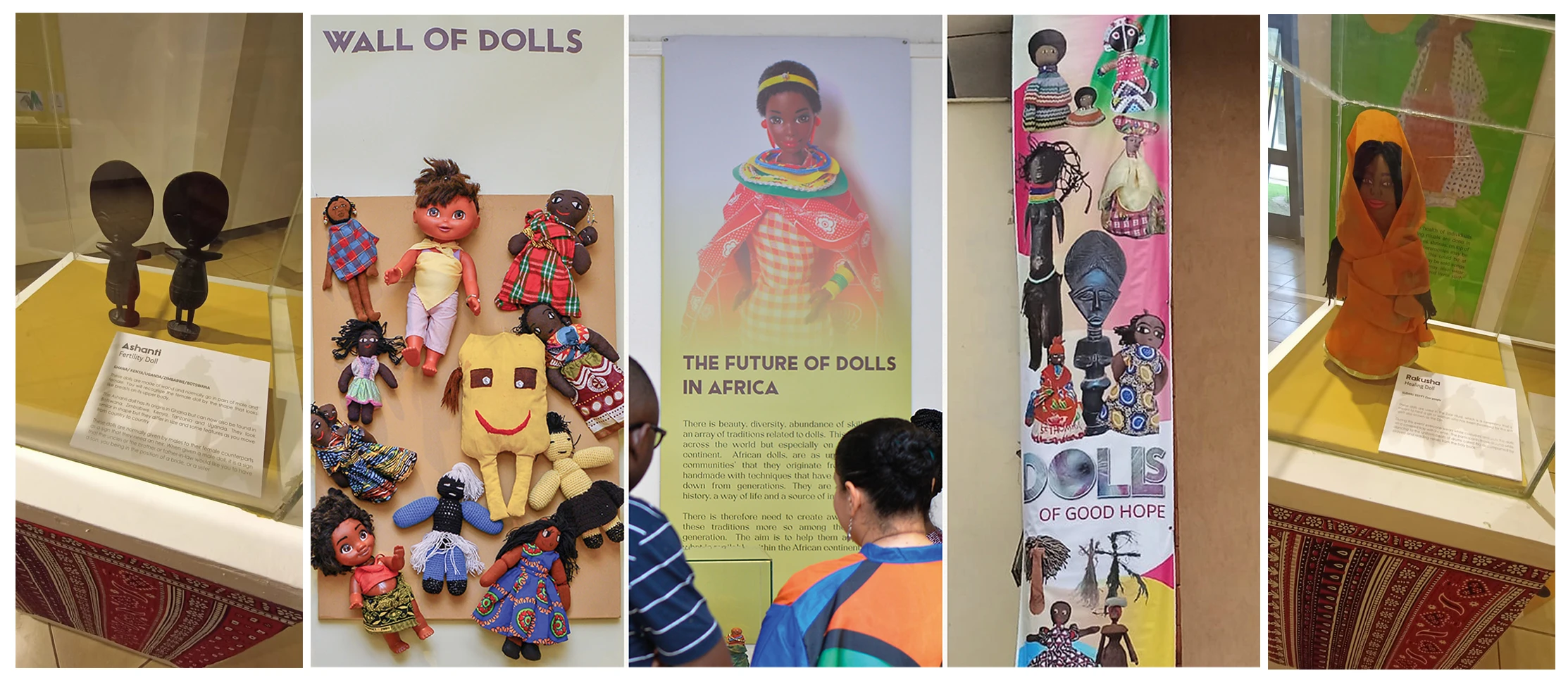
"For many dolls are just seen as toys but they also serve various ritual, religious and ceremonial functions and demonstrate a communities’ way of life. They are used in ceremonies that bring a ray of hope in situations that seemed desperate, such as those related to fertility, rainmaking, healing, remembrance and thanksgiving. They reflect the beauty, diversity and abundance of skills among the African people.
The exhibition includes dolls from West, East and Central, North and Southern Africa. There is also an overview of dolls from across the globe. The main message though is to encourage Africans not to neglect their rich culture of doll making, especially among the younger generation.“
Several groups received guided tours of the exhibition. An educational programme for children aged between 8 and 13 years was offered. The programme involved a guided tour of the Dolls of Good Hope exhibition as well as hands-on activities such as doll making and fashioning African dolly wear.
The exhibition was initially meant to run for two months but secured an extension for another two months and ran to the end of January 2024.
This project was funded by the Federal Ministry for Economic Cooperation and Development (BMZ) through the Goethe-Institut.