Reclaiming Ritual Knowledge Through Performance: Perspectives from Africa and the Diaspora
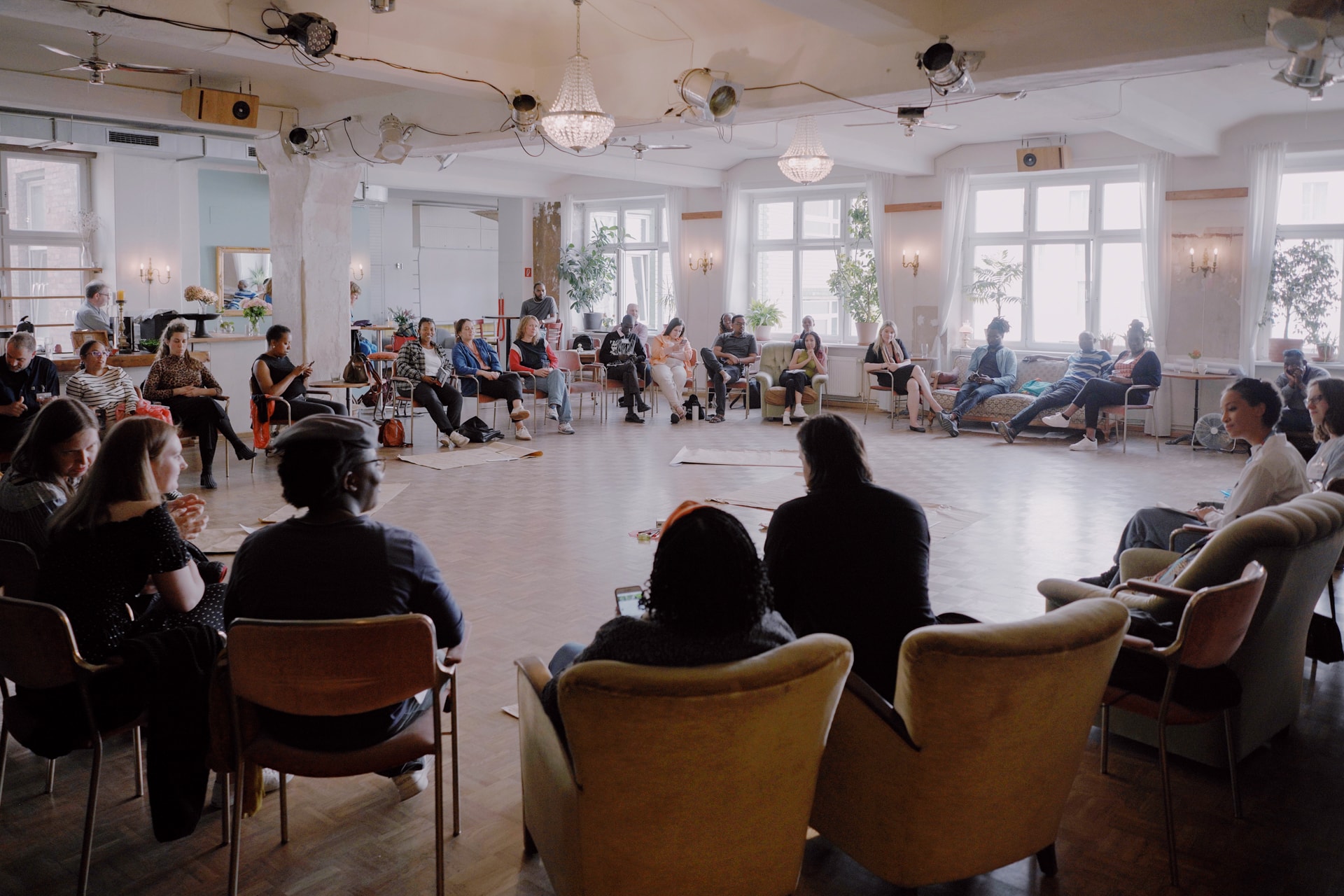
This project brings together partners in Zambia, Ghana, Germany and the UK to examine how spiritual and ritual belongings have been interpreted in museums shaped by missionary activity and wider religious change.
Many belongings were collected or documented through Christian influenced frameworks that separated ritual knowledge, healing practices and everyday spiritual life. This has left museums with interpretations that are often partial or disconnected from contemporary experience. The project responds by supporting artist residencies, research exchange and community dialogue in Lusaka, Mbala, Munich and London. Artists and researchers will work with collections in Zambia, the UK and Germany, supported by local practitioners and Ghanaian diaspora communities. Workshops in London and Lusaka will guide ethical approaches to sensitive material and explore how performance can support new interpretation. A public event in Lusaka will be filmed and screened internationally, and the project will also produce a practical toolkit for museums working with spiritual heritage.
Project Team
Alumni
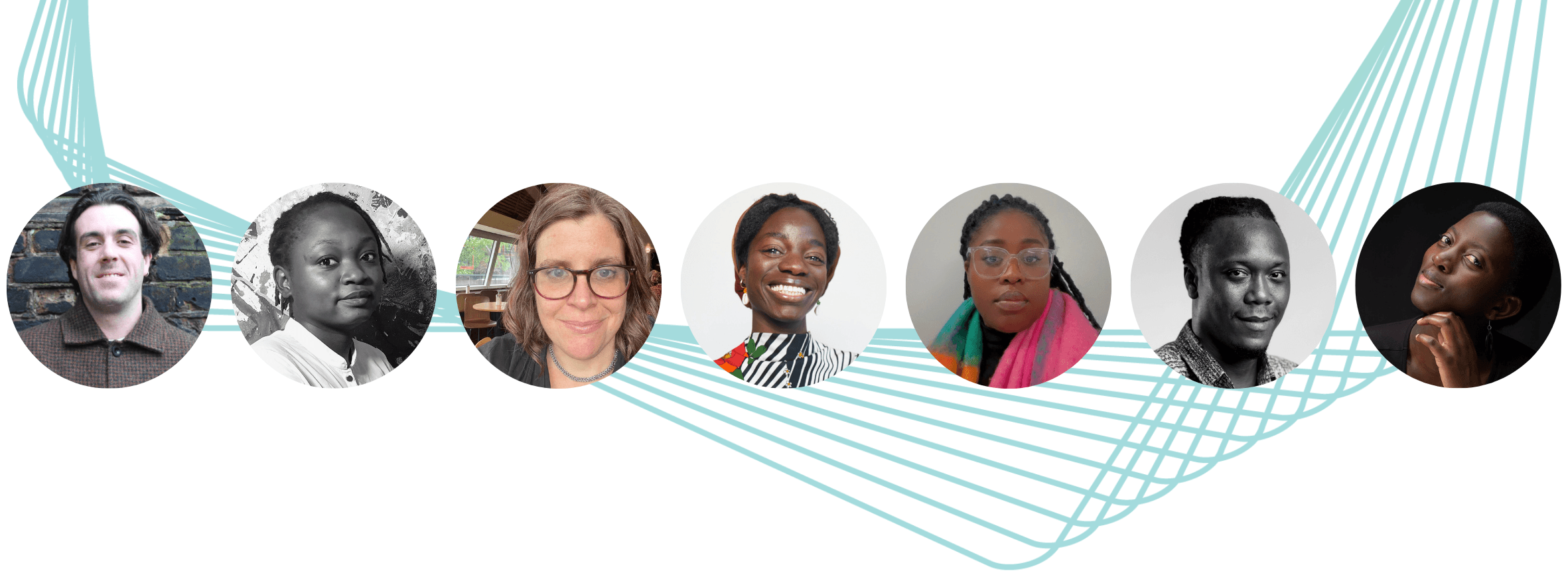
- Dr. Thomas Fearon | Project co-lead, budget holder, coordinating research, partnerships, ethical framework, workshops, overall delivery and reporting
- Ng’onga Silupya | Project co-lead, curator and lead in Zambia, coordinates artists and access to Moto Moto Museum Collections. Workshops, documentation and the public performance/event in Lusaka
- Dr. Nicola Stylianou | Project co-lead, coordinating research, partnerships, ethical framework, workshops, overall delivery and reporting
- Korantema Anyimadu | Institutional support, supports the UK residency, facilitates Ghanaian diaspora engagement and supports interpretation of Ghanaian collections and workshops
Cooperation Partners
- Theresa Nelson | Artist resident, works with Ghanaian collections, diaspora groups and museum teams to develop performance-led interpretation, contributes to public programming
- Dr. Sela Adjei | Artist resident, works with Ghanaian collections, diaspora groups and museum teams to develop performance-led interpretation, contributes to public programming
- Edith Chilliboy | Artist resident, works with Zambian collections, and museum teams to develop performance-led interpretation, contributes to public programming
Partner Museums and Involved Institutions
- Moto Moto Museum | Mbala, Zambia
- Horniman Museum & Gardens | London, United Kingdom
- UK Pitt Rivers Museum, University of Oxford | Oxford, United Kingdom
- Linden-Museum | Stuttgart, Germany
From Connection to Collaboration
This project has its roots firmly in the 2025 alumni networking event. Ng’onga approached Thomas and Nicola after this meeting in Berlin which appeared serendipitous but is actually a testament to the extraordinarily diverse range of people MLab brings together. Nicola has for a long time wanted to do a project with Moto Moto Museum (and has previously recommended them for inclusion in the MLab network) so when Ng’onga explained she wished to foreground Zambia’s Northern Province and the Moto Moto collection the connection was instant. Thomas reacted immediately to the religious angle and the three of us began thinking about how we could draw on our MLab and wider networks to make the project a reality. A shared interest in spiritual heritage in Zambia and the influence of Christianity immediately shaped the project. Tom brings anthropological expertise on Christianity, while Nicola offers historical grounding and lived knowledge of Zambia and Ng’onga expertise in contemporary art curation and knowledge of the Zambian art scene.
It is hard to see how we could have come together as a group without MLab. When thinking how best to approach our topic we turned first to our MLab colleagues. Noam (project support, currently employed at Museum Fünf Kontinente *tbd), Nicola and Korantema were TheMuseumsLab fellows in 2024, while Tom and Ng’onga joined the 2025 cohort. These overlapping trajectories have created a shared language and a sense of continuity between cohorts. Thomas and Korantema both completed placements at MARKK Hamburg where Noam was then based, this offered them the opportunity to really understand each other’s interest and to share practical experiences. It opened sustained conversations about working with spiritual material and the ethical demands of interpreting collections shaped by missionary encounters. Nicola is planning to contribute to Noam’s current MLab project with some co-authored material about the impact of Christianity in Northern Namibia. These exchanges meant we had a starting point for the intellectual direction of the project.
Rethinking Relationships provides another important set of links. Thomas, Nicola and Korantema work together on this project, developing approaches to access, co-curation, African heritage and community-centred interpretation with partners both in Africa and in the diaspora. MLab has offered them the opportunity to think carefully with other museum practitioners about these issues and to build on and enrich their existing work. Theresa contributes to this project through her arts practice-based PhD research on spirituality and healing in Ghanaian collections with the Horniman, strengthening both the academic and practical dimensions of the team. Korantema is one of her PhD supervisors The introduction of artist residents, Edith and Sela reflects the next stage in this network. Their involvement expands the partnership beyond existing institutional ties while building on trusted relationships between Ghana, Zambia, UK and Germany. The residencies strengthen the collaborative fabric of the group and create new creative and intellectual pathways within TheMuseumsLab community. We hope that if the project is successful, we can seek further funding and bring in more of our MLab colleagues to address this topic which resonates across the two continents.
The initiative TheMuseumsLab CollabFund is funded by the Kulturstiftung des Bundes (German Federal Cultural Foundation).
