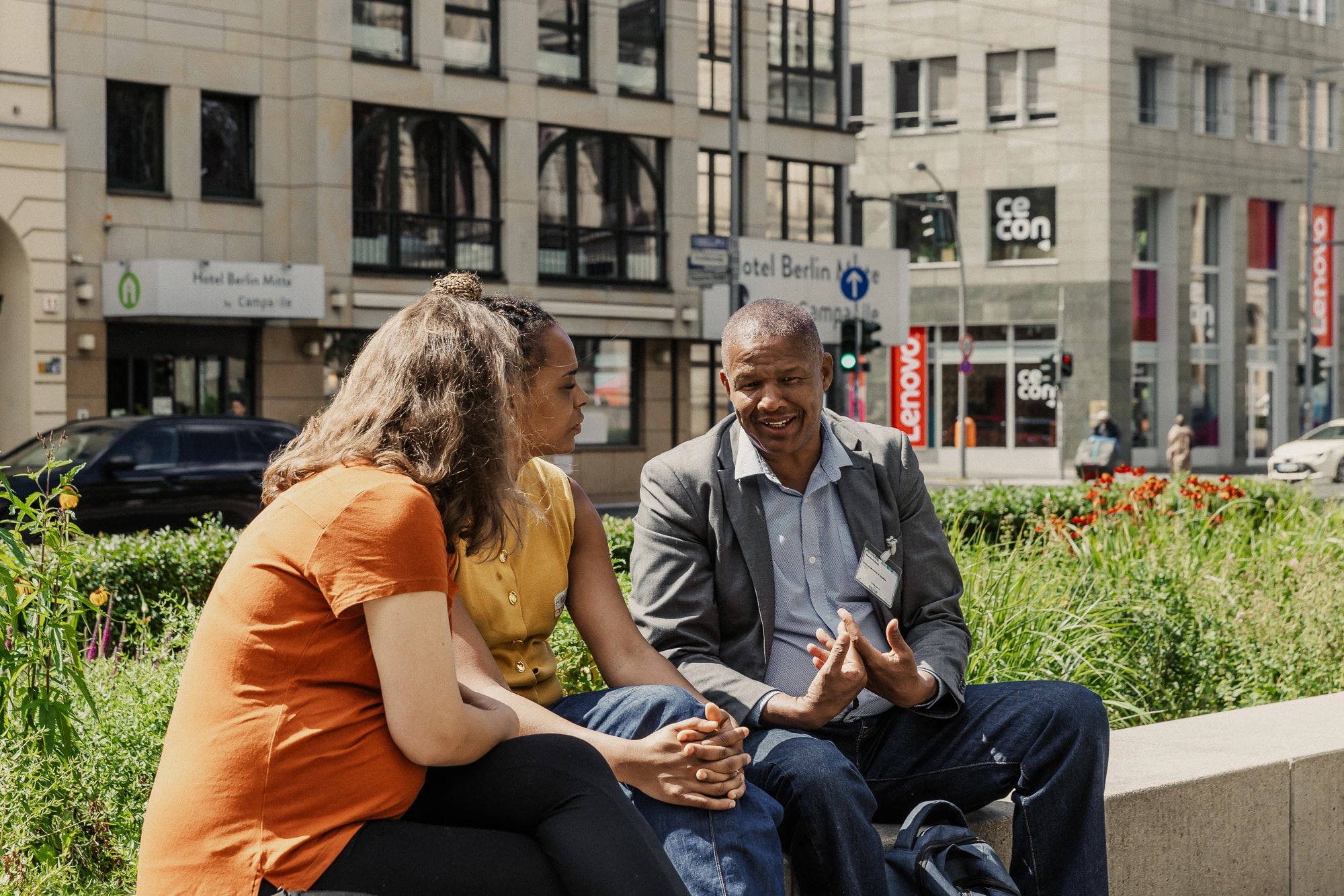
Partner museums are central to TheMuseumsLab. Some serve as Residency Museums, hosting fellows during the onsite modules in African and European cities. Each year, twenty-five institutions across Africa and Europe host pairs of fellows, offering them departmental insights and practical exposure.
Since its launch, TheMuseumsLab has built a network of more than fifty museums and cultural institutions. These span cities across both continents, from Cape Town, Addis Ababa, Lagos, and Kampala to Lisbon, Manchester, Stockholm, and Vienna. The network includes national museums, regional heritage institutions, art museums, natural history collections, ethnological museums, and technology-focused institutions, as well as university-affiliated museums.
Residency Partner Museums are chosen each year through a formal Call for Participation. Institutions submit applications outlining their institutional profile, hosting capacity, and proposed departments for exchange. From these applications, twenty-five institutions are selected to reflect diversity in geography, institutional size, and disciplinary focus. Successful applicants commit to hosting a tandem of fellows in line with TheMuseumsLab’s residency guidelines, providing a supportive and structured environment for mutual learning.
Any museum or cultural institution based in Africa or Europe may apply to become a partner in TheMuseumsLab. The programme welcomes a broad range of institutions, including national and regional museums, heritage centres, art and ethnological museums, natural history museums, technology museums, and university-affiliated collections. The key requirement is a strong commitment to mutual learning, collaboration, and openness to hosting fellows as part of a structured residency.
Partner museums benefit from joining a growing international network of more than fifty institutions across Africa and Europe. By hosting fellows, museums engage directly with early- and mid-career professionals who bring fresh perspectives, creativity, and diverse experiences from across both continents. Partner museums also become part of a high-profile cultural exchange initiative supported by leading institutions, enhancing their international visibility and long-term collaborations. Many partners also find that participation strengthens staff skills in intercultural dialogue, collaboration, and innovative museum practice.
Residency Partner Museums are expected to host a pair of fellows for approximately one week. During this time, museums introduce fellows to different departments, involve them in ongoing projects or activities, and create space for knowledge exchange. Museums are also asked to ensure that fellows feel welcomed and supported, both professionally and logistically, throughout their stay.
Yes. Partner museums are part of a much larger ecosystem that extends beyond the hosting of fellows. By joining TheMuseumsLab network, institutions gain access to a series of activities designed to strengthen collaboration, knowledge exchange, and long-term impact.
TheMuseumsLab CollabFund is a funding instrument that supports joint projects developed between Alumni and partner museums. It provides financial resources for collaborative initiatives that extend the learning and exchange of the programme into concrete outputs. Partner museums can apply together with Alumni to develop exhibitions, research projects, public programmes, or digital tools. The fund is designed to encourage sustainable collaborations that have lasting impact.
The Alumni Network connects former fellows across Africa and Europe, ensuring that the relationships built during the programme continue to grow. Partner museums gain access to this network and can engage alumni in collaborative projects, residencies, or events. In many cases, alumni act as bridges, bringing fresh perspectives and expertise back into institutions and sustaining professional exchange long after the formal fellowship has ended.
Yes. Partner museums are invited to exclusive networking events that allow them to meet peers, funders, and cultural leaders in more focused settings. These events often take place alongside the main programme modules or during special occasions such as anniversary celebrations or international cultural forums. They provide opportunities for institution-to-institution connections and for strategic dialogue about the future of museums in Africa and Europe.