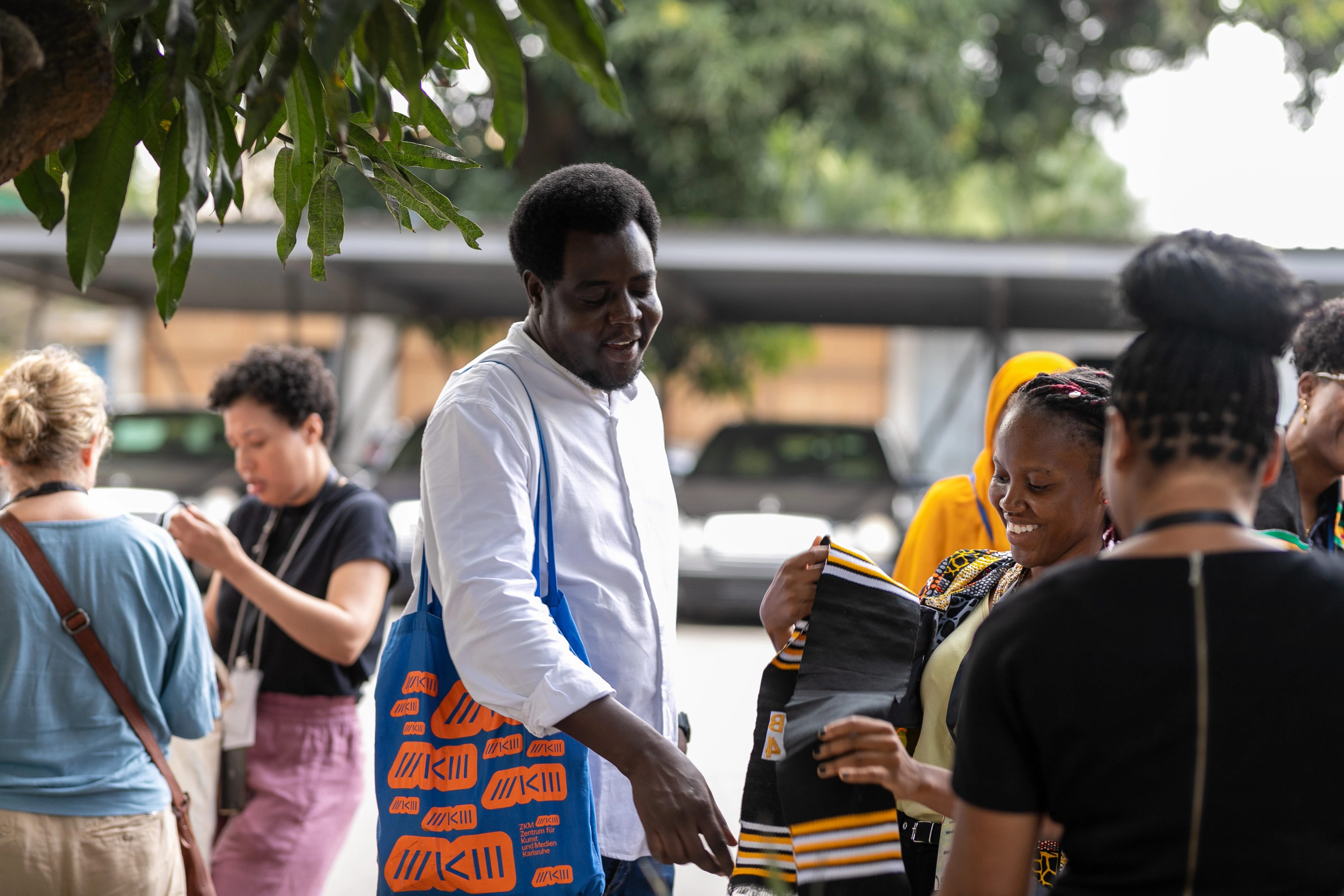
TheMuseumsLab combines interconnected initiatives that foster professional development, sustainable partnerships, and institutional transformation across African and European museums and heritage spaces. TheMuseumsLab is grounded in two core commitments: a joint-learning approach that enables open exchange, critical reflection, and co-creation across disciplinary, geographic, and institutional boundaries; and fostering professional growth through new transcontinental career opportunities for museum professionals. Together, these pillars lay the groundwork for sustainable, systemic change. The programme brings together leading professionals from museums, heritage spaces, academia, and public leadership with emerging talents, all committed to rethinking the role of museums in society. At the centre of TheMuseumsLab work lies the Fellowship Programme, complemented by a range of formats dedicated to empowering the next generation of cultural leaders. TheMuseumsLab is driven by the belief that equitable and dynamic cultural landscapes can only emerge when knowledge, experience, and imagination are placed in sustained dialogue. It is a space for learning and unlearning, for building partnerships rooted in mutual respect, and for imagining museums as inclusive, socially engaged institutions.
Applicants must be professionals working in museums, galleries, heritage sites, or other cultural institutions based in Africa or Europe. To be eligible, applicants should have profound practical experience of at least 2 years in a museum, heritage site or art space, relating to themes such as Archaeology, Architecture, Art, Cultural History, Natural Sciences and Technology and significant interest in the yearly thematic focus. Candidates are expected to demonstrate high motivation and commit to full participation, including engagement with fellow participants, speakers, and lecturers, as well as delivering presentations and contributing to co-creation activities. Active involvement in all programme components is essential. Applicants should also possess strong interpersonal and leadership qualities, such as creativity, resilience, self-reflection, collaborative communication, adaptability, and a commitment to ethical, transformative roles in museums. Proficiency in English, both written and spoken, is required to participate actively in the programme. A binding commitment to participate in all components of TheMuseumsLab is a prerequisite for selection. Upon acceptance, a letter of consent and approved training leave from the employer may be requested.
The programme consists of three main components: an initial phase of online learning, an onsite module in Germany, and a second onsite module in an African country (previoously in South Africa, Kenya, Ghana, Ethiopia). Fellows also take part in a one-week residency hosted by a partner museum. The Fellowship programme includes lectures, workshops, case studies, site visits, and group discussions focused on a specific annual theme such as colonialism, restitution, leadership, decolonization, or digital innovation in museums.
TheMuseumsLab covers most of the costs associated with participation. This generally includes international travel, in-country transportation, accommodation, visa fees, a daily allowance, and basic health insurance during the programme’s onsite phases. However, participants may need to cover some personal or incidental expenses.
Participants must:
Commit fully to all programme activities, Provide a letter of consent and approved leave from their employer upon selection, Engage in peer exchange, workshops, and evaluation processes, Demonstrate interpersonal and leadership skills such as creativity, resilience, self-reflection, collaborative communication, adaptability, and a drive for ethical transformational roles in museums.
Interested candidates must apply through the official DAAD (German Academic Exchange Service) online application portal. A complete application typically includes a completed TheMuseumsLab-specific application form, a curriculum vitae in English (usually no more than two pages), and a professional letter of recommendation. Additional documents such as academic degrees or project portfolios may also be submitted. All application materials must be uploaded in PDF format. Submissions via email are not accepted. The call for applications is usually published in the final quarter of the year (October to December). The exact dates may vary from year to year, kindly keep an eye out for the Call for Fellows via this website and our Social Media Channels.
Fellows gain: Multidisciplinary insights into topics such as decolonization, digitisation, provenance research, and colonial legacies, Hands-on workshops and practical learning formats, Professional residencies in partner museums, Certificates issued by DAAD, MfN, and partner institutions, Membership in a growing Alumni Network, Extensive networking with international experts and peers.
2024: “Reimagining Museums of the Future” and “On Difficult Conversations,” with onsite modules in Berlin and Accra.
2025: “Colonialism and Resistance,” with programme locations in Berlin and Addis Ababa.
2026 will be dedicated to: "Building Futures from Memory: Museums and Memorial Sites as Agents" - with programme locations in Berlin and Kigali.