Ensuring Proper Interpretation of Gule Wamkulu Masks in European Museums
The Gule Wamkulu, a sacred masked dance of the Chewa people, embodies ancestral spirits and moral teachings, yet in many European collections these masks are displayed as mere art objects, stripped of their cultural meaning.
This project seeks to ensure the proper interpretation of Gule Wamkulu masks in European museums. By engaging Chewa elders, Malawian heritage institutions, and European curators, the project will provide authentic narratives, redesign exhibition materials, and develop educational programs that respect the masks’ ritual significance. Outcomes will include more culturally accurate displays, improved visitor understanding, and stronger partnerships between Malawi and European museums. Ultimately, the initiative will serve as a model for interpreting African ritual objects globally, aligning with UNESCO’s mission to safeguard intangible cultural heritage.
Project Team
Alumni
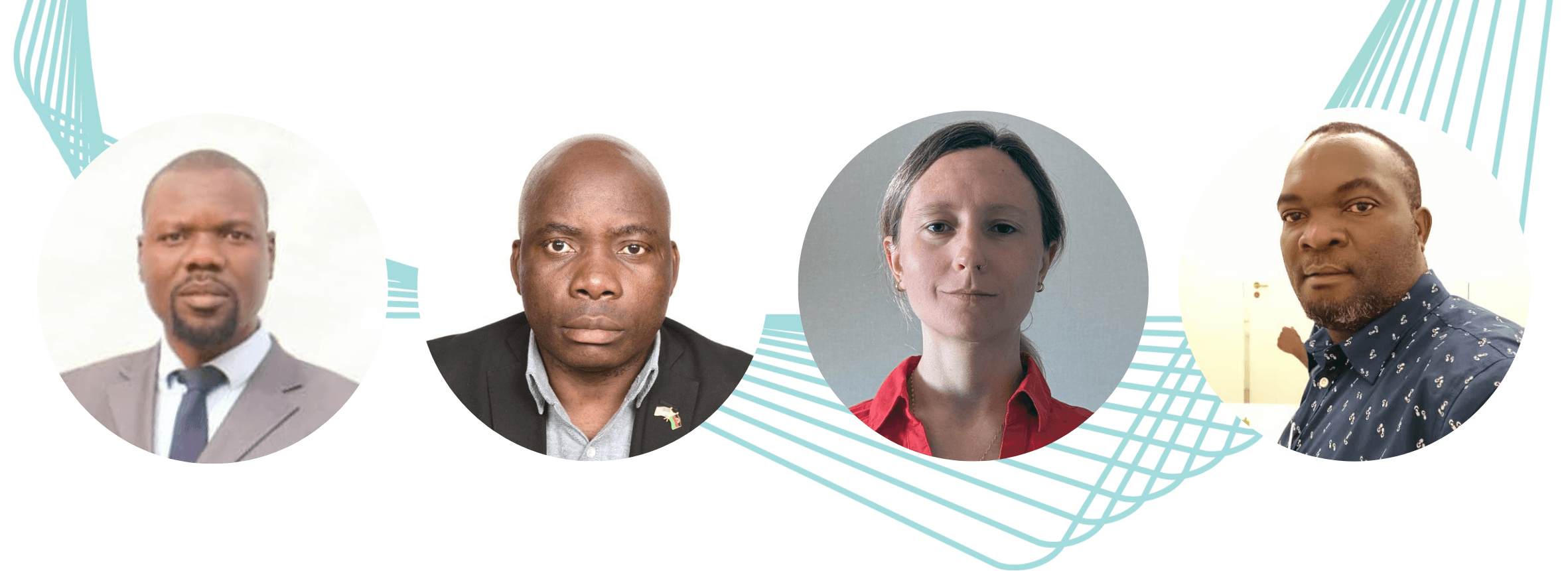
- Aaron Khombe | Project lead, researcher, curator
- Blessings M. Walawala | Coordinator, liaison officer, facilitator
- Yulia Fil | Researcher, facilitator, educator, communication with European stakeholders
- Oris Malijani | Researcher, facilitator, communication with local stakeholders
Partner Museums and Involved Institutions
- The Department of Museums and Monuments | Lilongwe, Malawi
- Chewa Heritage Foundation | Lilongwe, Malawi
From Connection to Collaboration
Our collaboration is a direct outcome of the relationships, intellectual exchanges, and shared commitments cultivated through TheMuseumsLab fellowship. The project emerged from a collective recognition that Gule Wamkulu, an ICH practice recognised by UNESCO, continues to be misinterpreted, decontextualised or inadequately represented in collections. As alumni of different cohorts, we saw an opportunity to bring together our diverse expertise to address this challenge through collaborative, cross-continental approach rooted in TheMuseumsLab ethos. The initial point of contact occurred during the 2025 fellowship, when I met Yulia, a fellow participant from Ukraine with deep interest in masking traditions. Our week – long residency at Manchester Museum provided meaningful space for dialogue. These conversations sparked the idea of a collaborative project that would bridge this gap. Our relationship deepened through continued exchanges, joint reflections on museum interpretation and a shared desire to develop a project that honours the values of TheMuseumsLab: co-creation, mutual learning and equitable knowledge exchange. As the concept matured, I invited two additional collaborators Walawala (MLab 2022) and Malijani (MLab 2023) both colleagues at the Department of Museums and Monuments in Malawi. Their expertise in cultural heritage management, community engagement and the safeguarding of ICH strengthened the team and ensured that the project would be grounded in authentic Malawian perspectives. Our project directly reflects the themes explored during TheMuseumsLab fellowship, including: Decolonial museum practice; Cross-continental collaboration; Community-centred interpretation; and Ethical representation and cultural sensitivity. This project is, therefore, not only inspired by TheMuseumsLab, it is a continuation of its mission.
The initiative TheMuseumsLab CollabFund is funded by the Kulturstiftung des Bundes (German Federal Cultural Foundation).
